In the realm of trucking, the implications of neglecting preventive maintenance can be catastrophic. Recent investigations in Ontario have revealed shocking instances of unsafe equipment operating with unethically obtained safety inspection decals, raising grave concerns about compliance and public safety.
A staggering 55% of trucks involved in serious crashes were reported to have mechanical violations, while trucks with defects face a 200% increased risk of being involved in collisions. These alarming statistics serve as a reminder that without regular, thorough inspections, the dangers associated with malfunctioning equipment become all too real.
It’s not merely about regulatory compliance; it is about ensuring the safety of everyone on the road. As discussions surrounding maintenance and inspection practices heat up, the question remains: how many more incidents will it take before the industry prioritizes preventive measures to protect lives?

The Risks of Operating Unsafe Equipment
Operating unsafe equipment poses substantial risks not just for operators, but for the community at large. In Ontario’s trucking industry, the consequences of such negligence can be grave, resulting in severe accidents, hefty fines, and increased operational costs.
Legal and Financial Ramifications
Legally, operators face significant penalties for equipment violations. For example, operating with an improper braking system can incur a fine of $490, while using improper tires may lead to a $240 fine. Beyond these direct penalties, failing to maintain proper daily inspection reports can result in an $85 fine. Such financial repercussions can quickly accumulate, creating a scenario where maintaining compliance becomes increasingly burdensome.
Insurance Costs and Downtime
From a financial perspective, unplanned downtime caused by equipment failures is a major concern. In trucking, a single day of unexpected breakdown can lead to losses ranging from $800 to $1,500, depending on cargo type and freight rates. Beyond immediate loss, there are secondary costs, such as towing fees and emergency repairs, coupled with the potential loss of customer trust and ongoing business relations. Ensuring equipment is in safe working order is a foundational practice that ultimately protects a company’s long-term viability.
Safety Hazards and Collisions
The safety statistics further underscore the urgent need for preventive maintenance. Between 2008 and 2017, commercial vehicles in Ontario were involved in over 182,000 collisions, leading to a tragic 1,180 fatalities. Safety inspections are vital; however, data reveals a troubling decline in compliance. Over approximately four years, the number of inspections dropped from 113,000 to 89,000, resulting in as many as 10,000 unsafe vehicles operating on the roads. This alarming trend poses serious risks for both drivers and the general public, creating a landscape where a culture of negligence can thrive.
Implications for Community Safety
The ramifications of operating unsafe equipment extend beyond individual operators and companies; they ripple across the community. Increased collisions not only endanger lives but also result in greater burdens on emergency services and healthcare systems. The social costs of truck collisions from 2011 to 2015 in Ontario were estimated at $2 billion, encompassing property damage and health impacts. This pervasive threat necessitates a collective effort to prioritize safety and compliance, ensuring that both operators and the public are empowered and protected.
In conclusion, the stakes are far too high to overlook safety inspections and maintenance. The continuing discussions around regulations and practices highlight the need for accountability in preventing unsafe equipment operation in Ontario’s trucking industry.
Summary of Safety Inspection Costs
Annual safety inspections are a crucial aspect of trucking operations, aimed at ensuring vehicles are safe, compliant, and functioning correctly. In Toronto, the costs associated with these inspections vary based on the type of vehicle:
- Tractors: The inspection costs range from $800 to $1,000.
- Trailers: The costs for trailer inspections range from $500 to $650.
While these costs may seem significant, they are a small price to pay compared to the potential expenses associated with accidents resulting from equipment failures. Regular inspections help to identify mechanical issues before they become serious problems, which not only enhances road safety but also helps trucking companies avoid costly fines and legal repercussions associated with the operation of unsafe vehicles.
The importance of annual safety inspections cannot be overstated. They function as a preventive measure, aiming for the overall safety of drivers, other road users, and the broader community. By investing in these inspections, operators not only comply with regulations but also foster a culture of safety that prioritizes the health of their fleet and the public. Regular maintenance and inspections serve as the foundation for sustainable trucking operations, ultimately contributing to the longevity and reliability of the vehicles on the road.
Comparison of Safety Inspection Costs
| Equipment Type | Average Inspection Cost (Toronto) | Notes |
|---|---|---|
| Tractors | $800 – $1,000 | Costs may vary depending on vehicle condition and inspection provider. |
| Trailers | $500 – $650 | Additional fees may apply for specialized inspections. |
| Heavy Equipment | Varies considerably | Requires specialized inspection services. |
| Light Vehicles | $150 – $300 | Costs depend on the type and age of the vehicle. |
| Commercial Trucks | $700 – $1,200 | Pricing can be affected by the vehicle’s size and weight class. |
This table offers a comparative look at inspection costs associated with various types of equipment, providing readers a clearer understanding of the financial implications tied to safety inspections. The cited ranges indicate the variability of costs based on specific factors, which is essential for budgeting and operational planning.
FMCSA Vehicle Out-of-Service Rates
The Federal Motor Carrier Safety Administration (FMCSA) reports that the national average vehicle out-of-service (OOS) rate is approximately 21%. In stark contrast, Vista Trans Holding has a troubling OOS rate of 28%, emphasizing the need for preventive maintenance and compliance with safety protocols. This significant disparity raises serious concerns regarding the company’s commitment to vehicle safety and highlights the prevalence of unsafe equipment within the industry.
High OOS rates can lead to various negative consequences, including increased accidents, public scrutiny, and potential regulatory penalties, not only for Vista Trans Holding but for the entire trucking sector. When a fleet consistently reports out-of-service rates exceeding the national average, it signals systemic issues related to equipment maintenance and inspection protocols.
Furthermore, such alarming rates may reflect an underlying culture that inadequately prioritizes safety among operators and management. For Vista Trans Holding, enhancing compliance with FMCSA regulations is critical to mitigating these risks. This can involve adopting advanced preventive maintenance practices, intensifying employee training on safety protocols, and leveraging technology to facilitate regular inspections.
Addressing and improving these out-of-service rates can not only bolster Vista Trans Holding’s operational credibility but also contribute positively to raising the overall safety standards within the trucking industry. The necessity for thorough inspections cannot be overstated; they are vital in ensuring the safety of everyone on the road and maintaining the integrity of the transportation sector.
Conclusion
In closing, the necessity of compliance with safety inspections and preventive maintenance in the trucking industry cannot be overstated. The alarming statistics regarding vehicle collisions and the prevalence of unsafe equipment underscore the urgent need for industry stakeholders to prioritize safety measures. Every day that unsafe equipment is allowed to operate increases the risk of catastrophic incidents, not only jeopardizing the lives of drivers but also putting the broader community at risk.
Trucking companies must take a committed stance towards regulatory compliance. This involves adopting rigorous inspection protocols, investing in regular maintenance, and fostering a culture that values safety above all else. The costs associated with these inspections are significantly lower than the financial and human costs associated with accidents due to mechanical failures. By championing compliance, industry players can not only avoid fines and legal troubles but also contribute to the overall safety of our roads.
The path towards better safety standards lies within collective responsibility. We must advocate for ethical and responsible practices within the industry, ensuring that safety is not merely an afterthought but a foundational element of operations. Each stakeholder has a part to play in this crucial mission, and the time to act is now. Let’s come together to ensure that our roads are safe for all by committing to regular inspections, preventive maintenance, and the rigorous enforcement of safety regulations.
Perspectives from Industry Stakeholders on Compliance
In discussions regarding safety inspections and their critical role in the trucking industry, industry stakeholders have reiterated the necessity of rigorous compliance. According to James Menzies, a noted figure in transportation journalism, the alarming rise in mechanical failures highlights a pressing issue:
“Without regular safety inspections, we are setting the stage for unnecessary accidents. The increase in wheel separations this year reminds us that negligence can lead to fatal outcomes, and compliance cannot be overlooked.”
Oleksandr Popovych, representing Vista Trans Holding, weighs in on the ethical considerations surrounding safety inspections:
“In our business, we cannot afford to cut corners. The integrity of our safety inspection processes is essential not only for compliance but also for protecting lives on the road. We must uphold the highest standards to ensure all operational equipment is safe.”
Furthermore, Tanya Popovych emphasizes the collaborative effort required within the industry:
“Safety is a collective responsibility. It goes beyond regulations; it requires a culture that prioritizes diligent maintenance and thorough inspections. We cannot allow unsafe vehicles to jeopardize public safety.”
These insights underscore the vital importance of compliance in safety inspections, revealing the broader implications for the trucking industry and public safety at large.
The Future of DriveON Implementation
The DriveON program, introduced by Ontario’s Ministry of Transportation, aims to modernize vehicle safety and emissions inspections by integrating them into a unified digital system. This initiative is designed to enhance road safety and reduce fraudulent practices within the trucking industry.
Enhanced Safety and Compliance
DriveON mandates that mechanics upload supporting documentation and photographs during inspections, increasing oversight and accountability. This digital approach is expected to eliminate fraudulent safety stickers and improve the integrity of vehicle inspections. According to a representative from the Ministry, “The introduction of DriveON is a pivotal step toward creating a transparent inspection process that reinforces public trust in vehicle safety standards.”
Streamlined Inspection Processes
The transition to digital inspections allows for more efficient processes, enabling quicker turnaround times and reducing the potential for errors. Mechanics can access inspection data in real time, leading to improved communication and coordination among inspection stations. As noted by industry stakeholders, “Real-time data access will revolutionize how inspections are conducted, allowing for immediate corrections and better overall safety metrics.”
Challenges in Fraud Prevention
Despite its objectives, concerns have been raised about the program’s effectiveness in preventing fraud. Instances have been reported where vehicles received passing inspection stickers despite significant safety defects, suggesting that fraudulent activities persist. Additionally, unauthorized sale of inspection stickers has been observed, indicating that further enforcement measures may be necessary. An industry expert commented, “While DriveON has potential, vigilance is required to ensure compliance and address loopholes that could invite fraud.”
Industry Response and Enforcement Efforts
The Ontario Trucking Association (OTA) has been actively involved in supporting the implementation of DriveON. An ad-hoc committee has been meeting regularly to assist with the program’s operationalization, emphasizing the importance of industry participation to ensure compliance and safety. OTA representatives have expressed, “By actively engaging in DriveON’s rollout, we ensure that the trucking community contributes to a safer and more reliable industry.”
In summary, while the DriveON program has introduced significant advancements in digitalizing and streamlining vehicle inspections to enhance safety and reduce fraud, ongoing challenges highlight the need for continuous monitoring and enforcement to achieve its intended outcomes fully.
Introduction
In the realm of trucking, the implications of neglecting preventive maintenance can be catastrophic. Recent investigations in Ontario have revealed shocking instances of unsafe equipment operating with unethically obtained safety inspection decals, raising grave concerns about compliance and public safety. A staggering 55% of trucks involved in serious crashes were reported to have mechanical violations, while trucks with defects face a 200% increased risk of being involved in collisions. These alarming statistics serve as a reminder that without regular, thorough inspections, the dangers associated with malfunctioning equipment become all too real. It’s not merely about regulatory compliance; it is about ensuring the safety of everyone on the road. As discussions surrounding maintenance and inspection practices heat up, the question remains: how many more incidents will it take before the industry prioritizes preventive measures to protect lives?
The Risks of Operating Unsafe Equipment
Operating unsafe equipment poses substantial risks not just for operators but for the community at large. In Ontario’s trucking industry, the consequences of such negligence can be grave, resulting in severe accidents, hefty fines, and increased operational costs.
Legal and Financial Ramifications
Legally, operators face significant penalties for equipment violations. For example, operating with an improper braking system can incur a fine of $490, while using improper tires may lead to a $240 fine. Beyond these direct penalties, failing to maintain proper daily inspection reports can result in an $85 fine. Such financial repercussions can quickly accumulate, creating a scenario where maintaining compliance becomes increasingly burdensome.
Insurance Costs and Downtime
From a financial perspective, unplanned downtime caused by equipment failures is a major concern. In trucking, a single day of unexpected breakdown can lead to losses ranging from $800 to $1,500, depending on cargo type and freight rates. Beyond immediate loss, there are secondary costs, such as towing fees and emergency repairs, coupled with the potential loss of customer trust and ongoing business relations. Ensuring equipment is in safe working order is a foundational practice that ultimately protects a company’s long-term viability.
Safety Hazards and Collisions
The safety statistics further underscore the urgent need for preventive maintenance. Between 2008 and 2017, commercial vehicles in Ontario were involved in over 182,000 collisions, leading to a tragic 1,180 fatalities. Safety inspections are vital; however, data reveals a troubling decline in compliance. Over approximately four years, the number of inspections dropped from 113,000 to 89,000, resulting in as many as 10,000 unsafe vehicles operating on the roads. This alarming trend poses serious risks for both drivers and the general public, creating a landscape where a culture of negligence can thrive.
Implications for Community Safety
The ramifications of operating unsafe equipment extend beyond individual operators and companies; they ripple across the community. Increased collisions not only endanger lives but also result in greater burdens on emergency services and healthcare systems. The social costs of truck collisions from 2011 to 2015 in Ontario were estimated at $2 billion, encompassing property damage and health impacts. This pervasive threat necessitates a collective effort to prioritize safety and compliance, ensuring that both operators and the public are empowered and protected.
In conclusion, the stakes are far too high to overlook safety inspections and maintenance. The continuing discussions around regulations and practices highlight the need for accountability in preventing unsafe equipment operation in Ontario’s trucking industry.
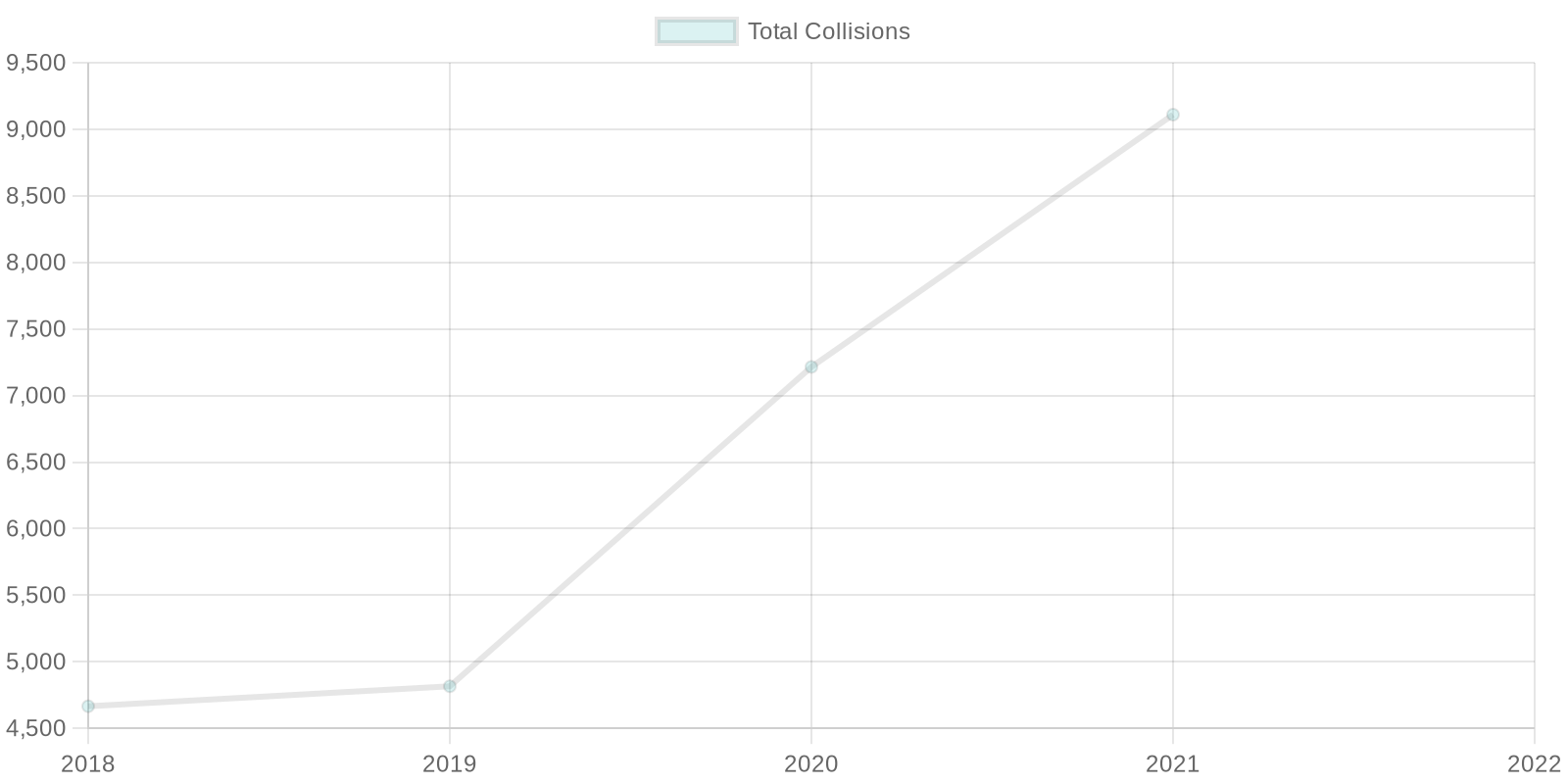
Collision Statistics
Here is a graph illustrating the collision statistics involving commercial vehicles in Ontario from 2018 to 2022:
Summary of Safety Inspection Costs
Annual safety inspections are a crucial aspect of trucking operations, aimed at ensuring vehicles are safe, compliant, and functioning correctly. In Toronto, the costs associated with these inspections vary based on the type of vehicle:
- Tractors: The inspection costs range from $800 to $1,000.
- Trailers: The costs for trailer inspections range from $500 to $650.
While these costs may seem significant, they are a small price to pay compared to the potential expenses associated with accidents resulting from equipment failures. Regular inspections help to identify mechanical issues before they become serious problems, which not only enhances road safety but also helps trucking companies avoid costly fines and legal repercussions associated with the operation of unsafe vehicles.
The importance of annual safety inspections cannot be overstated. They function as a preventive measure, aiming for the overall safety of drivers, other road users, and the broader community. By investing in these inspections, operators not only comply with regulations but also foster a culture of safety that prioritizes the health of their fleet and the public. Regular maintenance and inspections serve as the foundation for sustainable trucking operations, ultimately contributing to the longevity and reliability of the vehicles on the road.
Comparison of Safety Inspection Costs
| Equipment Type | Average Inspection Cost (Toronto) | Notes |
|---|---|---|
| Tractors | $800 – $1,000 | Costs may vary depending on vehicle condition and inspection provider. |
| Trailers | $500 – $650 | Additional fees may apply for specialized inspections. |
| Heavy Equipment | Varies considerably | Requires specialized inspection services. |
| Light Vehicles | $150 – $300 | Costs depend on the type and age of the vehicle. |
| Commercial Trucks | $700 – $1,200 | Pricing can be affected by the vehicle’s size and weight class. |
This table offers a comparative look at inspection costs associated with various types of equipment, providing readers a clearer understanding of the financial implications tied to safety inspections. The cited ranges indicate the variability of costs based on specific factors, which is essential for budgeting and operational planning.
FMCSA Vehicle Out-of-Service Rates
The Federal Motor Carrier Safety Administration (FMCSA) reports that the national average vehicle out-of-service (OOS) rate is approximately 21%. In stark contrast, Vista Trans Holding has a troubling OOS rate of 28%. This significant disparity raises serious concerns regarding the company’s commitment to vehicle safety and highlights the prevalence of unsafe equipment within the industry.
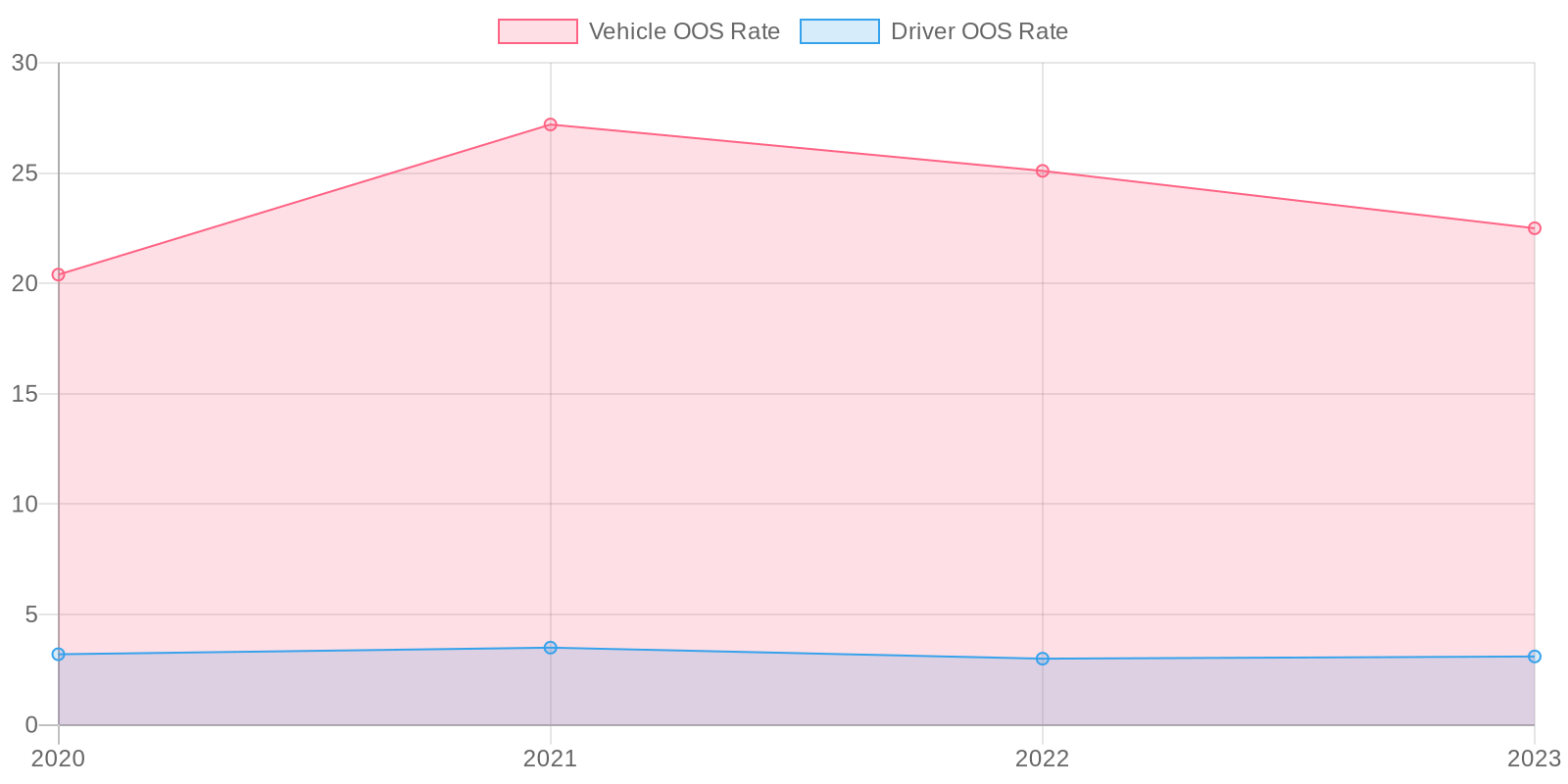
High OOS rates can lead to various negative consequences, including increased accidents, public scrutiny, and potential regulatory penalties, not only for Vista Trans Holding but for the entire trucking sector. When a fleet consistently reports out-of-service rates exceeding the national average, it signals systemic issues related to equipment maintenance and inspection protocols.
Furthermore, such alarming rates may reflect an underlying culture that inadequately prioritizes safety among operators and management. For Vista Trans Holding, enhancing compliance with FMCSA regulations is critical to mitigating these risks. This can involve adopting advanced preventive maintenance practices, intensifying employee training on safety protocols, and leveraging technology to facilitate regular inspections.
Addressing and improving these out-of-service rates can not only bolster Vista Trans Holding’s operational credibility but also contribute positively to raising the overall safety standards within the trucking industry. The necessity for thorough inspections cannot be overstated; they are vital in ensuring the safety of everyone on the road and maintaining the integrity of the transportation sector.
Conclusion
In closing, the necessity of compliance with safety inspections and preventive maintenance in the trucking industry cannot be overstated. The alarming statistics regarding vehicle collisions and the prevalence of unsafe equipment underscore the urgent need for industry stakeholders to prioritize safety measures. Every day that unsafe equipment is allowed to operate increases the risk of catastrophic incidents, not only jeopardizing the lives of drivers but also putting the broader community at risk.
Trucking companies must take a committed stance towards regulatory compliance. This involves adopting rigorous inspection protocols, investing in regular maintenance, and fostering a culture that values safety above all else. The costs associated with these inspections are significantly lower than the financial and human costs associated with accidents due to mechanical failures. By championing compliance, industry players can not only avoid fines and legal troubles but also contribute to the overall safety of our roads.
The path towards better safety standards lies within collective responsibility. We must advocate for ethical and responsible practices within the industry, ensuring that safety is not merely an afterthought but a foundational element of operations. Each stakeholder has a part to play in this crucial mission, and the time to act is now. Let’s come together to ensure that our roads are safe for all by committing to regular inspections, preventive maintenance, and the rigorous enforcement of safety regulations.
Personal Anecdotes from Truck Drivers
To enhance the narrative surrounding vehicle maintenance challenges, real-world experiences from truck drivers shed light on the various issues they encounter:
- Unexpected Breakdowns: Jake, a long-haul truck driver from Ontario, shared his experience with an unexpected breakdown caused by a faulty air brake system. “I thought everything was in order, just had my truck inspected last month. It turned out the brake pads were worn out more than I realized. Losing braking power on a busy highway was terrifying! Now I’m constantly worried about the costs of repairs and the downtime it causes to my livelihood.”
- Finding Qualified Inspectors: Lisa, another driver, expressed frustration in finding qualified mechanics. “Every time I need help, it feels like I’m going after a needle in a haystack. Some shops aren’t transparent with their inspections, and many can’t seem to fix the issues properly the first time. The whole process can take up my days, and I lose valuable hours on the road.”
- Rising Compliance Costs: Tom, who has been in the industry for over a decade, remarked on the rising costs associated with compliance. “Every year, the inspection fees get higher. It’s tough to keep up with all these regulations, and sometimes I wonder if it’s worth it. You start focusing on saving money rather than maintaining the truck as needed, which is a slippery slope to being unsafe on the road.”
These anecdotes convey the realistic challenges faced by Ontario truck drivers and can bring a personal touch to the narrative, highlighting the importance of preventive maintenance and the tangible implications of neglecting safety inspections in the trucking industry.
Introduction
In the realm of trucking, the implications of neglecting preventive maintenance can be catastrophic. Recent investigations in Ontario have revealed shocking instances of unsafe equipment operating with unethically obtained safety inspection decals, raising grave concerns about compliance and public safety. A staggering 55% of trucks involved in serious crashes were reported to have mechanical violations, while trucks with defects face a 200% increased risk of being involved in collisions. These alarming statistics serve as a reminder that without regular, thorough inspections, the dangers associated with malfunctioning equipment become all too real. It’s not merely about regulatory compliance; it is about ensuring the safety of everyone on the road. As discussions surrounding maintenance and inspection practices heat up, the question remains: how many more incidents will it take before the industry prioritizes preventive measures to protect lives?
Moreover, these concerns extend beyond individual operators; they impact the entire community, as the risks of operating unsafe equipment pose significant challenges that can ultimately compromise public safety.
The Risks of Operating Unsafe Equipment
Operating unsafe equipment poses substantial risks not just for operators but for the community at large. In Ontario’s trucking industry, the consequences of such negligence can be grave, resulting in severe accidents, hefty fines, and increased operational costs.
Legal and Financial Ramifications
Legally, operators face significant penalties for equipment violations. For example, operating with an improper braking system can incur a fine of $490, while using improper tires may lead to a $240 fine. Beyond these direct penalties, failing to maintain proper daily inspection reports can result in an $85 fine. Such financial repercussions can quickly accumulate, creating a scenario where maintaining compliance becomes increasingly burdensome.
Insurance Costs and Downtime
From a financial perspective, unplanned downtime caused by equipment failures is a major concern. In trucking, a single day of unexpected breakdown can lead to losses ranging from $800 to $1,500, depending on cargo type and freight rates. Beyond immediate loss, there are secondary costs, such as towing fees and emergency repairs, coupled with the potential loss of customer trust and ongoing business relations. Ensuring equipment is in safe working order is a foundational practice that ultimately protects a company’s long-term viability.
Safety Hazards and Collisions
The safety statistics further underscore the urgent need for preventive maintenance. Between 2008 and 2017, commercial vehicles in Ontario were involved in over 182,000 collisions, leading to a tragic 1,180 fatalities. Safety inspections are vital; however, data reveals a troubling decline in compliance. Over approximately four years, the number of inspections dropped from 113,000 to 89,000, resulting in as many as 10,000 unsafe vehicles operating on the roads. This alarming trend poses serious risks for both drivers and the general public, creating a landscape where a culture of negligence can thrive.
Implications for Community Safety
The ramifications of operating unsafe equipment extend beyond individual operators and companies; they ripple across the community. Increased collisions not only endanger lives but also result in greater burdens on emergency services and healthcare systems. The social costs of truck collisions from 2011 to 2015 in Ontario were estimated at $2 billion, encompassing property damage and health impacts. This pervasive threat necessitates a collective effort to prioritize safety and compliance, ensuring that both operators and the public are empowered and protected.
In conclusion, the stakes are far too high to overlook safety inspections and maintenance, as they are intrinsically linked to the pressing financial responsibilities that companies must navigate.
Summary of Safety Inspection Costs
Annual safety inspections are a crucial aspect of trucking operations, aimed at ensuring vehicles are safe, compliant, and functioning correctly. In Toronto, the costs associated with these inspections vary based on the type of vehicle:
- Tractors: The inspection costs range from $800 to $1,000.
- Trailers: The costs for trailer inspections range from $500 to $650.
While these costs may seem significant, they are a small price to pay compared to the potential expenses associated with accidents resulting from equipment failures. Regular inspections help to identify mechanical issues before they become serious problems, which not only enhances road safety but also helps trucking companies avoid costly fines and legal repercussions associated with the operation of unsafe vehicles.
The importance of annual safety inspections cannot be overstated. They function as a preventive measure, aiming for the overall safety of drivers, other road users, and the broader community. By investing in these inspections, operators not only comply with regulations but also foster a culture of safety that prioritizes the health of their fleet and the public. Regular maintenance and inspections serve as the foundation for sustainable trucking operations, ultimately contributing to the longevity and reliability of the vehicles on the road.
Comparison of Safety Inspection Costs
| Equipment Type | Average Inspection Cost (Toronto) | Notes |
|---|---|---|
| Tractors | $800 – $1,000 | Costs may vary depending on vehicle condition and inspection provider. |
| Trailers | $500 – $650 | Additional fees may apply for specialized inspections. |
| Heavy Equipment | Varies considerably | Requires specialized inspection services. |
| Light Vehicles | $150 – $300 | Costs depend on the type and age of the vehicle. |
| Commercial Trucks | $700 – $1,200 | Pricing can be affected by the vehicle’s size and weight class. |
This table offers a comparative look at inspection costs associated with various types of equipment, providing readers a clearer understanding of the financial implications tied to safety inspections. The cited ranges indicate the variability of costs based on specific factors, which is essential for budgeting and operational planning.
FMCSA Vehicle Out-of-Service Rates
The Federal Motor Carrier Safety Administration (FMCSA) reports that the national average vehicle out-of-service (OOS) rate is approximately 21%. In stark contrast, Vista Trans Holding has a troubling OOS rate of 28%. This significant disparity raises serious concerns regarding the company’s commitment to vehicle safety and highlights the prevalence of unsafe equipment within the industry.
High OOS rates can lead to various negative consequences, including increased accidents, public scrutiny, and potential regulatory penalties, not only for Vista Trans Holding but for the entire trucking sector. When a fleet consistently reports out-of-service rates exceeding the national average, it signals systemic issues related to equipment maintenance and inspection protocols.
Furthermore, such alarming rates may reflect an underlying culture that inadequately prioritizes safety among operators and management. For Vista Trans Holding, enhancing compliance with FMCSA regulations is critical to mitigating these risks. This can involve adopting advanced preventive maintenance practices, intensifying employee training on safety protocols, and leveraging technology to facilitate regular inspections.
Addressing and improving these out-of-service rates can not only bolster Vista Trans Holding’s operational credibility but also contribute positively to raising the overall safety standards within the trucking industry. The necessity for thorough inspections cannot be overstated; they are vital in ensuring the safety of everyone on the road and maintaining the integrity of the transportation sector.
Conclusion
In closing, the necessity of compliance with safety inspections and preventive maintenance in the trucking industry cannot be overstated. The alarming statistics regarding vehicle collisions and the prevalence of unsafe equipment underscore the urgent need for industry stakeholders to prioritize safety measures. Every day that unsafe equipment is allowed to operate increases the risk of catastrophic incidents, not only jeopardizing the lives of drivers but also putting the broader community at risk.
Trucking companies must take a committed stance towards regulatory compliance. This involves adopting rigorous inspection protocols, investing in regular maintenance, and fostering a culture that values safety above all else. The costs associated with these inspections are significantly lower than the financial and human costs associated with accidents due to mechanical failures. By championing compliance, industry players can not only avoid fines and legal troubles but also contribute to the overall safety of our roads.
The path towards better safety standards lies within collective responsibility. We must advocate for ethical and responsible practices within the industry, ensuring that safety is not merely an afterthought but a foundational element of operations. Each stakeholder has a part to play in this crucial mission, and the time to act is now.