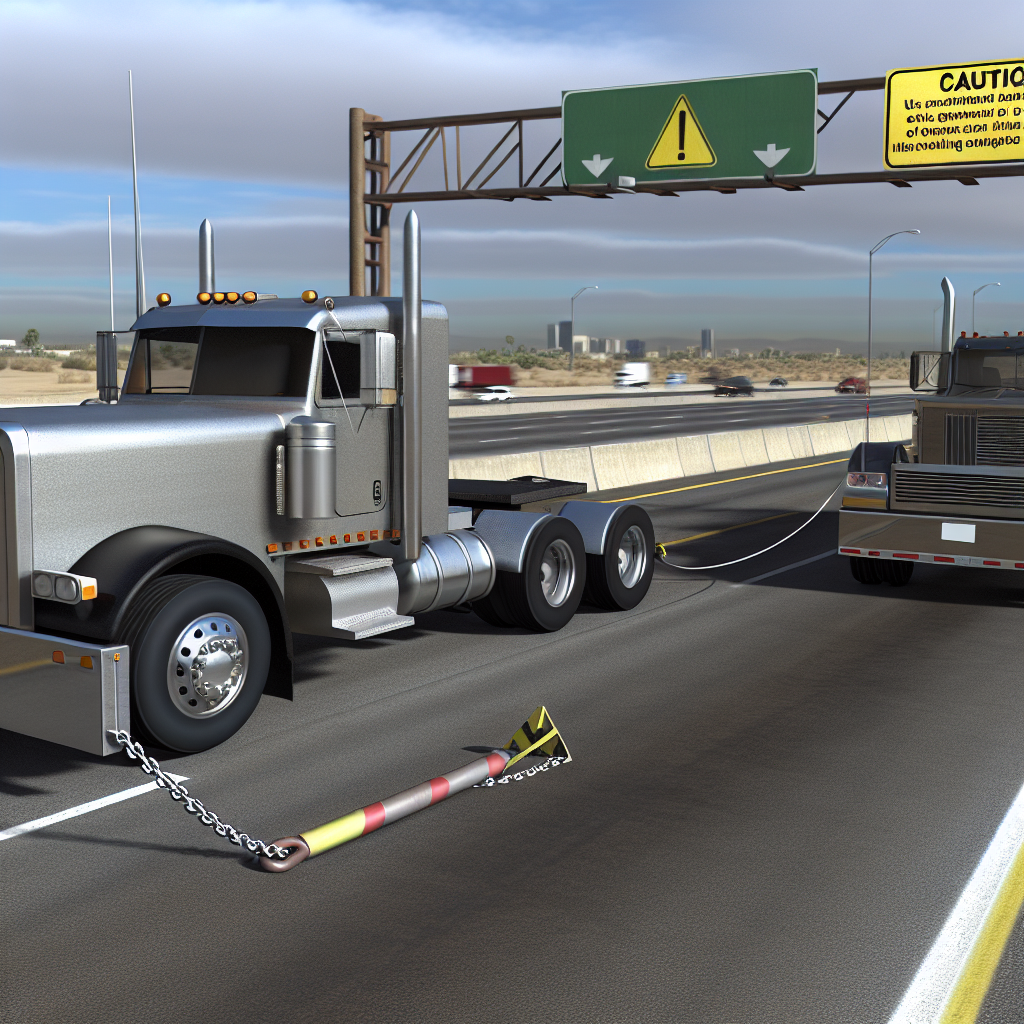
Towing another vehicle may appear straightforward, but ensuring it is done safely and legally requires a comprehensive understanding of towing safety regulations and professional towing standards. The alarming incident involving the California Highway Patrol (CHP), where a big rig driver attempted to tow utilizing a metal pipe rather than appropriate equipment, serves as a vivid reminder of the potential dangers linked with illegal towing practices. Such reckless actions not only jeopardize the driver’s safety but also threaten the well-being of other road users. According to the National Highway Traffic Safety Administration, improper towing causes approximately 65,000 crashes each year, resulting in over 400 fatalities. This data underscores the critical importance of adhering to safe towing protocols, including proper equipment usage, weight distribution, and compliance with state laws. Engaging professional towing services is vital to mitigating risks and ensuring public safety on the roads. You can find more information on towing regulations by visiting the National Highway Traffic Safety Administration website.
In relation to the incident, the CHP stated, “Towing another vehicle with a pipe and some chain is NOT legal or safe!”
This assertion emphasizes the gravity of the matter and highlights the necessity for employing professional towing services. This article explores safe and legal towing practices, reinforcing the importance of professional assistance for the welfare of all road users.
| Aspect | Professional Towing Services | Improvised Towing |
|---|---|---|
| Safety | High safety standards; trained personnel | Unsafe; untrained individuals may use inadequate methods |
| Legality | Fully compliant with towing regulations | Often illegal; may violate local laws |
| Cost | Higher initial cost, includes coverage | Lower immediate cost, but potential for high costs from damage or legal issues |
| Efficiency | Quick response and reliable equipment | Highly variable; often slow and risky methods |
Legal Consequences of Unsafe Towing
Unsafe towing practices can lead to significant legal ramifications for operators and companies alike, as highlighted by a recent incident involving the California Highway Patrol (CHP). In this case, a big rig driver attempted to tow another vehicle using a metal pipe—a practice that not only endangered public safety but also violated various state regulations. The consequences of such actions can be severe and multifaceted.
Liability for Damages
If an accident occurs due to unsafe towing, the involved parties may face liability claims for damages. This includes not only property damage but also personal injury claims that can result in substantial financial liability. Tow operators could be found negligent if it is determined that their actions directly caused the accident. According to the California Lawyers Association, unsafe towing practices can lead to negligence claims against operators, and in egregious cases, gross negligence charges can also apply, resulting in multi-million dollar judgments.
Possible Criminal Charges
Operating a vehicle in an unsafe manner can lead to misdemeanor charges under California Vehicle Code Division 11.5. This includes improper securement of loads and utilizing inappropriate equipment for towing. For instance, the CHP stated that using a metal pipe and chain for towing is illegal and dangerous. Legal consequences can be compounded if the unsafe practices result in injury or death.
Implications for Insurance Coverage
Unsafe towing can also have implications for insurance coverage. Towing operators may find themselves facing increased premiums or denial of coverage if they are found liable for accidents due to negligence. The California Department of Insurance outlines mandatory coverage requirements for tow operators, emphasizing the need for adequate liability insurance. Inadequate insurance can expose operators to personal asset risks in the event of an accident.
The Broader Impact on the Towing Industry
These legal fallout scenarios not only affect individuals but can also have ripple effects throughout the towing industry. Companies that engage in unsafe practices risk facing scrutiny from regulatory bodies like the CHP, which may lead to operational suspensions or increased compliance demands. The importance of adhering to legal towing protocols can thus not be understated, as it serves to protect drivers, the public, and the integrity of the towing industry itself.
In summary, the legal consequences of unsafe towing are extensive, encompassing liability for damages, potential criminal charges, insurance implications, and far-reaching effects on the towing sector. Engaging professional towing services ensures that these risks are minimized and that safe practices are adhered to.
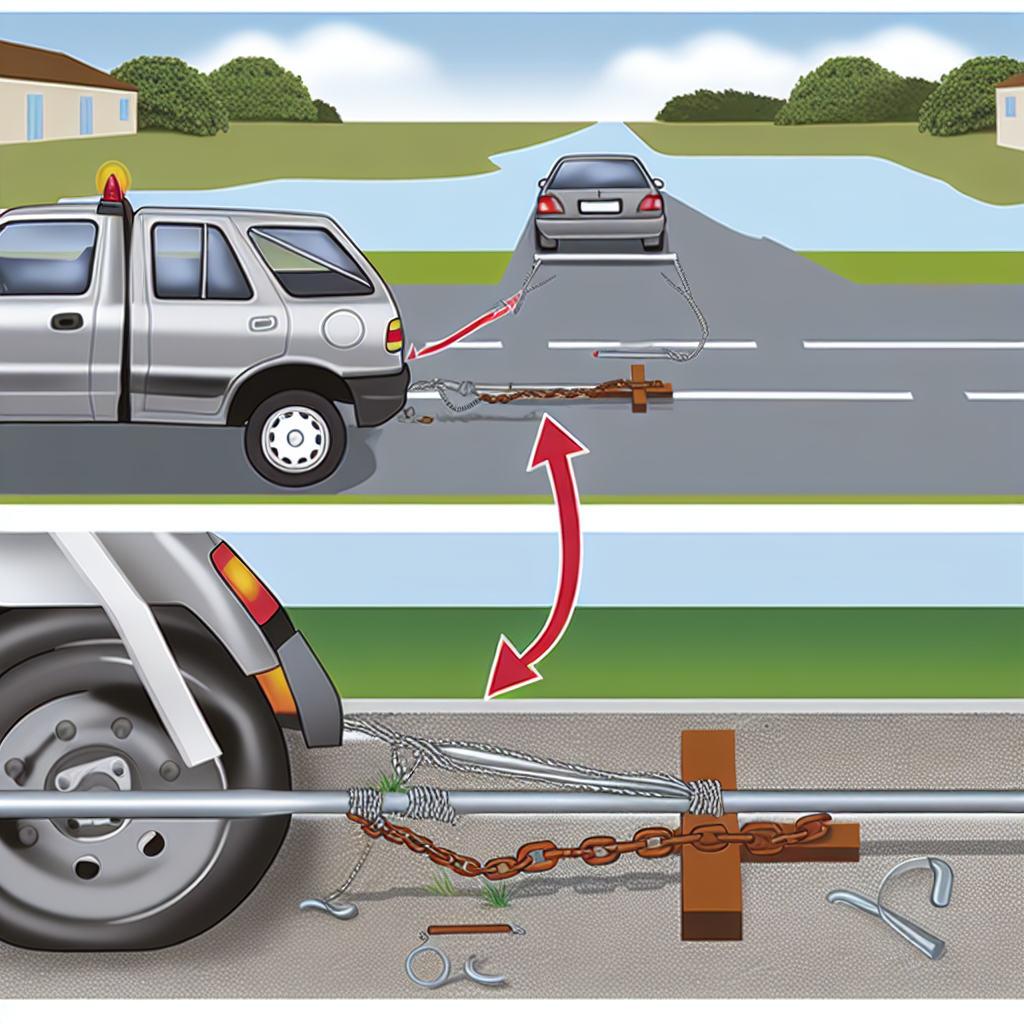
Statistics on Towing Accidents and the Importance of Professional Services
According to various industry studies, improper towing is a significant contributor to road accidents, with reports indicating that about 12% of all roadside accidents result from inadequate towing practices. This statistic emphasizes the critical importance of adhering to safe methods of towing to protect drivers and bystanders alike.
Professional towing services play a vital role in enhancing road safety. Notably, these services are compliant with safety regulations and significantly reduce secondary accident risks by as much as 60% compared to amateur attempts. This remarkable difference underscores the necessity of engaging trained professionals rather than resorting to makeshift solutions, which can lead to dangerous situations on the road.
User adoption of professional towing services has seen a marked increase, with 78% of urban drivers now opting for certified providers. This trend can be largely attributed to heightened awareness around safety protocols, propelled by educational campaigns and collaborative efforts with insurance providers. Furthermore, certified towing services prevent an estimated $2 billion in vehicle damage each year, demonstrating both economic and safety benefits.
Additional data shows that 65% of drivers favor services that adhere to safety standards. This clear preference highlights a societal shift towards more responsible towing practices and a collective understanding of the importance of using professional assistance for towing needs.
Investing in professional towing not only enhances personal safety but also contributes positively to the overall safety of roadways, making it an essential consideration for all drivers.
The Role of CHP in Enforcing Towing Regulations
The California Highway Patrol (CHP) plays a crucial role in regulating the towing industry to ensure public safety and compliance with state laws. By enforcing towing regulations, the CHP aims to prevent illegal and unsafe towing practices that pose risks to drivers and vehicles. This role is particularly vital given the large number of motorists relying on towing services every day.
One of the most significant actions taken by the CHP includes conducting multi-agency operations to target illegal towing companies. For instance, in a recent operation in Southern California, officers investigated 22 towing companies for numerous violations, such as operating without proper licenses, overcharging customers, and failing to provide required documentation. The crackdown resulted in 44 citations being issued and 11 vehicles belonging to illegal operators being towed, underscoring the CHP’s commitment to enforcing towing laws and maintaining safety on the roads.
Moreover, the CHP oversees the licensing of tow truck drivers and towing companies. Their authority allows them to inspect towing records, investigate consumer complaints, and ensure compliance with maximum rate regulations. Such oversight is essential, as it helps identify and take action against predatory towing practices that target vulnerable motorists.
For example, in another incident, a tow operator was arrested after allegedly extorting money from stranded motorists by charging exorbitant fees and threatening vehicle damage if payments were not made. This situation reflects the dangers of unregulated towing practices and the necessity for vigilant enforcement by the CHP.
Overall, the CHP’s proactive approach is indispensable for maintaining safe towing practices across California. By regulating the towing industry, they protect not only the motorists but also uphold the integrity of the towing profession.
In light of this incident, the California Highway Patrol (CHP) expressed their gratitude for public vigilance. They stated,
“A big thank you to the alert driver who picked up the phone and called 9-1-1.”
This highlights the critical role of public awareness in ensuring safety.
Conclusion
The recent incident involving unsafe towing practices underscores the importance of adhering to legal and safe towing methods. The use of makeshift equipment, as shown by the big rig driver who attempted to tow with a metal pipe, endangers not only the driver but also other road users. This serves as a reminder of the risks associated with improper towing, which can lead to devastating accidents, legal consequences, and increased costs.
Professional towing services play a crucial role in mitigating these risks. Trained personnel equipped with the correct tools can perform towing legally and safely, significantly reducing accident chances. Statistics indicate that professional services can decrease the risk of secondary accidents by as much as 60%, highlighting their essential role in road safety.
As responsible citizens, it is vital to remain vigilant and informed about unsafe towing practices in our communities. Reporting unsafe towing activities to authorities like the California Highway Patrol is crucial to protecting all drivers and promoting safe towing practices in society. Together, we can create a safer driving environment by encouraging professional towing services and discouraging makeshift methods.
In conclusion, it is essential to remember the words of the CHP: “…brake chambers were dragging on the ground; a clear indication that they weren’t working.” This emphasizes the necessity for proper equipment and maintenance to ensure the safety of towing operations.
The Role of CHP in Enforcing Towing Regulations
The California Highway Patrol (CHP) is essential in regulating the towing industry. They ensure public safety and compliance with state laws. By enforcing towing regulations, the CHP aims to prevent illegal and unsafe towing that endangers drivers and vehicles. This role is essential as many motorists rely on towing services daily.
The CHP conducts operations targeting illegal towing companies. For example, in a recent operation in Southern California, officers investigated 22 towing companies for various violations, including operating without licenses, overcharging customers, and not providing required documents. This crackdown resulted in 44 citations and the towing of 11 vehicles from illegal operators, demonstrating the CHP’s commitment to enforcing towing laws and maintaining road safety.
Moreover, the CHP oversees the licensing of tow truck drivers and companies. They can inspect records and investigate consumer complaints to ensure compliance with regulations. This oversight helps identify and address predatory towing practices that exploit vulnerable motorists.
For instance, in another case, a tow operator was arrested for allegedly extorting stranded motorists by charging excessive fees and threatening vehicle damage if payment was not made. This situation shows the dangers of unregulated towing and the importance of careful enforcement by the CHP.
In summary, the CHP’s proactive approach is vital for maintaining safe towing practices across California. By regulating the towing industry, they protect both motorists and the integrity of the towing profession.