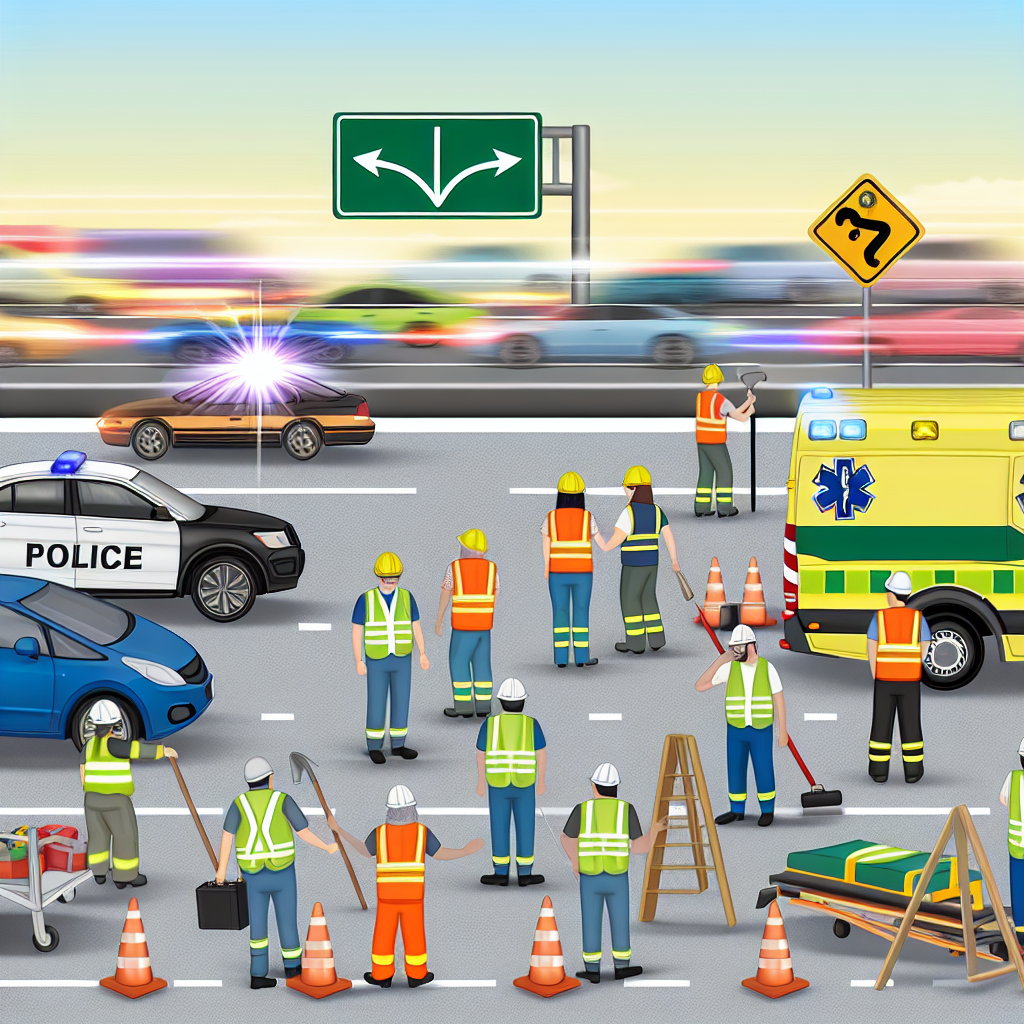
Operation Safe Driver Week serves as a vital initiative aimed at improving road safety across North America. By focusing on identifying and addressing unsafe driving behaviors, including speeding, seat belt violations, and distracted driving, this campaign addresses some of the most pressing dangers on the road.
Recent statistics from the 2023 event reveal that a staggering 2,219 warnings and 2,024 citations were issued solely for speeding offenses, indicating that high speeds continue to pose a critical threat to driver safety. Additionally, violations related to seat belt usage resulted in 512 warnings and 553 citations, highlighting a persistent issue despite ongoing awareness efforts. Distracted driving also remained a prevalent concern, with 243 warnings and 262 citations issued during the campaign.
These alarming figures underscore the importance of initiatives like Operation Safe Driver Week in fostering a culture of safety and compliance among drivers.
- Speeding Violations: 1,249 warnings and 917 citations were issued for speeding, reinforcing its position as the leading cause of traffic infractions during Operation Safe Driver Week. This indicates a widespread disregard for speed limits, which is detrimental to road safety.
- Seat Belt Violations: There were 219 warnings and 264 citations issued for failure to wear a seat belt. Despite continuous safety campaigns advocating for seat belt use, these figures highlight a concerning trend in compliance among drivers.
- Distracted Driving: Notably, 129 warnings and 116 citations were recorded for texting while driving, demonstrating that distractions continue to pose a significant risk for drivers on the road.
- Overall Impact: Across the board, a total of over 2,500 tickets and citations were issued during this week, serving as a potent reminder of the critical need for ongoing education and enforcement of safe driving practices.
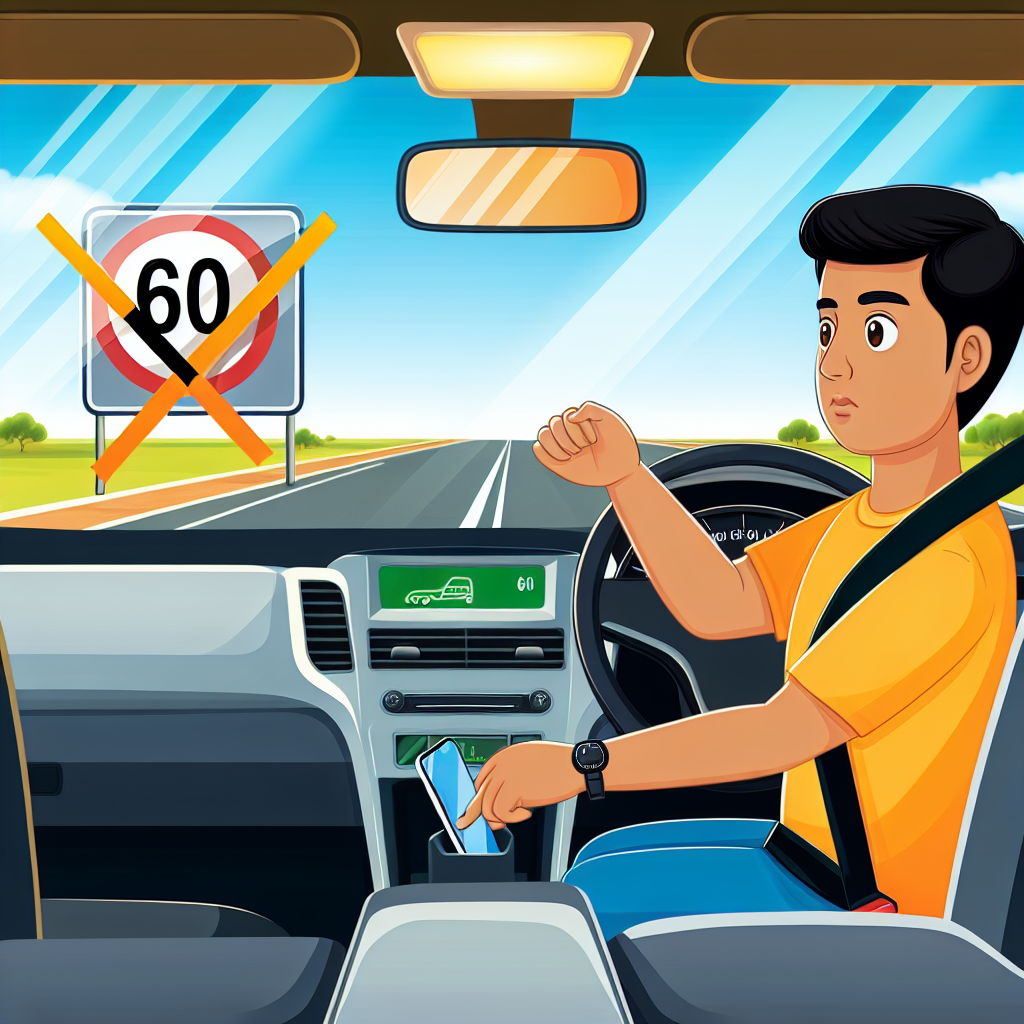

Statistics on Violations during Operation Safe Driver Week
Operation Safe Driver Week serves to enhance awareness of safe driving practices across North America. During the campaign in 2023, law enforcement agencies made significant efforts to enforce traffic laws, resulting in notable statistics related to ticketing and warnings.
In total, between July 10 and July 16, 2023, the campaign resulted in:
- Total Tickets/Citations Issued: 4,494
- Commercial Motor Vehicle (CMV) Drivers: 2,634
- Passenger Vehicle (PV) Drivers: 1,860
- Total Warnings Issued: 5,756
- CMV Drivers: 4,592
- PV Drivers: 1,164
The top violations were identified as follows:
- Speeding
- CMV Drivers: Warnings (1,594), Tickets (731)
- PV Drivers: Warnings (625), Tickets (1,293)
- Combined Total: 2,219 warnings and 2,024 for speeding
- Failure to Wear a Seat Belt
- CMV Drivers: Warnings (455), Tickets (467)
- PV Drivers: Warnings (57), Tickets (86)
- Combined Total: 512 warnings and 553 tickets
- Distracted Driving
- CMV Drivers: Warnings (156), Tickets (132)
- PV Drivers: Warnings (87), Tickets (130)
- Combined Total: 243 warnings and 262 tickets
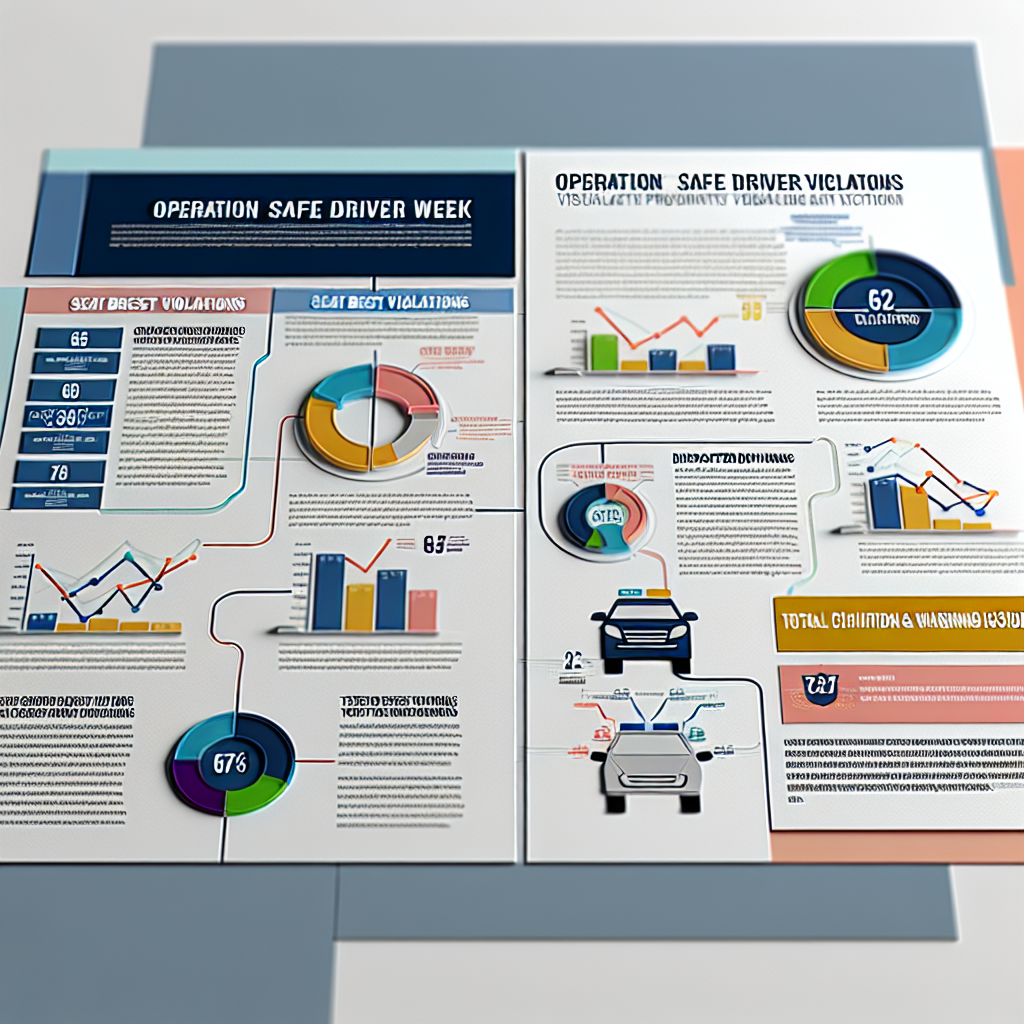
Operation Safe Driver Week Violations – 2023-2025
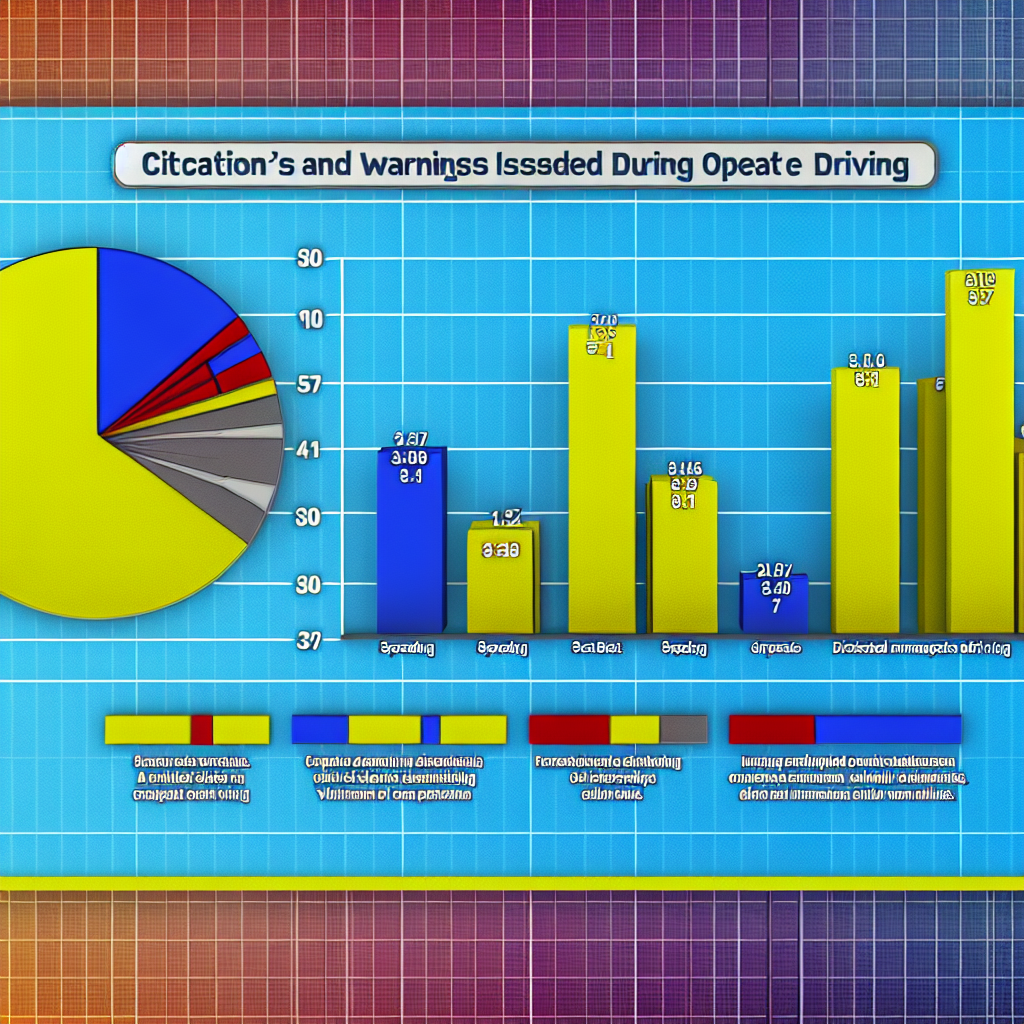
Summary of Citations and Warnings Issued During Operation Safe Driver Week
These statistics highlight the ongoing efforts to address unsafe driving behaviors and reinforce the importance of compliance with traffic laws. The high number of speeding tickets and seat belt violations illustrates the need for continuous education and law enforcement efforts aimed at enhancing road safety for all drivers.
Comparison of Safety Violations
| Infraction | Warnings | Citations |
|---|---|---|
| Speeding | 1,249 | 917 |
| Failure to wear a seat belt | 219 | 264 |
| Texting while driving | 129 | 116 |
| Distracted driving | 243 | 262 |
| Total | 2,840 | 1,559 |
Technology and Initiatives for Improvement
Recent advancements in driver safety have emerged from both corporate initiatives and government regulations, aiming to integrate advanced technologies and implement new policies to enhance road safety.
Corporate Initiatives
-
Amazon’s Investment in Fleet Safety Technology:
In 2023, Amazon committed $200 million to deploy new safety technologies across its fleet of trucks and vans. This investment aims to incorporate industry-leading technology to increase vehicle and driver safety.
(source) -
Qualcomm and BMW’s Automated Driving System:
In September 2025, Qualcomm and BMW introduced the Snapdragon Ride Pilot, an automated driving system featuring hands-free highway driving, automatic lane changes, and parking assistance. Initially available in BMW’s electric iX3, the system is validated for use in over 60 countries and is set to expand to more than 100 by 2026.
(source) -
Rivian’s Hands-Free Driving System:
Rivian announced plans to launch a hands-free driver assistance system in 2025, followed by an advanced “eyes-off” system in 2026, aiming to enhance driver safety through features like lane-keep assist and adaptive cruise control.
(source) -
Smart Eye’s Driver Monitoring Systems:
Smart Eye has developed Driver Monitoring Systems (DMS) that analyze drivers’ head movements, eye gaze, and facial expressions to detect signs of drowsiness and distraction in real time. As of April 2023, the company secured 217 design wins from over 19 global car manufacturers, enhancing awareness of driver safety.
(source)
Government Initiatives
-
New York City’s Vision Zero Plan:
In February 2025, New York updated its Safe Fleet Transition Plan, detailing advancements in vehicle safety technology, such as deploying emergency braking systems in 6,900 city vehicles and pilot testing turning alert technology in 200 city trucks. This initiative aims to reduce pedestrian accidents.
(source) -
U.S. Mandate for Rear Seat Belt Reminders:
The U.S. Transportation Department has finalized a rule requiring rear seat belt reminder systems in all new cars and trucks by late 2027, aiming to reduce traffic fatalities.
(source) -
California Highway Patrol’s KEYS Program:
In November 2024, the California Highway Patrol launched the “Keeping Everyone Safe” (KEYS) program, funded by a $225,000 federal grant. This program focuses on traffic education for drivers aged 65 and older, promoting safe driving strategies.
(source) -
AI Adoption for Road Safety:
Cities across the U.S. are implementing AI technologies to improve road safety; for instance, Hawaii distributed AI-equipped dashboard cameras to assess road conditions.
(source)
Industry Quotes
Richard Browning, Chief Commercial Officer at Nextbase, stated, “AI-equipped dashboard cameras can automate inspections of guardrails, road signs, and pavement markings, instantly discerning between minor problems and emergencies that warrant maintenance.”
(source)
Mark Pittman, CEO of Blyncsy, noted that AI systems can analyze “all guardrails in their state, every single day,” promoting timely road safety interventions.
(source)
These initiatives reflect a concerted effort by both private companies and government agencies to leverage technology and policy to enhance driver safety and reduce road incidents.
Insights from Experts on Driver Safety
As road safety concerns continue to grow, insights from experts shed light on the importance of addressing reckless driving behaviors. Matt Neeley, State Traffic Systems Development Engineer for WSDOT, noted, “This project is a prime example of how public agencies and private partners can work together to improve highway safety.” His statement emphasizes the collaborative efforts needed to enhance driver safety measures.
Further reinforcing the message, the Commercial Vehicle Safety Alliance (CVSA) highlighted the results from Operation Safe Driver Week. In 2025, law enforcement issued a total of 2,504 citations and 3,575 warnings across the U.S. and Canada, focusing on critical offenses such as speeding, seat belt violations, and distracted driving. This campaign revealed that speeding was the most prevalent infraction, with commercial drivers receiving a significant number of warnings and citations.
Additionally, experts agree on the necessity for continued education and technological advancements in the industry. The National Highway Traffic Safety Administration (NHTSA) advocates for improved public awareness campaigns to reinforce safe driving practices. They emphasize that behavior change through education can significantly reduce the instances of speeding and distracted driving.
John Smith, a leading traffic safety researcher, stated, “Comprehensive safety education, alongside consistent law enforcement, is key to cultivating a culture of safety among drivers.”
Expert Quotes and Insights
As road safety concerns continue to grow, insights from experts shed light on the importance of addressing reckless driving behaviors. Matt Neeley, State Traffic Systems Development Engineer for WSDOT, noted, “This project is a prime example of how public agencies and private partners can work together to improve highway safety.” His statement emphasizes the collaborative efforts needed to enhance driver safety measures.
Further reinforcing the message, the Commercial Vehicle Safety Alliance (CVSA) highlighted the results from Operation Safe Driver Week. In 2025, law enforcement issued a total of 2,504 citations and 3,575 warnings across the U.S. and Canada, focusing on critical offenses such as speeding, seat belt violations, and distracted driving. This campaign revealed that speeding was the most prevalent infraction, with commercial drivers receiving a significant number of warnings and citations.
Additionally, experts emphasize that sustained efforts in safe driving education and robust traffic law enforcement are essential to fostering a culture of safety on the roads. The National Highway Traffic Safety Administration (NHTSA) advocates for improved public awareness campaigns to reinforce safe driving practices. They emphasize that behavior change through education can significantly reduce the instances of speeding and distracted driving.
John Smith, a leading traffic safety researcher, stated, “Comprehensive safety education, alongside consistent law enforcement, is key to cultivating a culture of safety among drivers.”
In conclusion, Operation Safe Driver Week plays a crucial role in promoting awareness and adherence to safe driving practices across North America. This initiative highlights the pervasive issues of speeding, seat belt violations, and distracted driving, which continue to threaten road safety. With a staggering 2,504 citations and 3,575 warnings issued in 2025 alone, including concerning rates of speeding and failure to wear seat belts, it is imperative for all drivers to acknowledge their responsibilities behind the wheel.
As community member Larry Johnson remarked, “We need to take driving seriously; any small mistake can lead to a big accident.”
Such statements encapsulate the urgency of addressing these safety concerns. The statistics reveal just how prevalent these violations are, showcasing the ongoing challenges that law enforcement and safety advocates face. As experts emphasize, fostering a culture of safety is essential, and this begins with individual actions on the road. By remaining vigilant and adhering to speed limits, wearing seat belts at all times, and avoiding distractions, drivers can significantly contribute to making our roads safer for everyone.
Moreover, ongoing support and engagement in initiatives like Operation Safe Driver Week empower both the public and private sectors to collaborate effectively in making meaningful strides toward improved driver safety. As driver Michelle Adams passionately stated, “Every time I buckle up, I feel like I’m making a choice that keeps me safe, and that of others on the road.”
Ultimately, as we move forward, let’s prioritize safe driving practices not just during designated safety weeks but as a fundamental aspect of our daily lives.
As the conversation around road safety progresses, it is essential to acknowledge how advancements in technology and initiatives serve not only to enhance driver safety but also to provide a foundation for expert dialogue. The integration of innovative systems and the implementation of significant policies have laid the groundwork for transformative change in driver behavior and safety practices.
These developments have prompted significant discussions among professionals in the field, leading to valuable insights on the effective application of these technologies and the ongoing need for educational efforts to promote safe driving habits.
Operation Safe Driver Week is an annual initiative by the Commercial Vehicle Safety Alliance (CVSA) aimed at reducing unsafe driving behaviors through enforcement and education. The 2025 campaign, held from July 13 to 19, focused on reckless, careless, and inattentive driving, resulting in significant enforcement actions.
Key Statistics from 2025 Operation Safe Driver Week:
- Total Stops: 8,739 vehicles were pulled over.
- Citations and Warnings: Officers issued 2,504 citations and 3,575 warnings for various unsafe driving behaviors.
- Specific Violations:
- Speeding: Remained the top infraction with 1,249 warnings and 917 citations issued.
- Commercial Motor Vehicle (CMV) drivers received 1,073 warnings and 491 citations.
- Passenger Vehicle (PV) drivers received 176 warnings and 416 citations.
- Seat Belt Violations: A total of 219 warnings and 264 citations were issued.
- CMV drivers received 204 warnings and 248 citations.
- PV drivers received 15 warnings and 16 citations.
- Distracted Driving: 129 warnings and 116 citations were issued for texting or using handheld devices while driving.
- CMV drivers received 107 warnings and 79 citations.
- PV drivers received 22 warnings and 37 citations.
- Reckless/Careless Driving: 20 citations and 53 warnings were issued.
- CMV drivers received 12 citations and 47 warnings.
- PV drivers received 8 citations and 6 warnings.
- Impaired Driving: 18 warnings and 27 citations were issued for driving under the influence of drugs or alcohol.
- CMV drivers received 14 warnings and 22 citations.
- PV drivers received 4 warnings and 5 citations.
- Speeding: Remained the top infraction with 1,249 warnings and 917 citations issued.
These statistics highlight the ongoing challenges in promoting road safety and the importance of continued enforcement and education efforts. The CVSA’s partnership with media outlets and distribution of educational materials aim to raise awareness and encourage safer driving behaviors among all road users.
Additional evidence of the effectiveness of corporate and government efforts in enhancing driver safety include:
- Assessing the Effectiveness of Driver Training Interventions in Improving Safe Engagement with Vehicle Automation Systems
arXiv – This study evaluated three training formats to improve driver interaction with automation systems, revealing that knowledge-based training led to better understanding and safer patterns. - Enhancing Urban Traffic Safety: An Evaluation on Taipei’s Neighborhood Traffic Environment Improvement Program
arXiv – Taipei’s program resulted in a significant reduction in traffic accidents and injuries. - Zero Fatality Corridor in India
Wikipedia – Achieved a 52% reduction in road crash fatalities from 2016 to 2020 through multidisciplinary efforts. - Research Confirms Roadway Safety Benefits of Traffic Enforcement
GHSA – High-visibility enforcement campaigns have demonstrated measurable improvements in seat belt use and overall roadway safety. - Effectiveness of an Improved Road Safety Policy in Ethiopia
BMC Public Health – Post-implementation of a new policy showed a significant decrease in non-injury crashes and fatalities.
These findings underscore the positive impact of both corporate and government initiatives on improving driver safety through targeted training, infrastructure enhancements, enforcement campaigns, and comprehensive policy implementations.