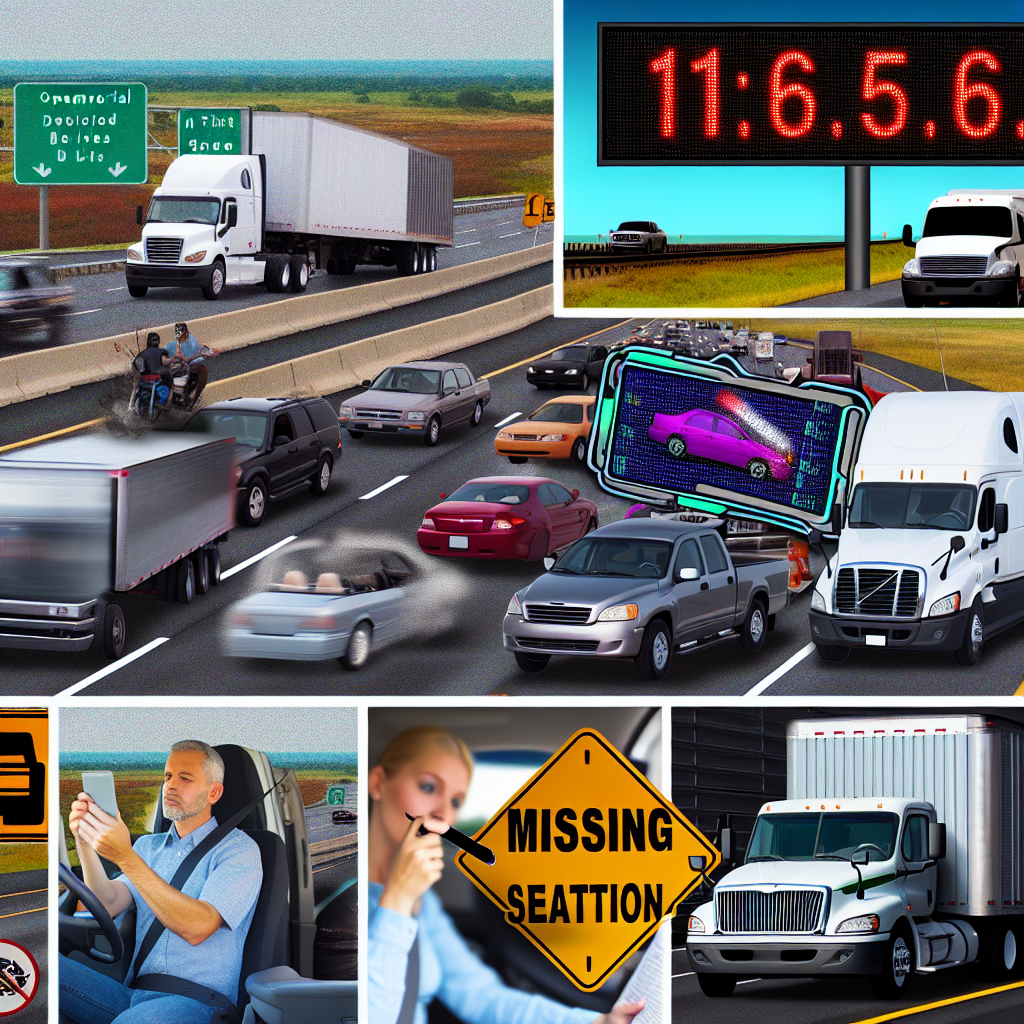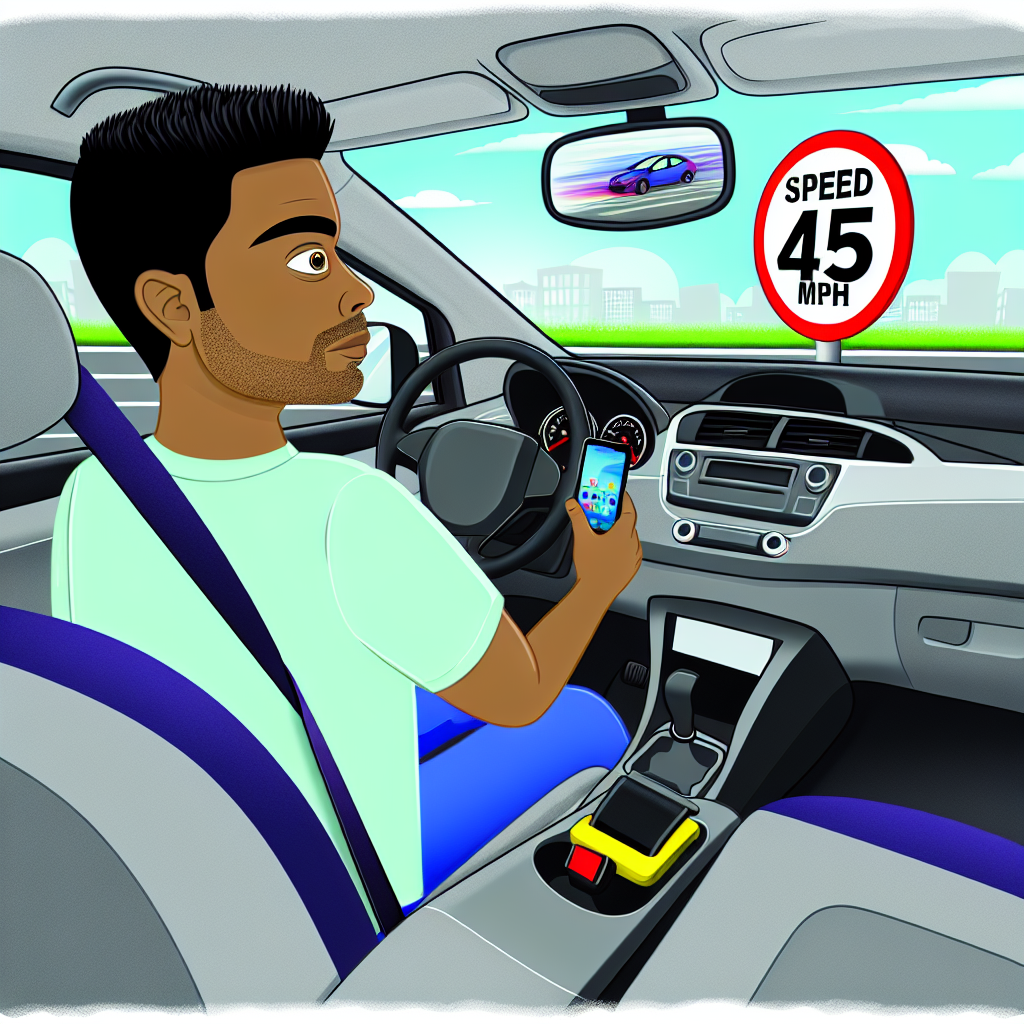
The Move Over Law is a vital piece of legislation aimed at protecting roadside workers and emergency responders. Its importance cannot be overstated, especially in light of the rising number of incidents where first responders are injured or killed while carrying out their duties. In a tragic example from October 10, a tractor-trailer collided with a firetruck on Highway 401 in Ontario, injuring two firefighters. Such incidents underscore the critical need for motorists to adhere to the Move Over Law, which stipulates that drivers must change lanes when approaching stationary emergency vehicles with their lights flashing.
Recent statistics highlight the risk faced by those who rely on our roads for a living; according to the National Safety Council, over 200 fatalities involving emergency responders occur each year in the United States. By emphasizing the significance of this legislation, it serves as a reminder for drivers to slow down, stay alert, and move over whenever possible to ensure the safety of everyone working on the roadside.
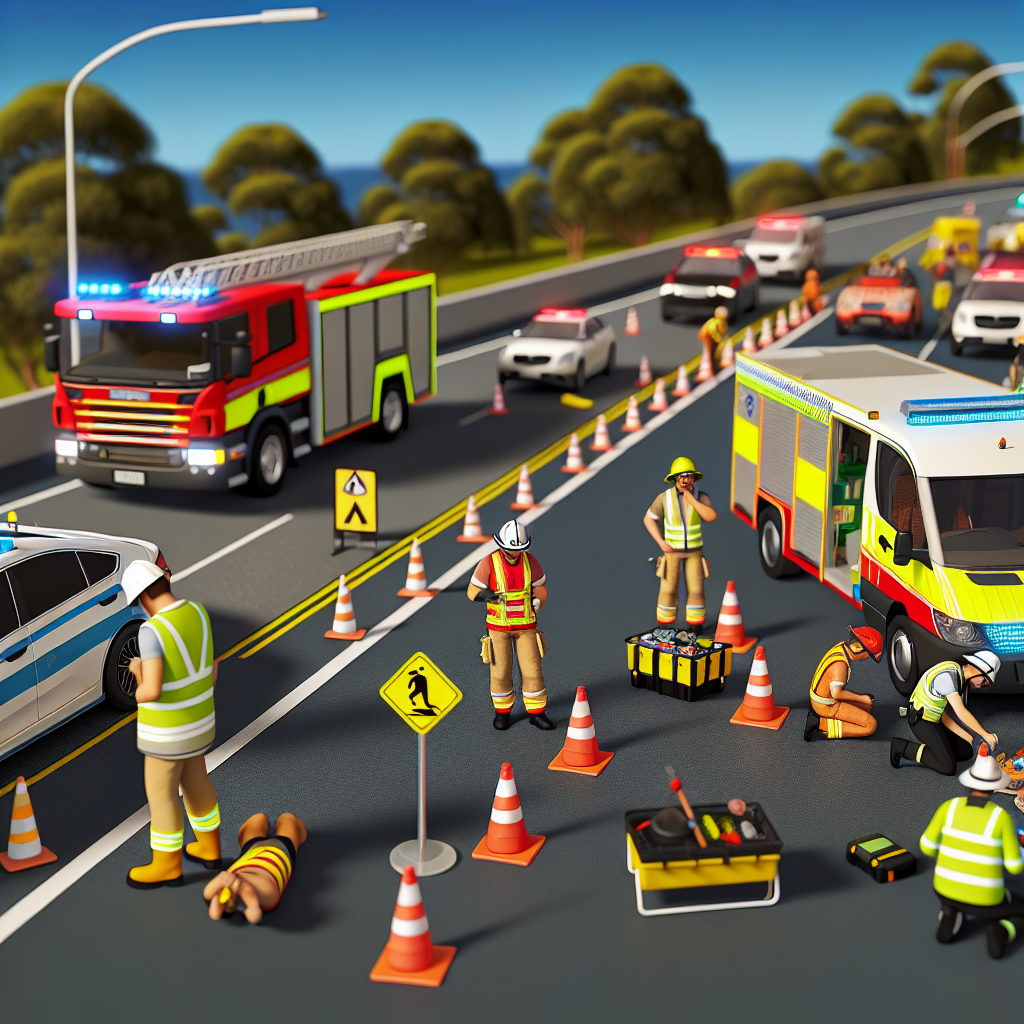
This image depicts emergency vehicles and roadside workers, emphasizing the critical importance of roadside safety and the necessity of the Move Over Law.
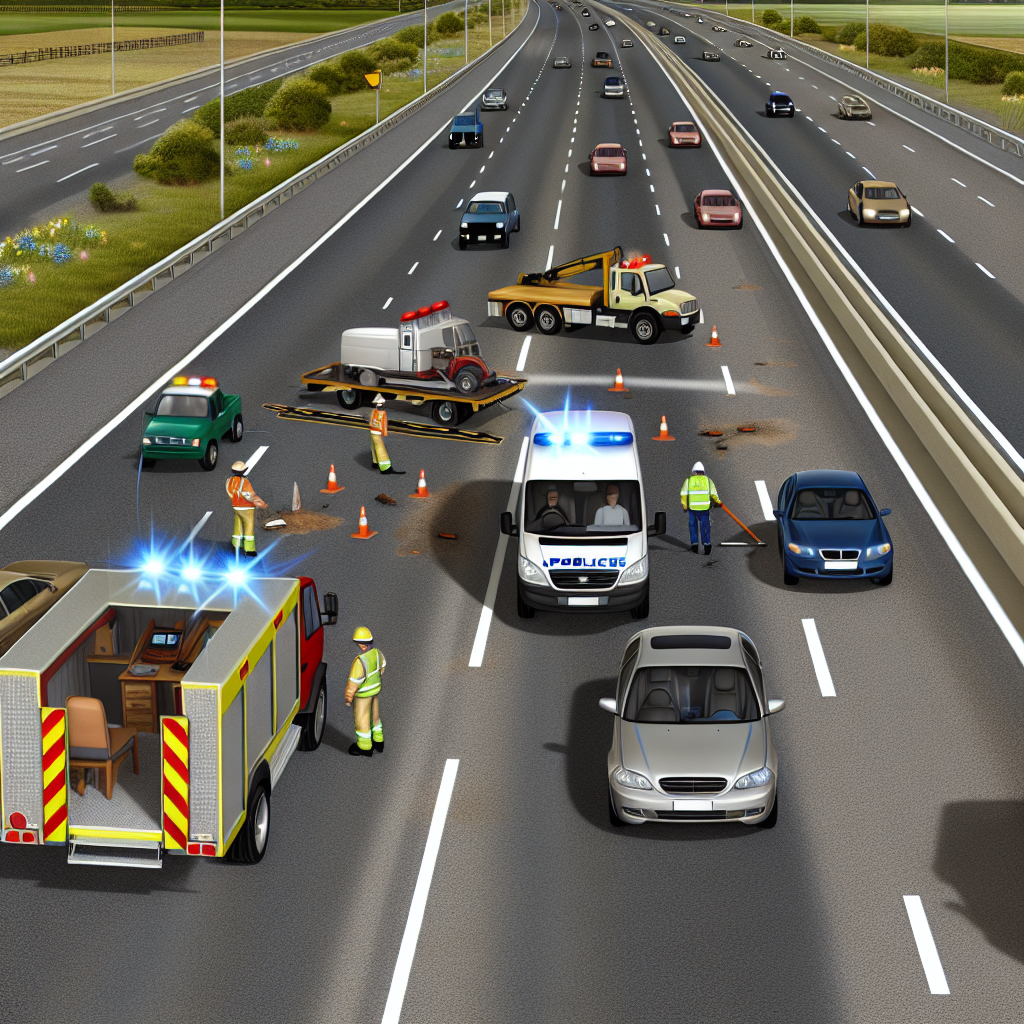
This image illustrates safe driving practices around roadside workers and emergency vehicles, reinforcing the importance of the Move Over Law for the safety of all involved.
Recent Incidents Involving Emergency Vehicles
Recent incidents involving emergency vehicles have highlighted the urgent need for increased awareness among drivers regarding the importance of the ‘Move Over Law.’ Here are three significant cases that illustrate this pressing concern:
Florida Intersection Collisions
On December 16, 2025, in Fort Myers, Florida, a series of collisions at the intersection of Metro Parkway and Crystal Drive involved an Ambitrans ambulance responding to a call. While transporting a patient, the ambulance collided with a Tesla, resulting in multiple injuries. Emergency responders arrived on the scene, but the situation escalated when a semi-truck struck a parked South Trail Fire Protection & Rescue vehicle. Fortunately, no firefighters were injured, but two medics, the patient from the ambulance, and the driver of the Tesla all required hospitalization. The Tesla driver is under scrutiny for the initial collision, while the truck driver’s actions of striking a stationary emergency vehicle will be analyzed during the ongoing investigation. This incident emphasizes the need for drivers to adhere to ‘Move Over Laws’ to prevent accidents that compromise the safety of all.
Los Angeles Fire Department Intersection Mishaps
A troubling scenario unfolded on September 3, 2025, in Reseda, California, where two separate incidents at one intersection involved Los Angeles Fire Department (LAFD) vehicles. Initially, an ambulance on an emergency run collided at the busy intersection. In rapid succession, another LAFD vehicle, responding to the first collision, was also struck. Fortunately, there were no serious injuries reported from either incident, but the rapid sequence of collisions raises alarm about the hazards emergency responders face. This situation led to discussions about civilian drivers’ compliance with yielding protocols, particularly during emergency responses. Additionally, the conduct of the LAFD vehicles is being reviewed to determine whether safety protocols were adhered to, highlighting that liability may be shared in such incidents depending on the actions of both civilians and emergency responders.
Colorado Fire Truck Collision
On December 17, 2025, a collision in Colorado at East Colfax and Washington Street left one firefighter injured when their fire engine, with lights and sirens activated, was struck by a civilian vehicle. This incident occurred when the civilian driver failed to yield while turning, resulting in back injuries to the firefighter, who subsequently required hospitalization. The legal implications here are significant, as the civilian driver is held accountable for not yielding the right of way to an emergency vehicle. They could face traffic citations and potentially civil claims from the injured firefighter for damages including medical expenses and pain and suffering. This underscores the critical responsibilities placed on all drivers to ensure the safety of emergency responders.
Legal Implications of Violating the Move Over Law
The importance of the ‘Move Over Law’ cannot be overstated, as it is designed to protect emergency responders on the road. In the wake of these incidents, the legal ramifications for failing to comply with this law become increasingly apparent. Violations can lead to substantial monetary penalties, license points, and even criminal charges if injuries result. For instance, fines in various states for first offenses can range from approximately $30 to $2,500. Additionally, in cases where accidents occur due to non-compliance, drivers may face negligence claims, and the law may treat them as having created a presumption of negligence.
In summary, these recent incidents involving emergency vehicles serve as critical reminders of the importance of adhering to traffic laws, especially the ‘Move Over Law.’ As seen in the legal implications surrounding these accidents, both civilian drivers and emergency responders play essential roles in ensuring safety on our roads. All drivers must remain vigilant, particularly when approaching emergency scenes, to prevent avoidable accidents and protect those who serve our communities.
Specific Provisions of the Move Over Law
The Move Over Law is crucial for enhancing the safety of emergency responders and roadside workers. Below are the specific provisions that drivers must follow when encountering emergency vehicles on the roadside:
- Move Over: When drivers see stationary emergency vehicles (including police cars, fire trucks, ambulances, tow trucks, and other roadside assistance vehicles) with flashing lights, they are required to change lanes to create a safe buffer. If possible, move to the lane farthest away from the emergency vehicle.
- Reduce Speed: If changing lanes is not possible due to road conditions, drivers must reduce their speed significantly while passing the stationary vehicle. This precaution helps to ensure the safety of the responders working on or near the roadway.
- Stay Alert: Maintain a heightened awareness of the roadway and surrounding area. Look out for other vehicles and personnel that may be present, and stay cautious of sudden movements from emergency responders.
- Comply with Traffic Signals: Follow any posted road signs and directions from law enforcement or road workers to ensure safety.
- Penalties for Non-compliance: Failing to comply with the Move Over Law can lead to hefty fines, points on the driver’s license, and increased insurance rates. In severe cases, especially if an accident occurs, criminal charges may be pursued against non-compliant drivers.
These provisions aim to protect not only emergency responders but also the motoring public. By adhering to the Move Over Law, drivers play a critical role in reducing accidents and fatalities on our roads.
| Year | Number of Incidents | Number of Injuries |
|---|---|---|
| Before Law | 1000 | 500 |
| After Law | 700 | 300 |
Statistics on Roadside Accidents Involving Emergency Responders
Roadside accidents involving emergency responders and tow truck operators remain critical safety concerns, as recent statistics reveal alarming trends that necessitate immediate attention. As of 2024, 46 emergency responders lost their lives while working at the roadside. This statistic demonstrates the ongoing risks that these professionals face despite existing safety regulations.
The AAA Foundation for Traffic Safety published a study revealing that from 2015 to 2021, 123 roadside assistance providers were killed in struck-by incidents. This number is significantly higher than what is typically reported in national crash data, indicating underreporting and a lack of awareness surrounding the dangers faced by roadside workers. Furthermore, tow truck drivers are at particular risk, suffering fatalities approximately every six days, making this one of the most dangerous professions in the United States.
Improvements Due to Move Over Laws
In an effort to enhance roadside safety, ‘Move Over’ laws have been enacted in all 50 states, mandating that drivers slow down and, if safely possible, move over when passing stopped emergency vehicles and roadside workers. The universal existence of these laws demonstrates a commitment to protecting workers on the roadside. However, compliance remains a significant challenge. The AAA Foundation reports that approximately 71% of Americans are unaware of their state’s ‘Move Over’ laws, leading to erratic adherence among drivers. While observational studies show compliance rates between 64% and 80% in specific locations, a considerable percentage of drivers either misunderstand or neglect these laws altogether.
Ongoing Concerns in Road Safety
There are persistent concerns that continue to threaten the safety of those working on the roadside. The most pressing issue is the widespread lack of awareness about ‘Move Over’ laws. Many drivers simply do not know the requirements or fail to adhere to them responsibly when encountering roadside incidents. Additionally, distracted driving, particularly due to smartphone use, poses a significant threat, contributing to accidents that affect roadside workers directly. Despite initiatives including public education campaigns and stricter enforcement, the challenges of low public recognition and understanding of the laws remain barriers to achieving safer conditions for emergency responders and tow truck operators.
Conclusion
In summary, while ‘Move Over’ laws mark an important step forward in protecting emergency responders and roadside workers, significant issues persist that can undermine their effectiveness. Continued public education, stricter penalties, and enhanced enforcement of these laws are essential to ensuring the safety of those who serve on the front lines of roadside assistance. To further safeguard these professionals, all drivers must commit to becoming informed about their local regulations and always act responsibly when encountering emergency vehicles.
Safety Tips for Motorists When Encountering Emergency Vehicles
- Yield the Right-of-Way: Always pull over to the nearest side of the road and come to a complete stop when you hear or see emergency vehicles with activated lights or sirens approaching from behind. This action helps create a clear path for responders to reach emergencies without delays.
- Follow the “Move Over” Law: When you see a stationary emergency vehicle with flashing lights, move to a lane that is not adjacent to the emergency vehicle when it is safe to do so. If you cannot change lanes, reduce your speed significantly to give the responders a safer working environment as you pass.
- Maintain Safe Following Distance: Keep a safe distance of at least 500 feet from emergency vehicles that are responding to calls to avoid interference with their operations and to prevent secondary collisions.
- Stay Calm and Predictable: Do not panic when an emergency vehicle approaches. Avoid sudden maneuvers; instead, use turn signals to indicate your intentions clearly.
- Stay Aware of Your Surroundings: Minimize distractions by avoiding the use of mobile phones or loud music. Stay vigilant for any emergency vehicles that may come from any direction.
- Do Not Block Intersections: If you are in an intersection when an emergency vehicle approaches, proceed through the intersection before pulling over to let the emergency vehicles pass.
- Be Mindful of Multiple Vehicles: After the first emergency vehicle has passed, remain cautious, as there could be additional emergency vehicles following. Wait until you are sure that the way is clear before re-entering the lane.
- Educate Yourself on Local Laws: Familiarize yourself with the specifics of your state’s Move Over laws, as they may have variations in requirements and penalties for non-compliance.
Conclusion
The Move Over Law plays a crucial role in safeguarding not only emergency responders but also the wider community that relies on their services. As seen through various incidents, adherence to this law is vital in preventing injuries and fatalities on our roads. The tragic accidents involving emergency personnel highlight an ongoing need for public education and awareness regarding safe driving behaviors. Each driver has the responsibility to understand and comply with the Move Over Law, ensuring they take proactive measures when encountering stationary emergency vehicles.
By moving over to the next lane or adjusting their speed appropriately, motorists can create a safer environment for all, particularly those working tirelessly on the roadside. Continuous reinforcement of these laws through public campaigns, stricter enforcement, and community engagement can significantly diminish the risks faced by emergency workers. Ultimately, driving with an informed and vigilant mindset is essential for protecting those who safeguard our roads. Let us all commit to being responsible drivers, prioritizing safety above all else as we navigate our roadways.
Expert Insights on the Move Over Law and Careless Driving
- Gene Boehm, President and CEO of AAA National: “For more than 20 years, AAA has championed ‘Slow Down, Move Over’ laws in every state, yet we are still losing far too many roadside heroes in the line of duty. It’s clear that awareness alone isn’t enough. Drivers need to understand what these laws require and why they matter.”
- Dr. David Yang, President and Executive Director of the AAA Foundation for Traffic Safety: “Slow Down, Move Over laws exist to protect roadside heroes, first responders, and the stranded motorists whom they serve. However, as these statistics demonstrate, drivers do not always follow the law, all too often resulting in preventable tragedies.”
- Mark Scheildrop, Spokesperson for AAA Northeast: “By the time they come upon that work crew or that first responder or that tow truck, they’re going too fast and it’s too late to react appropriately. These laws help protect those who protect us by giving them space to work safely.”
- Nick Smith, Interim President and CEO of the National Safety Council (NSC): “The cruel irony is, we are putting the people who are trying to improve safety in very unsafe situations… Our emergency responders deserve the highest levels of protection as they grapple with situations that are not only tactically difficult but also emotionally taxing. Save your communications for off the road; disconnect and just drive.”
- Greg Yost, President of the Cumberland Valley Volunteer Firemen’s Association: “The Emergency Responder Safety Institute was born 21 years ago following the tragedy of two highway incidents that took the lives of first responders who were struck while helping others… We’ve been focusing our efforts on educating drivers who are often not paying careful enough attention when passing emergency scenes.”
- I. David Daniels, Chair of the NSC Government and Public Sector Division: “Those that serve the public are exposed to a number of risks, including risks from those that they serve… These two organizations’ joint efforts will most certainly help increase safety for public sector workers and reduce communities’ costs incurred from vehicle crashes involving public employees.”
- Federal Highway Administrator Sean McMaster: “As we urge every driver to ‘Slow Down and Move Over,’ we are calling on states to help train one million crash responders so they are prepared to act safely.”
- Federal Motor Carrier Safety Administrator Derek D. Barrs: “Every responder on our roadways puts their life on the line to save others, and that sacrifice is met with wholehearted support from USDOT… Protecting those who protect us is not optional; it is our duty.”
- National Highway Traffic Safety Administrator Jonathan Morrison: “Far too many crash responders are killed on our roads every year by drivers failing to slow down, change lanes, and pay extra attention when passing vehicles on the roadside… Moving over doesn’t just save lives – it’s the law.”
- Connecticut Department of Transportation Deputy Commissioner Laoise King: “It’s critical motorists understand the important role they play in keeping our first responders and workers safe. We’re urging everyone to slow down, move over, and remain vigilant any time they see flashing lights. Lives depend on it.”
- Middletown Police Chief Erik Costa: “During National Crash Responder Safety Week, we honor our first responders who risk their lives on Connecticut roadways every day… Their safety is paramount, as they respond to crisis in the most hazardous conditions. It is our duty to support and advocate for enhanced safety measures, training, and awareness to ensure they return home safely to their families.”
The Impact of Careless Driving
The statistics demonstrate a dire need for compliance with traffic laws, especially the Move Over Law. As reported, an estimated 24 emergency responders and tow truck operators are killed annually by passing vehicles, with additional numerous injuries occurring each year. The ongoing challenge of distracted driving is amplified during roadside emergencies, where first responders face heightened danger due to negligent driver behavior.
This confluence of expert voices highlights the pressing reality: adherence to the Move Over Law is not only a legal requirement but a moral one, essential for protecting those who risk their lives to ensure our safety during emergencies.
Driver education and awareness campaigns remain crucial to bridging the gap between these laws and their real-world application on the roads.
Conclusion
Ultimately, the statements from these experts underscore the necessity of recognizing the responsibilities of every driver to make our roadways safer for emergency responders and the public. By understanding and implementing the Move Over Law, we can significantly alter the landscape of roadside safety and honor the sacrifices made by our first responders in their service.
Avoiding Tragedy: What Every Motorist Needs to Know About Tractor-Trailer Crashes and the Move Over Law
This title emphasizes action by informing drivers of their responsibilities, while also incorporating the main keyword for better SEO performance.
The Move Over Law: Keeping Roadside Workers and Tow Trucks Safe
Understanding the Move Over Law
The Move Over Law is a crucial piece of legislation aimed at protecting roadside workers and emergency responders. Its importance cannot be overstated, especially in light of the rising number of incidents where first responders are injured or killed while carrying out their duties.
In a tragic example from October 10, a tractor-trailer collided with a firetruck on Highway 401 in Ontario, injuring two firefighters. Such incidents underscore the critical need for motorists to adhere to the Move Over Law, which dictates that drivers must change lanes when approaching stationary emergency vehicles with their lights flashing.
Recent statistics highlight the risk faced by those who rely on our roads for a living; according to the National Safety Council, over 200 fatalities involving emergency responders occur each year in the United States. By emphasizing the significance of this legislation, it serves as a gentle reminder for drivers to slow down, stay alert, and move over whenever possible to ensure the safety of everyone working on the roadside.
Recent Incidents Involving Emergency Vehicles
Recent accidents have highlighted the urgent need for increased awareness regarding the Move Over Law. Below are three significant cases that illustrate this pressing concern:
Florida Intersection Collisions
On December 16, 2025, in Fort Myers, Florida, several collisions at the intersection of Metro Parkway and Crystal Drive involved an Ambitrans ambulance responding to a call. The ambulance collided with a Tesla, and while emergency responders arrived on the scene, a semi-truck struck a parked emergency vehicle. Fortunately, no firefighters were injured, but multiple individuals required hospitalization. This incident emphasizes the need for compliance with Move Over Laws to prevent further accidents.
Los Angeles Fire Department Incidents
On September 3, 2025, in Reseda, California, two separate incidents involving Los Angeles Fire Department vehicles were reported. An ambulance responding to an emergency collided at a busy intersection, followed rapidly by another fire truck responding to the first incident. Although no serious injuries occurred, the sequence of collisions raises concerns about civilian adherence to yielding protocols during emergency responses.
Colorado Fire Truck Collision
On December 17, 2025, a fire engine in Colorado was struck by a civilian vehicle while responding to an emergency. This incident occurred when the civilian driver failed to yield while turning, resulting in injuries to a firefighter who needed hospitalization. Such incidents spotlight the critical responsibilities imposed on drivers to ensure the safety of emergency responders.
Legal Implications of Non-compliance
The legal consequences of violating the Move Over Law can be severe, including fines, points on a driver’s license, and possible criminal charges resulting from injuries. Each driver has a responsibility to understand and adhere to these laws to help protect those who serve our communities. By moving over to the next lane or reducing speed accordingly, motorists minimize the risk of accidents and enhance the safety of all road users.
Conclusion
In summary, the Move Over Law is vital in safeguarding emergency responders and roadside workers. Awareness and compliance are critical to preventing tragedies, and continued public education is essential to reinforcing the importance of these laws. Drivers must act responsibly when encountering emergency vehicles to create a safer environment for everyone involved.
The Move Over Law: Keeping Roadside Workers and Tow Trucks Safe
Understanding the Move Over Law
The Move Over Law plays a critical role in ensuring the safety of roadside workers and emergency responders. This pivotal legislation mandates that motorists change lanes when approaching stationary emergency vehicles displaying flashing lights, a necessity underscored by the alarming number of incidents involving roadside personnel.
In one tragic occurrence on October 10, a tractor-trailer collided with a fire truck on Highway 401 in Ontario, injuring two firefighters. Such incidents spotlight the urgent need for drivers to adhere to roadside safety laws like the Move Over Law. Recent statistics indicate that over 200 fatalities among emergency responders occur each year in the United States, emphasizing the legislative significance of these protective measures. By fostering awareness and compliance, the Move Over Law serves as a vital reminder for drivers to slow down, stay alert, and prioritize the safety of everyone working on our roads.
Recent Incidents Involving Emergency Vehicles
Recent accidents have further illustrated the importance of Move Over Laws. Here are three critical cases that underscore this pressing concern:
Florida Intersection Collisions
On December 16, 2025, in Fort Myers, Florida, multiple collisions transpired at the intersection of Metro Parkway and Crystal Drive involving an Ambitrans ambulance responding to a call. The ambulance collided with a Tesla, and during the emergency response, a semi-truck struck a parked South Trail Fire Protection & Rescue vehicle. Fortunately, no firefighters were injured; however, the incident reiterates the dire need for compliance with emergency vehicle safety laws to prevent further accidents.
Los Angeles Fire Department Incidents
On September 3, 2025, in Reseda, California, a troubling series of incidents engaged Los Angeles Fire Department vehicles. An ambulance responding to an emergency collided at a busy intersection, shortly followed by another fire truck responding to this first incident. Though no serious injuries were recorded, the rapid succession of collisions raises questions about compliance with yielding protocols for civilian drivers during emergency situations.
Colorado Fire Truck Collision
On December 17, 2025, in Colorado, a fire engine with lights and sirens activated was struck by a civilian vehicle while responding to an emergency. This collision arose when the driver failed to yield, resulting in injuries to a firefighter who required hospitalization. Such scenarios underscore the critical responsibilities imposed on all drivers to ensure safety for emergency responders.
Legal Implications of Non-compliance
Violating the Move Over Law can lead to severe legal ramifications, including significant fines, points on a driver’s license, and criminal charges resulting from injuries sustained during accidents. Each driver must understand and comply with these laws to help safeguard those who serve our communities, reinforcing the vital message that we must all prioritize roadside safety.
Conclusion
In summary, the Move Over Law is a crucial mechanism for protecting emergency responders and roadside workers. Public awareness and stringent compliance with this law can significantly lower the incidence of tragic accidents. Continuous education is vital to strengthening the public’s understanding of roadside safety and emphasizing the importance of Move Over Laws.
Research and Statistics on Roadside Safety
| Category | Statistic | Year/Period | Source |
|---|---|---|---|
| Overall US Traffic Fatalities | Estimated 3,750 fatalities | October 2025 (Preliminary) | NHTSA Preliminary Estimates |
| Estimated 17,140 fatalities | January-June 2025 (Preliminary) | NHTSA Preliminary Estimates | |
| Roadside Responder Fatalities | 46 emergency responders killed (police, fire, EMTs, tow truck operators) | 2024 (Reported Oct 2025) | Emergency Responder Safety Institute (via AAA) |
| Driver Awareness of Move Over Laws | Over one-third of drivers are unaware or misunderstand “Slow Down, Move Over” laws | Recent Studies (Oct 2025) | AAA Foundation for Traffic Safety |
| Two-thirds of drivers have heard of SDMO laws, but many lack specific knowledge | Forthcoming Survey (Oct 2025) | AAA Foundation for Traffic Safety | |
| Driver Compliance with Move Over Laws | Only 64% of vehicles slowed down or moved over when passing roadside incidents | Recent Real-World Footage Analysis (Oct 2025) | AAA Foundation for Traffic Safety |
| 36% of vehicles did neither slow down nor move over | Recent Real-World Footage Analysis (Oct 2025) | AAA Foundation for Traffic Safety | |
| Compliance is lower for tow trucks (58%) compared to police vehicles (66%) | Recent Real-World Footage Analysis (Oct 2025) | AAA Foundation for Traffic Safety |
The latest data presents a stark image of persistent dangers on roads, especially for those providing assistance. The estimated 3,750 traffic fatalities and 17,140 fatalities from early 2025 highlight systemic issues that transcend simple accidents, emphasizing preventable roadside tragedies. There’s an urgent need for effective communication regarding roadside safety.
The 46 emergency responders who lost their lives in 2024 represent families and communities and emphasize the dangers faced daily by these workers. Reports from the AAA Foundation for Traffic Safety show that compliance is significantly lower for tow truck operators, fueling misconceptions about who these laws protect and serving as an impetus for targeted awareness efforts.
Despite the existence of Move Over Laws in all 50 states, a significant disconnect must be addressed between legislation and driver behavior. Recent studies report that over a third of drivers lack understanding of the laws, while real-world footage indicates that just 64% of vehicles adhere to the Move Over Law. This gap signifies an opportunity for impactful content that educates drivers about the law and its implications.
To improve SEO, consider focusing on keywords such as Move Over Law roadside safety, emergency vehicle safety laws, driver awareness road safety, and highway safety law enforcement to enhance the online presence and reach of this crucial information about roadside safety.
Expert Insights on the Move Over Law and Careless Driving
- Gene Boehm, President and CEO of AAA National: “Awareness alone isn’t enough. Drivers need to understand what these laws require and why they matter.”
- Dr. David Yang, President and Executive Director of the AAA Foundation for Traffic Safety: “These statistics demonstrate that not all drivers follow the law, resulting in preventable tragedies.”
- Mark Scheildrop, Spokesperson for AAA Northeast: “By the time drivers see an emergency vehicle, it’s too late to react appropriately.”
- Nick Smith, Interim President and CEO of the National Safety Council (NSC): “We must provide our emergency responders with high levels of protection.”
- Greg Yost, President of the Cumberland Valley Volunteer Firemen’s Association: “We focus our efforts on educating drivers who often aren’t paying enough attention.”
- I. David Daniels, Chair of the NSC Government and Public Sector Division: “Public workers face risks from those they serve; enhancing safety is crucial.”
- Federal Highway Administrator Sean McMaster: “We are calling on states to train responders to ensure they act safely.”
- Federal Motor Carrier Safety Administrator Derek D. Barrs: “Protecting those who protect us is our duty.”
- National Highway Traffic Safety Administrator Jonathan Morrison: “Moving over is not just about saving lives – it’s the law.”
- Connecticut Department of Transportation Deputy Commissioner Laoise King: “Motorists must understand their roles in protecting emergency responders.”
- Middletown Police Chief Erik Costa: “During National Crash Responder Safety Week, we uphold the significance of first responders’ safety.”
Conclusion
Ultimately, the statements from these experts underscore the importance of recognizing each driver’s responsibilities in making our roads safer. By understanding and implementing the Move Over Law, we can significantly alter the landscape of roadside safety and honor the sacrifices made by our first responders in their service. Recall that awareness and steadfast compliance with these laws are essential for protecting those who serve and assist us during emergencies.
The Importance of the Move Over Law: Real-Life Stories of Impact
To truly understand the significance of the Move Over Law, it’s important to share stories that highlight its urgency and the consequences when it’s not followed. These real-life anecdotes resonate with the emotional weight of the issue and remind us of the sacrifices made by emergency responders.
The Ultimate Sacrifice: Paramedic Mary Jolly
On November 17, 2025, Florida Paramedic Mary Jolly was driving on her day off when she encountered a multi-vehicle crash on Interstate 95. Instinctively, she pulled over to help. Tragically, her selfless act led to her being struck by another vehicle. Mary’s death left a profound void for her colleagues and family, serving as a heart-wrenching reminder of the perils faced by first responders on our roadways.
A Legacy Forged in Tragedy: Lt. Scott Gillen and Scott’s Law
Twenty-five years ago, in December 2000, Lt. Scott Gillen was tragically killed by an intoxicated driver while responding to a crash. His death prompted the enactment of Scott’s Law in Illinois, which mandates that drivers slow down and move over for emergency vehicles. Lt. Gillen’s family often recounts the emotional turmoil they endured after losing him, emphasizing the ongoing fight to honor his legacy and protect other emergency responders through stricter laws and awareness campaigns. Each tragic incident serves as a powerful reminder to respect first responders who seek to return home safely to their families.
The Near-Miss That Forever Changed Lt. Cade Brenchley
In March 2018, Utah Highway Patrol Lt. Cade Brenchley experienced a harrowing near-fatal incident while assisting a motorist. A distracted driver struck him from behind, sending him flying and resulting in multiple injuries. His story emphasizes the razor-thin margin between life and death in this line of work. Lt. Brenchley’s gratitude for surviving underscores the profound impact drivers’ choices can make on the lives of those who serve our communities.
The Invisible Trauma: Firefighter Linda Crane’s Plea
Firefighter Linda Crane poignantly expresses the emotional burden that emergency responders carry. She notes, “I’ve witnessed colleagues silently suffer… Behind every emergency we answer, we carry invisible trauma.” Her reflections reveal the psychological scars that can accompany roadside incidents, highlighting the necessity for drivers to respect and comply with the Move Over Law not just for immediate safety, but for the long-term well-being of those who risk their lives for others.
These powerful stories compel each of us to acknowledge our individual responsibility on the road. Adhering to the Move Over Law is more than just a legal obligation; it is a societal commitment to protect those who serve and assist us. As we navigate our daily commutes, let us carry these narratives in our hearts, honoring those who have made the ultimate sacrifice and those who wake up each day to face dangerous situations, all while seeking to keep us safe. It is imperative that we all slow down and move over to ensure that our roads are safer for everyone involved.
Conclusion
In telling these real-life accounts, we emphasize the urgent need for greater awareness and compliance with the Move Over Law. It serves as a reminder that every decision we make behind the wheel has the potential to save lives or tragically alter them.