The question of whether to tip a tow truck driver can often lead to mixed feelings and uncertainty—especially for local auto repair shops, car dealerships, property managers, resort operators, and commercial fleet operators. Tipping practices can vary greatly across regions, with many professional services experiencing distinct norms. In this comprehensive guide, we aim to clarify the tipping landscape in towing services, focusing on the factors influencing tipping decisions, scenarios warranting a gratuity, and the essential roles tow truck drivers play in emergency situations. Each chapter builds a deeper understanding to help you make informed choices that align with both your gratitude and community standards.
Tow Truck Etiquette Decoded: Understanding When to Tip and Why It Matters
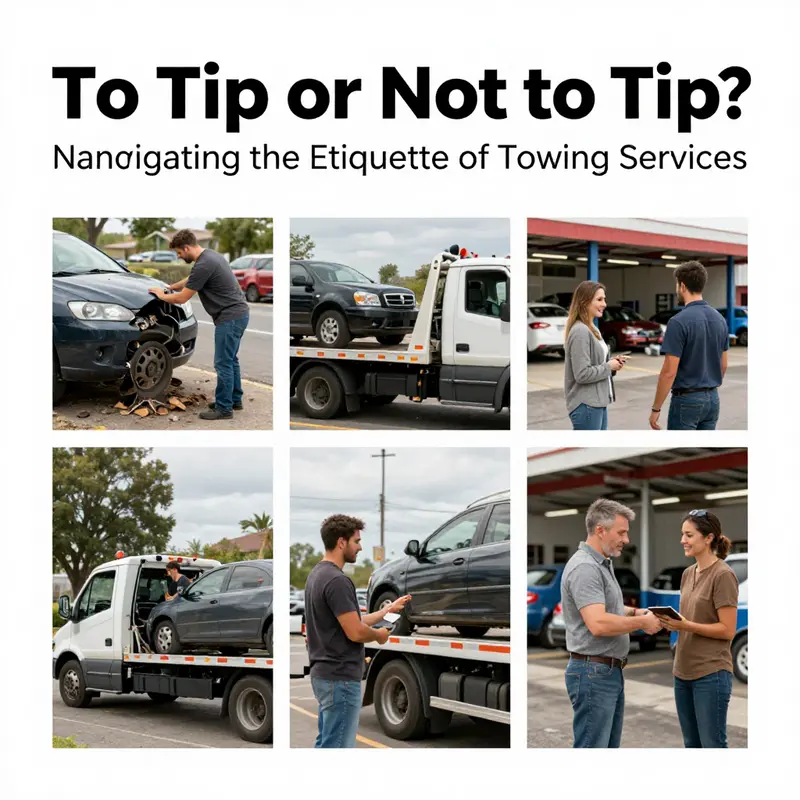
A roadside stop is rarely a moment of calm. The car sputters, the clock ticks, and a tow truck cuts through the tension like a light in a storm. In those minutes, a decision sits at the edge of your conscience: should you tip the driver who is doing a job under pressure, often in less-than-ideal conditions? The simple answer is nuanced. Tipping tow truck drivers is not universally required, and in many official and policy contexts it isn’t expected. Yet plenty of people view tipping as a meaningful gesture of appreciation when the service goes beyond the call of duty. The tension between formal compensation and personal gratitude is not unusual. It mirrors a broader truth about roadside assistance: the cost of service is typically built into the fee, and the driver’s paycheck comes from the job itself. Still, the numbers and the norms drift by region, circumstance, and the quality of the service delivered during a crisis. In practice, tipping is a personal choice, but it is also a social signal that you value reliability, careful handling, and a calm, competent presence when the world feels upside down. The conversation about tipping, therefore, is less about obligation and more about discernment. It invites drivers and customers to acknowledge a shared understanding of service quality, rather than a rigid rule carved in stone at the side of the road.
What tends to shape that decision most is the context of the tow. If the service is routine, the car is simply loaded onto a flatbed after a standard procedure, and the interaction stays within a predictable framework, tipping often feels optional. If, however, the driver arrives with urgency during an emergency, gets your vehicle unstuck from a challenging spot, or goes beyond basics—such as helping you gather paperwork, offering practical advice, or coordinating the vehicle’s delivery to a specific location—many people decide to acknowledge that extra effort with a tip. In those moments, the act of tipping becomes a tangible expression of gratitude for competence under pressure. It is less about the money and more about the message: you noticed the extra care, you appreciated the expertise, and you want to encourage that level of service in the future.
Industry norms are diverse, and official guidance helps frame the etiquette. For instance, some professional associations and national guidance emphasize that tipping is not a formal or expected part of towing services. Yet independent judgments from drivers, dispatcher staff, and customers suggest the opposite in practice. When a driver arrives promptly in an emergency, when they handle a vehicle with care, and when they assist with tasks that go beyond the minimum—such as facilitating the handoff at a destination or offering a steady, reassuring presence—the typical response for many customers is to consider tipping in the range of 15% to 20% of the tow fee. That range aligns closely with tipping practices in other service sectors and signals a standard of appreciation rather than an obligation. If the tow is inexpensive or part of an insurance- or contract-driven arrangement, the tipping question may be moot. But when the driver has shouldered time-consuming work, navigated tricky terrain, or provided critical support in a high-stress moment, a tip becomes a meaningful acknowledgment of a job well done.
The proportionate approach is not a rigid rule. Some drivers may even expect a tip when services are exceptional, especially in industries that routinely see people who are stressed, pressed for time, or uncertain about what happens next. In those scenarios, the tip serves as a social cue that the customer recognizes the driver’s skill and the extra mile. Of course, not everyone can or should tip, and it’s perfectly acceptable to decline a tip when the service was ordinary or when giving a tip would violate regional norms or personal budgeting constraints. The key is to balance fairness with the realities of the moment. If you’re unsure, a simple, direct approach can work. Asking the driver whether tipping is expected or appropriate, before or after the service, clarifies expectations. It’s a respectful way to acknowledge that practices vary by locale and situation, while still leaving room for personal choice.
For those who want to tip but worry about what’s appropriate, there is a practical middle ground. A small gratuity, such as a $10 to $20 bill, is widely seen as a modest gesture when the driver has saved you time, reduced your stress, or delivered your vehicle under difficult conditions. If the tow is part of an insurance claim or involves a lengthy process, a larger tip may feel warranted only if the driver’s service was truly extraordinary. Conversely, if the driver simply performed the basics with efficiency and care, a tip in the lower end of the range or none at all can still convey appreciation without creating an expectation for future encounters. In all cases, the sentiment behind the gesture matters more than the amount. A sincere expression of thanks can accompany the tip, reinforcing the message that you valued the driver’s professionalism.
The dynamics of tipping can also be influenced by where you are and who you are interacting with. Different regions harbor distinct cultural norms, and even within the United States, expectations can vary from one city to the next. The broader takeaway is that tipping is most meaningful when it reflects the service you received, not when it is used as a blanket rule. If you are traveling or dealing with a tow operator in a new environment, you can draw on the same principle: assess the driver’s actions, weigh the impact on your situation, and decide whether a gesture of gratitude feels appropriate. This approach respects both the driver’s time and expertise and your own preferred style of appreciation.
In the end, the question of tipping a tow truck driver should be framed not as a mandate but as a practical decision grounded in courtesy, fairness, and context. It is entirely reasonable to base your choice on how the driver conducted themselves, how the situation unfolded, and how much value they added during a moment when time is precious and stress is high. If you choose to tip, you are participating in a time-honored practice of acknowledging workmanship and trust in a world that often measures value in minutes rather than miles. If you choose not to tip, you are exercising personal discretion, while still recognizing that many drivers are paid through the service fee and that tipping remains a discretionary gesture.
To readers who want to explore tipping norms further, this chapter builds on the notion that context matters more than dogma. It invites you to consider the human element of roadside assistance—the calm, professional demeanor that can make a frightening moment feel manageable. It also invites dialogue with drivers when possible. You might say, for example, that you’re grateful for the help and ask whether tipping is customary in your area or within the shop’s policy. Such conversations can demystify the process and help set expectations for future incidents. If you want to see how this topic fits into broader roadside readiness and service practices, you can explore more about the perspective and experiences shared on a dedicated tow-focused blog. The Island Tow Truck Blog.
This approach aligns with the broader aim of understanding tipping as part of a professional and courteous exchange rather than a transactional formality. It respects the driver’s expertise while also honoring the customer’s budget and local norms. In the end, tipping tow truck drivers is less about a universal rule and more about a shared code of conduct on the road: act with fairness, show gratitude when warranted, and recognize that the service you receive is often delivered under pressure, under time constraints, and under the unpredictable conditions of the road. The question remains personal, situational, and inherently human—the tipping decision that accompanies a tow is one more moment where judgment, kindness, and practicality intersect at the edge of the road.
For readers seeking a broader sense of how towing services shape emergency response and fleet readiness, there are additional resources that discuss best practices in emergency dispatch and roadside support. These insights can help you evaluate not just whether to tip, but how to appreciate the entire service ecosystem that gets your vehicle back on the road. As you navigate your own experiences, remember that tipping is a personal choice tied to the quality of the service delivered, the context of the situation, and your own values about generosity and fairness.
External reference: https://www.thespruce.com/tip-tow-truck-drivers-4156398
Gratitude on the Road: Navigating When and How to Tip Tow Truck Drivers
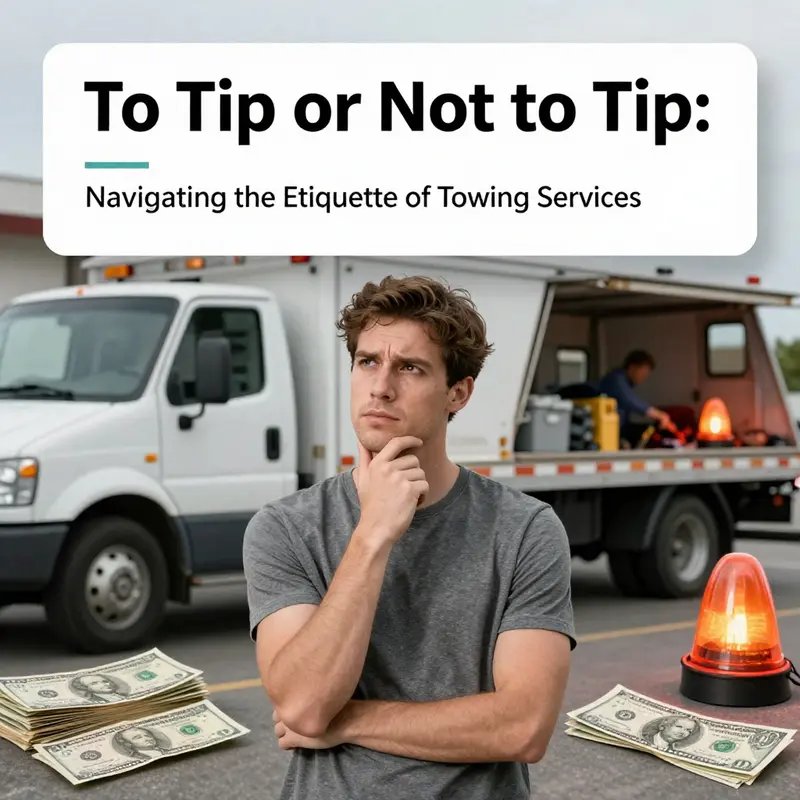
In the moment a tow becomes necessary, most people are distracted by the crunch of tires, the glow of hazard lights, and the urgent task of getting back on the road. The etiquette of tipping tow truck drivers sits in the background, often misunderstood, sometimes debated, but seldom central to the immediate need. The baseline truth is simple: tipping is not required for standard towing services. Tow trucks are professional vehicles, staffed by professionals who are typically paid by the hour or per job, and whose compensation is built into the service price. Yet, like many service interactions, tipping can become a meaningful gesture when a driver goes beyond the call of duty. This chapter unpacks how judgment, local norms, and the specifics of the situation shape whether a tip is appropriate, how much to offer, and how to handle the moment with dignity for everyone involved.
The decision to tip hinges largely on service quality and the particular pressures of the moment. If a driver communicates clearly in a tense scenario, explains the steps involved, and helps with tasks that extend beyond simply loading a vehicle, many people choose to recognize that effort with a tip. Consider a driver who keeps you informed during a stressful tow, offers practical help—like jump-starting a battery after a long tow, clearing snow from the vehicle, or guiding you through a fog of paperwork—and who remains courteous even when the situation is chaotic. Those small, thoughtful actions often leave a lasting impression and make the gesture of tipping feel like a natural expression of gratitude rather than a mandatory formality.
The level of difficulty and urgency also matters. A tow from a remote location, a tow conducted in freezing rain or heavy snow, or a service that stretches over several hours can demand unusual stamina and resourcefulness from a driver. In such cases, a tip becomes less about tipping as a rule and more about acknowledging the extra effort, the time, and the risk involved. The same applies when the tow requires special equipment, meticulous maneuvering in tight spaces, or navigating with limited visibility. Acknowledging the extra miles traveled, the extra risk endured, and the extra care taken with your property can guide whether a tip feels appropriate and how generous it should be.
Local customs and regional norms play a powerful, often underappreciated role. What feels expected in one city can be unusual in another. Some regions treat tipping for towing as a standard courtesy in certain high-stress circumstances, while others view it as optional or even discouraged by policy. This variability is not a failure of the system but a reminder that tipping etiquette travels as much as the tow truck itself. To navigate this landscape, you can lean on a combination of observation, local knowledge, and a focus on your own comfort and means. If you are a visitor or someone unfamiliar with local practice, a cautious approach is to follow the driver’s lead—notice whether a tip is declined politely, and consider asking discreetly if tipping is customary after the job, though many drivers will not expect you to ask. If the company explicitly discourages tipping, as some commercial outfits do, you should respect that policy and still express appreciation through a sincere thank you or a public compliment to the business when appropriate.
The type of towing service also influences expectations. Commercial towing companies are more likely to have formal policies that discourage tipping. Independent operators or smaller, owner-run outfits may be more open to tips and view them as a straightforward token of thanks. The dynamic here is not a moral judgment on either side but a practical difference in how compensation is structured and how much flexibility the driver or company might have in accepting gratuities. If you happen to work with a company that emphasizes standardized pricing and formal guidelines, you can still show appreciation in non-monetary ways—through a positive review, a note of thanks to the dispatcher, or a direct compliment that reinforces the value of the service. Those gestures are meaningful in a field where customer experience can directly impact a driver’s reputation and future opportunities.
Beyond the categories of service quality, difficulty, and local custom, the personal financial dimension cannot be ignored. Tipping should never become a burden. Your generosity should align with your own financial situation and the value you perceived from the service. In moments of heightened stress, the urge to reward extra effort can be powerful, but it must be balanced with practicality and fairness. If your budget is limited, a modest gesture, a succinct thank you, or a recommendation to others can still convey appreciation without creating pressure or awkwardness.
When it comes to a concrete recommendation, the core guideline remains sensible and flexible. Tipping is not a universal expectation in towing, and a tip of ten to twenty dollars—larger for exceptional outcomes—can be a meaningful way to acknowledge professionalism and extra effort. This range captures both the modest, everyday acts of courtesy and the extraordinary acts that can accompany a difficult rescue or a lengthy, arduous tow under challenging conditions. There is no one-size-fits-all rule, but this range provides a practical benchmark that aligns with the broader industry stance while leaving room for personal judgment.
To those who want a broader frame for their decision, it helps to anchor the practice in the realities of how towing work is compensated. Tow operators often rely on the volume of calls, the complexity of each job, and the unpredictable nature of emergencies. A tip, when offered, signals appreciation for a job well done rather than a requisition of better pay. It is a personal acknowledgment rather than a contractual obligation. In that sense, a tip communicates confidence in the driver’s handling of a stressful scenario and trust in their ability to navigate unexpected obstacles with steadiness and care. For many people, small acts of generosity are a reminder that the human side of roadside assistance remains essential, even as technology, dispatch systems, and insurance processes evolve.
The practicalities of giving a tip are not always spelled out in official guidance, and that is precisely why drivers, customers, and company policies sometimes disagree. While some official sources, including associations that oversee road services, suggest tipping is not customary for towing, many individuals still choose to express thanks when the service stands out. This divergence is not a contradiction but a reflection of the diverse realities on the ground: emergencies, weather, traffic, and the unique relationships people form with their local tow operators. If you are curious about broader standards, you can consult reliable industry references to understand why the stance exists and how it plays out in different communities. And if you want a practical, human-centered reminder of how tipping can fit into this world, consider the following: when a driver has helped you regain safety and mobility in the middle of a stressful event, a modest tip is less about the money and more about reinforcing the value of professional, courteous service.
For readers who want to see how these ideas translate into everyday practice, the experience of clients in various locales can offer a helpful lens. In some places, drivers appreciate a tip as a straightforward signal of gratitude for extra effort during an emergency. In others, customers might lean toward non-monetary recognition—public praise, word-of-mouth referrals, or a thank-you note to the company. Both paths honor the same underlying principle: acknowledge service that reduces risk, saves time, and eases a difficult situation. The aim is not to enforce a rigid standard but to empower people to make thoughtful, informed choices that reflect their circumstances and values.
If you want to explore a broader perspective or read more about towing industry practices and etiquette, you can turn to reputable industry resources and community conversations. For a broad, informative overview, you might start with The Island Tow Truck Blog, which offers practical insights and real-world perspectives on roadside assistance and the dynamics of helping hands on the road. the island tow truck blog.
As you digest these ideas, remember that tipping tow truck drivers is ultimately a personal decision anchored in service quality, situation difficulty, and regional norms. The core message remains consistent: tipping is not required, but it can be a meaningful expression of gratitude when a driver goes above and beyond under pressure. A tip, when given, should be a modest, thoughtful gesture aligned with your means and the level of service provided. If you choose not to tip, a sincere thank-you can still convey appreciation. If the company policy discourages tipping, honoring that policy while sharing positive feedback about the experience still supports good service and helps others in their future decisions. The most important outcome is to acknowledge the driver’s professionalism and to treat the interaction with respect and empathy, recognizing that roadside emergencies are stressful for everyone involved and a little acknowledgment can ease that burden for all.
For readers seeking a formal benchmark anchored in industry guidance, a reliable external reference is available through established road-service organizations. This external resource offers broader perspectives on tipping etiquette and service expectations in towing and related fields: https://www.aaa.com/.
Gratitude on the Road: When Tipping Tow Truck Drivers Makes Sense
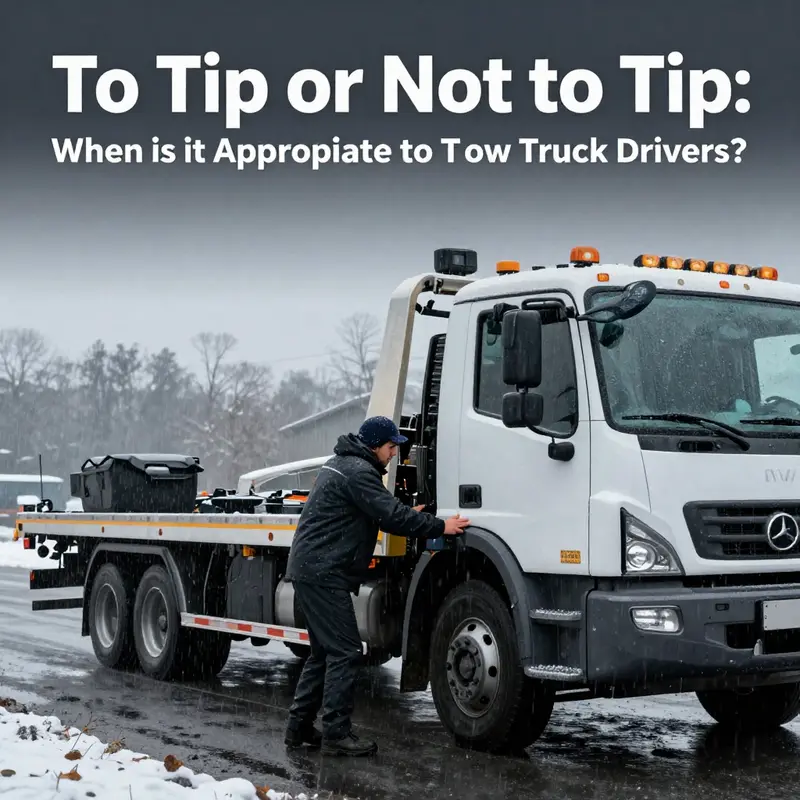
On a dark, crowded highway or a quiet suburban shoulder, a tow truck might be the last thing you expect to see. The moment a driver arrives to help, tension can turn to relief. It’s natural to wonder whether tipping is appropriate. The simple answer is that tipping is not a standard part of towing service in most places, and it isn’t required. Tow operators are professional service providers with fixed fees and regulated practices. Their compensation is built into the price you pay for the service, whether by hour or per job. This financial structure is designed to keep the service straightforward and predictable for customers and compliant with local rules. Yet life rarely follows a script, and there are moments when a gesture of appreciation can feel right, especially when the driver has earned it through extra effort.
Understanding why tipping isn’t a given helps frame the question for many drivers and customers. Tow trucking sits at the intersection of road safety, mechanical work, and logistics. The job demands quick thinking, careful handling of a potentially damaged vehicle, and the ability to communicate clearly with drivers, insurance adjusters, and garages. In a regulated environment, the fee you see is intended to cover the service, including the driver’s time, fuel, and any equipment used to secure the vehicle. While tips can be an expression of gratitude, they are not a means to reward quality that is expected by contract. Tipping, when offered, should be a voluntary extra rather than a tool to influence service quality, which could create a perception of favoritism or conflict of interest.
Regional norms further shape expectations. In many places, especially where towing is treated as a licensed, professional service with standardized pricing, tipping isn’t customary. Even where drivers go above and beyond, the policy is often to accept thanks rather than a tip, and to let the customer decide what is appropriate after the service is complete. In jurisdictions with formal licensing schemes—such as those that regulate tow operators and set minimum standards—drivers may carry out their duties under strict rules that emphasize safety and compliance over gratuities. The decisions about tipping can vary by country, state, or city, so it is wise to consider local customs and the practices of the tow company involved. Such variation means there is no universal rule you can apply in every situation; what matters is understanding the local context and the driver’s discretion, not an obligation on your part.
That said, there are situations where a tip can feel fitting. If a driver acts with exceptional care during a roadside emergency, helps you navigate insurance questions, or goes far beyond the call of duty to secure the vehicle in a hazardous setting, a small gratuity may acknowledge the extra effort. Consider cases where the driver stayed late to wait for a tow, explained the options without pressuring you into a particular choice, or offered practical help outside the core service—like helping with paperwork or coordinating with a rental car company. In such moments, the gesture is less about the amount and more about recognizing service that reduces fear and confusion at a critical time. If you decide to tip, keeping it discreet and voluntary helps preserve the integrity of the professional relationship.
For reference, a commonly suggested range is modest: around ten to twenty dollars, depending on your location, the complexity of the rescue, and the level of stress involved. This range reflects the reality that most towing services are priced to reflect the full package rather than a gratuity-based incentive. It is entirely acceptable to decline a tip if you feel the service was fair and the price was clearly communicated. The key is intention: tipping should express personal appreciation, not compensate for substandard service or to influence the driver’s performance. If you are unsure, a simple, sincere thank-you, along with a short note to the company praising the driver, can be equally meaningful. The capacity to demonstrate gratitude in different ways can preserve the spirit of the encounter without complicating the business transaction.
Beyond monetary tips, there are other impactful ways to acknowledge a tow truck driver’s effort. A positive online review can help the company and future customers, particularly after a particularly challenging recovery. A brief description of what stood out—professionalism, safety measures, clear communication—can guide others facing similar situations. Personal recommendations to family and friends may be more valuable than any cash gesture, especially if the driver’s service forms part of a larger emergency response plan. If you are part of a workplace fleet or maritime or island community, you may prefer to share your appreciation with the company’s leadership so that the driver’s commendable actions are recognized within the broader team. For readers who manage or operate fleets, the related article on essential fleet emergency response strategies offers practical takeaways on how to integrate towing into an effective response plan: https://theislandtowtruck.com/essential-fleet-emergency-response-strategies/.
Ethical considerations also matter. Tipping can be seen as a reward for service quality, but it can also create ethical concerns if not handled properly. Drivers are trained professionals bound by safety standards, insurance requirements, and company policies. A tip could, in some minds, be interpreted as an incentive to push a particular option or service, even unintentionally. To avoid confusion, many operators prefer to set clear expectations about cost and service in advance and focus conversations on safety, process, and outcomes. If a company has a policy against tips or asks customers to direct gratuities to charity, follow that policy to maintain professional boundaries. The safest approach is to treat tipping as a personal, optional expression of thanks rather than a requirement that injects extra cost into a standard service.
On a practical level, you can navigate tipping questions by asking yourself a few simple questions at the moment: Did the driver deliver on what was promised in terms of timing and safety? Did they provide extra help beyond the core service? Was the situation unusually stressful, making their support especially valuable? If the answers lean toward yes, a tip may be appropriate, but the decision should come after the service has concluded and the invoice has been reviewed. It’s also reasonable to ask yourself whether there’s a local guideline or whether the tow operator has posted a policy. Remember that tipping is not a universal expectation; it is a personal choice that reflects a momentary judgment about service quality in a high-pressure environment. Your approach should honor the principle that professional services come with fixed rates and professional responsibilities that guide both technician and customer alike.
Finally, consider the broader ecosystem in which tow trucks operate. The industry is heavily regulated to protect consumers and ensure consistent service standards. Licensing, auditing, and fee structures aim to keep costs predictable and transparent. In places like Western Australia, tow-truck operators must meet specific licensing and regulatory requirements, which shape how fees are calculated and how drivers interact with customers. Tips, while allowed in some contexts, may not align with the formal relationship established by the license holder and the regulatory framework. In most circumstances, tipping should be viewed as a voluntary expression of appreciation rather than a requirement that injects extra cost into a standard service. For official information regarding tow truck licensing and regulations in Western Australia, you can visit the authority’s page on tow trucks: https://www.dptw.wa.gov.au/vehicle-and-driver-licensing/tow-trucks
Gratuity at the Rescue: Deciding What, If Anything, to Tip Tow Truck Drivers
When a tow truck arrives, the moment can feel like a thin thread between crisis and relief. The engine sputters, the dashboard glows with urgent signals, and you are suddenly thrust into a knot of decisions under pressure. In that friction of the moment, the question of tipping can seem almost beside the point. Yet it lingers because manners, money, and gratitude intersect precisely where you need help the most. The verdict on tipping a tow truck driver is not a universal rule but a careful read of context, local customs, and the effort the driver has invested to keep you safe and on the move. In practical terms, tipping is not standard practice for most towing services. The service is typically priced as a professional transaction, with labor, equipment, and dispatch costs baked into the quote. Drivers are compensated by the hour or per job, and their remuneration is not tied to a gratuity in the way it might be in a restaurant or hospitality setting. That emphasis on professional pricing matters because it frames tipping not as a duty, but as a gesture of appreciation under specific conditions.
Still, life on the road can throw curveballs that redefine what counts as exceptional service. When a driver goes beyond the routine—when they navigate a difficult accident scene with care, stay until the job is safely completed in the middle of rain, snow, or ice, or lend a hand with tasks outside the typical tow, such as helping with paperwork or offering practical advice—gratitude becomes both reasonable and appropriate. It’s not that a driver expects a tip; it’s that a tip signals recognition for a job done well under pressure. This perspective aligns with the broader ethos around service gratuities: you respond to merit, not obligation.
A simple rule of thumb emerges from the general guidance you’ll encounter across reliable sources. Tipping between 15% and 20% of the total tow fee is a commonly cited range for discretionary gratuities. If you’re paying a $100 tow bill, a tip of $15 to $20 is a typical nod to solid service. This percentage-based framework helps you calibrate your generosity to the scope of the job. It also respects the integrity of the pricing that the towing company has provided. When the service is straightforward and the driver performs the basics capably, many people will opt to withhold a tip, recognizing that the company’s quoted price already includes labor and equipment costs.
Yet the needle moves with the complexity and urgency of the situation. For longer tows, or for work conducted in extreme weather, a tip closer to 20% or beyond can feel more fitting. If a motorist is stranded late at night or in a particularly hazardous setting, and the driver manages to restore mobility or safety with calm efficiency, a larger gratuity is a meaningful acknowledgment. The calculus also shifts if the driver has taken extra steps that extend beyond the call of duty. Perhaps they offered to stay late to secure the vehicle, or they helped you work through the paperwork necessary to process the tow with insurance or a rental company. In these moments, a tip is a tangible form of thanks for burden-bearing effort.
Beyond the amount, the act itself carries weight. Tips are an expression of appreciation, not a mandate. They acknowledge expertise, responsiveness, and a calm hand in stressful moments. For some people, a tip is a way to reinforce a sense of trust with a service provider who becomes a temporary ally when disaster strikes. Others prefer to withhold gratuity unless the service clearly exceeds expectations. Either approach can be appropriate, depending on the specific encounter and the local culture. The American Automobile Association’s guidance is clear on the point: tipping is not customary for towing services. Nevertheless, when service exceeds expectations, a small gratuity can be welcome and can help to recognize a driver who has made a difficult situation more manageable.
For readers who manage fleets or operate in areas where island logistics add an extra layer of challenge, there is value in thinking about gratuity alongside broader contingency planning. Towing often intersects with broader crises—car troubles when fuel is scarce, storms complicating transport, or rapid-response needs that require coordination with other responders. In these contexts, the monetary question becomes part of a larger assessment of how you allocate resources during an emergency. If you are responsible for a fleet, you may want to consider policy guidelines that reflect local norms, the typical service level you’ve experienced with your trusted providers, and the likelihood that a driver will go above and beyond in tough conditions. In such situations, acknowledging outstanding service with a gratuity remains a personal choice rather than a corporate obligation.
If you want a concrete framework to help decide in the moment, think in terms of merit and impact. Merit corresponds to the driver’s professionalism, courtesy, and efficiency under pressure. Impact considers how pivotal their actions were to your safety, timing, and ultimate outcomes. When merit and impact align—such as a weather-delayed tow completed safely, or a driver patiently explained the process to an anxious driver while updating the dispatch office—gratitude is reasonable and proportionate. A note of thanks can accompany any tip, particularly when a driver’s guidance helped you navigate insurance complexities, rental logistics, or documentation. In such cases, a brief, sincere acknowledgment goes a long way and leaves no ambiguity about the source of appreciation.
An important practical point concerns how you deliver the tip. If you’re paying by card, you can ask the driver whether gratuity is accepted by card or whether they prefer cash. Some companies have policies about tips or do not allow tipping on certain forms of payment; others welcome direct cash tips as a straightforward sign of gratitude. If you decide to tip in cash, you’ll want to keep it unobtrusive and respectful, placing it in a small envelope or simply handing it at the moment the job concludes. If you opt for a tip on a card, a tip amount should be entered clearly before the payment is processed, rather than adding an extra charge after the fact. Regardless of method, a brief word of thanks can be as meaningful as the tip itself.
For readers navigating the emotional terrain of an emergency, the suggestion that tipping is optional may feel unsatisfying. It’s helpful to reframe the moment as an exchange of acknowledgment rather than a transaction of gratitude alone. A tip is one channel for appreciation, but not the sole one. A positive review, a brief compliment to the dispatcher, or a direct, respectful note to the driver’s supervisor can amplify the same sentiment in a professional, non-monetary way. The goal is to recognize effort without creating a sense of obligation that could lead to discomfort or awkwardness in a crisis situation. In practice, many drivers appreciate feedback as much as money, because it reinforces their role in keeping people safe and mobile under pressure.
In reflecting on the broader culture of gratuities, the topic often returns to context. In some places, tipping is customary in analogous service sectors, while in others, it remains unusual for towing. Vehicle recovery in remote or high-risk environments may invite a more generous gesture, while routine, uncomplicated tows may not. If you are a frequent user of towing services, your own standards will gradually crystallize through experience, conversations with drivers, and disclosures from the companies you work with. The more transparent you are about expectations and the more consistent you are with your practices, the smoother these moments become.
For those who seek a longer lens on resilience and preparedness—especially fleet managers who must navigate unpredictable road conditions—the idea of tipping taps into the broader theme of emergency readiness. It’s not just about a dollar amount; it’s about the relationships you cultivate with service providers who hold a critical role in crisis response. The advisory to balance cost with appreciation aligns with a prudent, forward-looking approach to road safety and fleet reliability. If you want to explore more about how to build robust emergency protocols for island fleets, you can refer to resources dedicated to emergency preparedness and response strategies that address the unique challenges of island logistics. For readers interested in stronger continuity plans, see emergency preparedness for island fleets.
Ultimately, the decision about tipping a tow truck driver rests on a few clear anchors: the nature of the service, the driver’s conduct under pressure, and your own values as a motorist facing an unintended crisis. The most important takeaway is that tipping is a personal choice—not a rule etched in stone. If you decide that a tip is merited, a thoughtful range of 15% to 20% of the total tow fee often proves appropriate, with room for greater generosity when the service is notably challenging or transformative in how it alleviates your distress. If the service was straightforward and the driver delivered competent, courteous assistance without unusual complication, you may choose to decline a tip while still offering sincere thanks. Either way, the moment you acknowledge the driver’s effort contributes to a culture of professional care on the road, where the last mile of a tow can feel less lonely and more human.
External resources can provide additional guidance when you’re unsure what to do in the moment. For broader assurance about tipping norms and service expectations, the American Automobile Association offers guidance that tipping is not customary for towing services, though it is often welcomed when the service exceeds expectations. You can consult their official site for current recommendations: https://www.aaa.com.
Tow Truck Responders on the Front Lines: Safety, Service, and the Subtle Question of Tipping
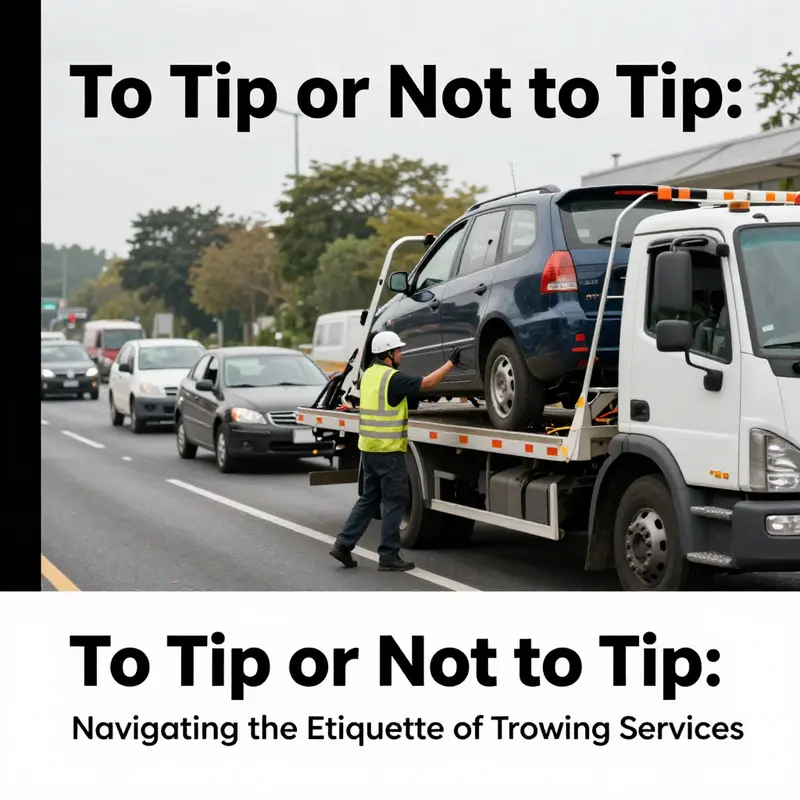
When a vehicle stalls on a rain-slick shoulder or a car sits crumpled in a dimly lit intersection, the tow truck that arrives is more than a roadside service. It is a moving fulcrum of safety, order, and human restraint in a moment of stress. Tow truck drivers operate in a space where speed, skill, and judgment converge under imperfect conditions. They must assess hazards, secure the scene, and determine the safest path to move a disabled vehicle out of traffic, all while surrounding drivers unfold from the next lane with caution. In this sense, they are among the quiet first responders who keep traffic flowing and prevent the kind of secondary incidents that often follow the original breakdown or crash. Their role extends beyond the simple act of towing; it often includes an array of roadside tasks that support drivers who are already dealing with fear, fatigue, or confusion. Jump-starting a battery, changing a tire in gusting wind, delivering fuel, or providing guidance about the next steps after an incident—these are not mere add-ons but core competencies that reflect a blend of technical expertise and situational empathy. The best tow operators approach each call with a calm, methodical demeanor, keeping their machines and the people around them safe while navigating the ever-changing rhythm of the road. In urban environments, where a single lane might determine the tempo of an entire neighborhood’s commute, their timely presence can sharply reduce gridlock and improve safety for other motorists caught in the same moment of need. In rural areas or on highways at night, their role grows more precarious, yet more essential, as they guide stranded drivers away from danger and toward a secure, well-lit space where help can arrive in earnest.
The breadth of a tow driver’s responsibilities becomes even more pronounced during extreme weather, when every decision is a balance between expediency and caution. Winter storms, for example, demand swift yet careful action: snow and ice complicate every maneuver, visibility is compromised, and the risk of slipping or colliding increases with every inch the tow truck travels. In such conditions, a driver’s professionalism—precise communication with dispatch, adherence to safety protocols, and the ability to adapt to rapidly changing road conditions—directly influences both the safety of the responders and the fortunes of the people awaiting help. In dense urban centers, the same professionalism helps prevent gridlock, enabling responders to move through congested corridors and free up arteries for emergency vehicles that may be further down the line. The collaboration between tow operators and public authorities is not incidental; it is a formalized partnership that recognizes the essential support role private fleets can play in a broader safety ecosystem. Transportation officials, police departments, and emergency management agencies often rely on established protocols to ensure that the tow industry’s resources are used efficiently, that incident scenes are secured quickly, and that traffic flow is restored with minimal disruption. This alignment helps ensure that one incident does not balloon into a cascade of secondary problems, compounding stress for everyone involved and complicating the work of public safety personnel who arrive later.
Against this backdrop, the question of tipping emerges as a practical, nuanced matter rather than a universal rule. The research consensus is clear: tipping is not a required or expected practice for standard towing services. Drivers are typically compensated through hourly rates or per-job fees, a model that reflects the professional, commercial nature of the work. This is different from industries where tipping has become part of the consumer culture, such as dining or personal services, where a gratuity is often woven into the social contract between customer and provider. Tow services are priced to cover labor, equipment, and overhead, and for many operators, tipping would blur lines of standard pricing rather than reward outstanding service. Nevertheless, there is room for discretionary generosity, particularly when the driver has delivered service that goes beyond the call of duty in a stressful scenario. A small gratuity, in the range of ten to twenty dollars, can be a meaningful token of appreciation when an operator has shown extra effort—perhaps by staying with a distressed driver through a complex process, offering essential advice during a confusing moment, or completing tasks that require more time and expertise than the average tow. The gesture, while welcome, remains situational and personal rather than obligatory; it should reflect the level of service rendered and the immediate context of the encounter.
These nuances are not merely matters of courtesy but of practical context. The social norms around tipping can vary by region, and some jurisdictions regulate tipping in commercial transactions in ways intended to avoid conflicts of interest or the perception of favoritism. In other words, the decision to tip should be tempered by local customs, the driver’s demonstrated care and competence, and the specific demands of the incident. An emergency scene demands a cool, thoughtful response, and tipping should never distract from safety, clear communication, or adherence to procedures. When a driver rises to the moment with discernible poise—calmly coordinating with other responders, providing reliable guidance in a high-stress situation, or delivering assistance that reduces the duration and danger of the incident—the value of their service can feel far greater than the price tag attached to the tow itself. In those moments, a modest tip can function not only as thanks but as recognition of the human stress and risk that accompanies roadside emergencies.
The literature and guidance from professional networks reinforce that tipping is discretionary and should be anchored in the quality of service. A few practical considerations help shape a responsible approach. First, acknowledge the regional Norms and company policies. If a company’s policy discourages tips or if local customs frown upon gratuities in commercial settings, a verbal message of thanks and a note to the company can carry meaningful weight without complicating the transaction. Second, consider the emotional and logistical toll of the incident. If the driver has spent substantial time with you, explained options clearly, and translated the jargon of the process into understandable steps, these are signs of exemplary service that deserve recognition. Third, reflect on the situational context. A long, resource-intensive tow in hazardous weather, or a multi-vehicle scene that requires the driver to stabilize, secure, and maneuver under constrained conditions, may justify a discretionary gesture from the beneficiary of that service. Finally, remember that the act of tipping is about appreciation more than obligation. A tip that is offered from genuine gratitude, rather than as a social expectation, can be both uplifting for the driver and validating for the customer who values competent, compassionate roadside assistance.
For readers who want to deepen their understanding of how tow operations integrate with broader emergency response strategies, practical considerations, and corporate coordination, there is a resource that frames these dynamics within a broader safety framework. The concept of essential fleet emergency response strategies outlines how fleets prepare, respond, and recover from roadside incidents, highlighting the coordination between private towing and public safety actors. This perspective helps contextualize tipping as a cultural signal rather than a procedural requirement, reminding readers that the primary objective in these moments is to restore safety and mobility as efficiently as possible. To explore these strategies in depth, you can visit the article on essential fleet emergency response strategies. (https://theislandtowtruck.com/essential-fleet-emergency-response-strategies/)
In the end, the question of tipping a tow truck driver is less about a universal rule and more about a thoughtful appraisal of service, circumstance, and local norms. It is about recognizing that the value a tow operator provides is multi-dimensional: technical skill, risk management, compassionate communication, and the capacity to steady a stressful moment while preserving safety for everyone around. It is about understanding that the job blends professional duty with personal resilience, and that the most meaningful acknowledgments come when the service exceeds what is expected in that moment of need. While tipping is not customary in the towing industry, a considered gesture of appreciation—whether in currency, a word of thanks, or constructive feedback to the company—can convey genuine gratitude without compromising the clarity of the professional relationship or the integrity of the service itself. And as you navigate the road, remember that the most important form of support you can offer is straightforward: respect for the operator’s expertise, patience with the process, and vigilance for everyone’s safety.
For those who seek official guidance on industry standards and the broader context of towing and fleet management, the National Association of Fleet Administrators provides a framework of guidelines and best practices that underpin professional, safety-focused practice within the field. These resources can offer a broader lens for understanding how tow professionals fit into the larger ecosystem of road safety and emergency response. https://www.nafa.org
Final thoughts
Understanding whether to tip a tow truck driver is more than about monetary exchange; it’s about recognizing the critical service they provide, especially during stressful automotive mishaps. By exploring the norms, decisive factors, appropriate scenarios, and tipping amounts, you empower yourself to appreciate their hard work genuinely. Ultimately, let your judgment reflect both community standards and personal gratitude as you consider your actions when faced with needing towing assistance.