Understanding whether to tip a tow truck driver can be confusing, especially when each situation is unique and influenced by local customs. For businesses and individuals interacting with tow truck services—such as local auto repair shops, dealerships, property managers, resort operators, and commercial fleet operators—knowing the nuances of tipping etiquette is crucial. Each chapter of this piece will delve into different aspects of tipping a tow truck driver, ultimately painting a clear picture on when it’s appropriate to show appreciation and how to do it effectively. By the end, readers will be equipped with the knowledge to make informed decisions that reflect their values and respect local practices.
Do I Tip a Tow Truck Driver? A Practical Guide
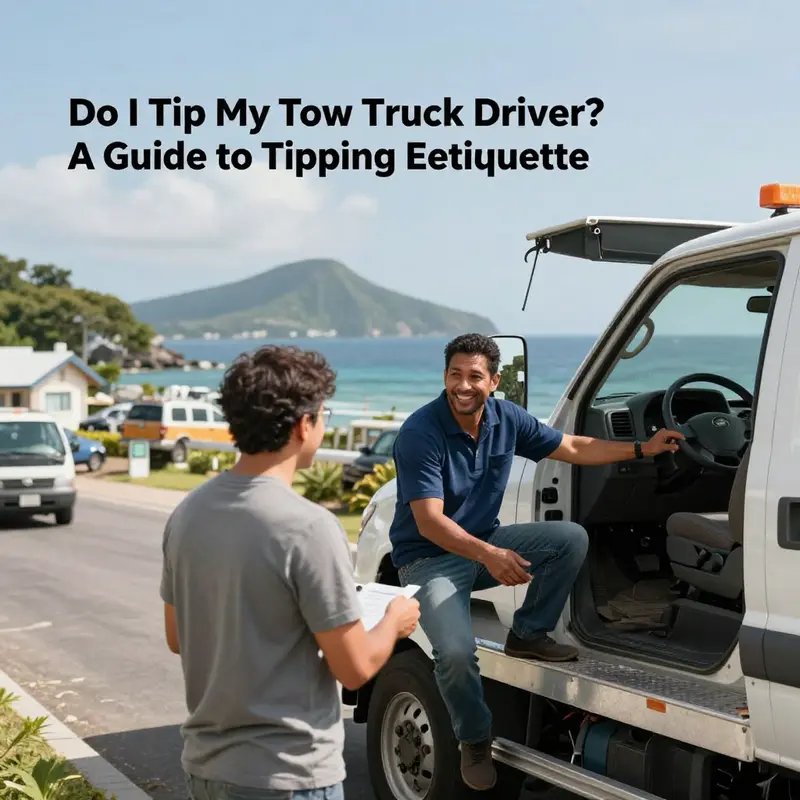
When a tow arrives, tipping is not universally expected. Tipping practices vary by local norms and company policy. Tow operators are typically paid by the job or by the hour, and a gratuity is often optional. If the driver goes above and beyond—safety guidance, careful handling of the vehicle, clear explanations, or difficult recoveries—a modest tip can be a meaningful expression of appreciation. Before tipping, check the company policy; some firms discourage tips to avoid compensation ambiguities. If tipping is permitted, cash is the common method, handed at the end of service. Alternative forms, like digital payments, may be accepted if offered by the driver. If tipping is not possible or permitted, a sincere thank-you or a public review can also convey gratitude. In the end, the decision should reflect the service provided, your local norms, and respect for any stated policies.
Tow-Tip Dilemmas: Reading the Moment, Respecting Policy, and Gratitude on the Road
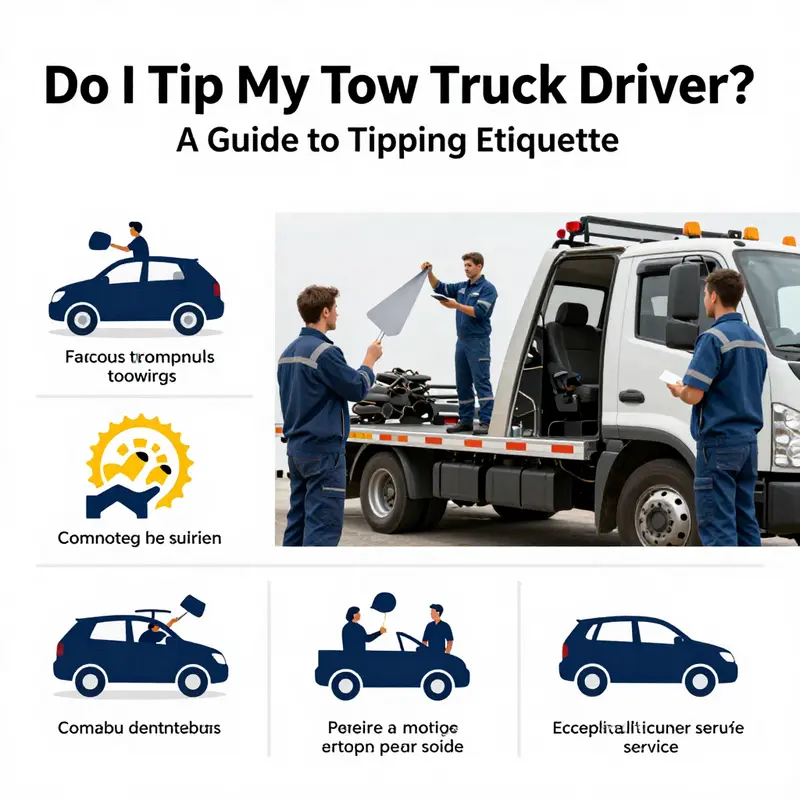
When you’re stranded on the roadside, the last thing you want is more stress. Tow-truck moments put you in a vulnerable position, and deciding whether to tip can feel tricky. In most cases tipping a tow truck driver is optional rather than required. The right approach is to read the moment, check local norms and company policies, and choose a gesture that reflects the service you received. Tipping is a small, voluntary expression of appreciation—not a wage supplement or a test of value.
A few factors shape the decision: the quality of service, the driver’s communication, and care taken with your vehicle. If the driver arrives quickly, explains the steps, helps locate items inside your car, or offers practical advice for next steps, a modest tip (think around $5-$20, larger for exceptional effort) can feel appropriate. The gesture matters as a signal of gratitude, especially when emotions run high in urgent situations.
Local norms and company policy matter a lot. In some areas tipping is common; in others it isn’t, or some companies discourage tips to maintain even pay. If you’re unsure, ask the dispatcher or driver about tipping expectations. If tipping isn’t appropriate, a sincere compliment, a positive review, or a note to the company can convey appreciation without crossing policy lines.
If you’re uncertain, ask yourself: was the service ordinary or extraordinary? Did the driver stay professional under pressure? If the answer leans toward extraordinary, and there’s no policy against tipping, a discreet tip is reasonable. If not, a verbal thank-you or a positive online review can still acknowledge good service. The core idea is to respect policy, recognize genuine effort, and avoid implying a wage expectation.
Tow Truck Etiquette: When a Tip Helps, When It Isn’t, and How to Show Genuine Gratitude in a Roadside Moment
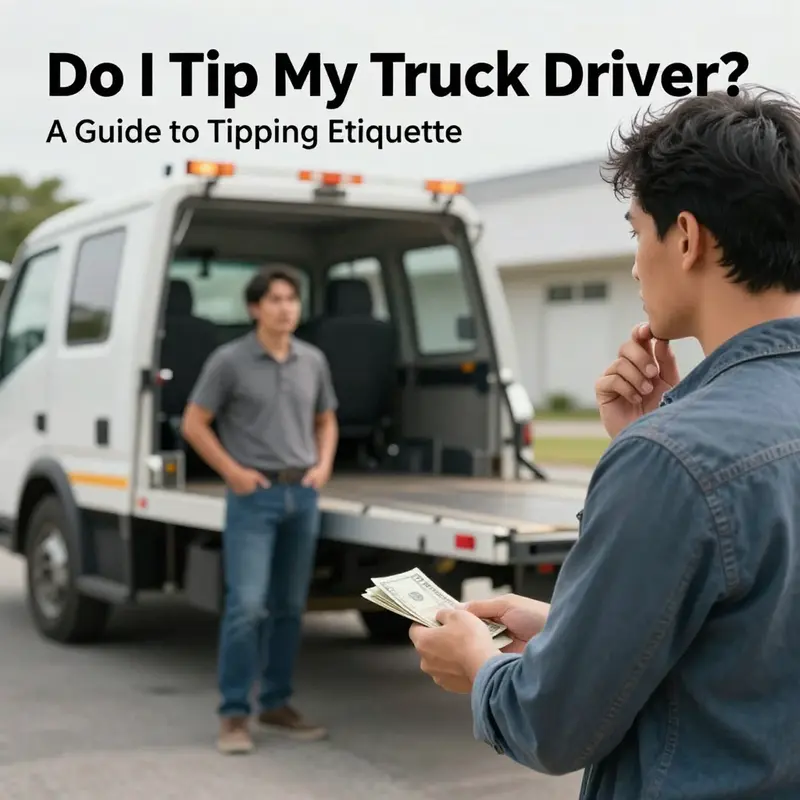
A roadside moment unfolds with the same tension whether you’re in a crowded city or between fields along a country road: a car that won’t start, a hook-up under flashing lights, and a driver who arrives with calm expertise to restore momentum. In those minutes you are not just a passenger in a vehicle you own; you are a recipient of a service that blends mechanical know-how with interpersonal precision. It is in this precise blend that tipping becomes more than a simple transaction. It sits at the crossroads of local practice, company policy, and the human response to relief after a stressful ordeal. The decision to tip or not tips into a broader conversation about how we acknowledge good work when it does not appear on a menu or a receipt. Tow truck work is, at its core, professional service, and gratitude expressed at the right moment can reinforce trust, clarity, and good will between customer and service provider. Yet it remains true that tipping is not a universal rule for tow services. The job is a paid service, the driver is there to perform a specific task, and the customer’s primary obligation is to consent to the service, provide essential information, and pay for the agreed-upon price. In many places, tipping is optional rather than expected. In others, it is discouraged or restricted by company policy to keep compensation transparent and to prevent confusion about who pays whom when a driver stops by and a bill is presented. That friction between custom and policy accounts for much of the confusion people feel in the moment. What to do, when to do it, and how to express appreciation in a way that respects the professional relationship is a question that deserves careful consideration rather than a reflexive gesture. When you unpack the reasons tips are given, you find that the most meaningful gestures are tied to moments of exceptional service rather than routine tasks. The driver who arrives quickly in bad weather and a tense situation, who explains what they will do and why, who keeps you informed as the plan evolves, and who completes the operation with minimal risk to your vehicle and to the driver’s own safety, is the driver who earns more than a simple nod or an offhand praise. This is not about a tip as a bribe or a social obligation; it is about a tangible form of recognition for problem-solving under pressure. It is about acknowledging that a skilled professional invested time and effort when you needed it most. And it is about understanding that the act of tipping, even when optional, carries a social meaning: you are communicating that the exchange of labor for payment was not merely transactional, but also human and respectful of the burden carried by the person who stood between you and a more difficult outcome.
The practical question to answer, then, is not whether tipping is always required, but when and how to tip in a way that aligns with context. The standard answer in many consumer guides is that tipping is not expected for routine towing. A straight, straightforward tow from point A to point B, performed efficiently and without incident, often does not require a gratuity. In such cases, a courteous thank-you can be enough, particularly if the driver has explained the plan and completed the job promptly. Where tipping becomes reasonable is when the service extends beyond the basic expectation. This includes scenarios where the driver handles a potentially dangerous situation with composure, where they perform extra work to protect your vehicle from damage, or where they stay late or beyond the call to coordinate next steps for repair, storage, or recovery. In those moments, the tip acts as a tangible token of appreciation for the additional effort and attention to safety. A common guideline that surfaces across consumer resources—five to twenty dollars—reflects the idea that tipping should scale with complexity and time spent. A quick, uncomplicated tow might justify a modest tip, while a demanding recovery, a recovery from snow or mud, a long-distance tow, or a situation that required specialized equipment easily justifies tipping toward the higher end of the range. Yet these guidelines are meant to be flexible, not rigid, and they always must be tempered by the driver’s behavior, the company’s policy, and your own circumstances.
The driver’s demeanor matters as much as the technical skill. A professional who communicates transparently, who explains the steps and checks in to confirm that you are comfortable with the plan, and who remains calm in the face of difficulty, earns trust beyond the moment’s immediate needs. The sense of security that comes from a driver who treats your property with care and who won’t rush you into decisions is itself valuable. When a driver takes time to discuss alternative options, such as whether your vehicle should be stored, to coordinate with a repair shop, or to help you understand what your insurance or roadside assistance covers, they add a layer of service that makes the experience less fine and more humane. It is this combination of technical skill and thoughtful communication that often prompts people to offer a tip not as a requirement but as a genuine expression of gratitude for a job well done under pressure. Conversely, when the service is simply competent and straightforward, tipping remains optional and perhaps even unnecessary. The key is to avoid pressure or guilt and to honor local norms and company rules.
A fair consideration in any tipping decision is to check the policy of the towing company. Some companies explicitly discourage tipping or even prohibit it as part of their compensation structure. Others allow it but recommend doing so only in certain ways or under certain circumstances. If a dispatcher or driver indicates that tipping is discouraged, the prudent path is to refrain from tipping and to express appreciation through other channels, such as a kind word, a positive online review, or a direct note to the company praising the driver’s performance. In cases where tipping is allowed, a tip should be finalized only after the service is completed and you have a clear sense of the driver’s performance. You should choose a method that aligns with the company’s practices and, if possible, your own means at that moment. Cash is often the simplest and most direct method, particularly when the driver remains on site to complete the round of paperwork and ensure the vehicle is secured. If the job has consumed more time than anticipated or required significant extra effort, you may increase the tip accordingly. If you prefer not to pay cash on the spot, and the company accepts tips through the payment system, a tip added to the card can be convenient, though you should confirm that this option is acceptable given the policy and the equipment available on site. There is always the risk that a tip could create confusion or even a conflict with how the driver is compensated, which is why a tip should be offered with clarity and consent, not as an obligation.
The forms of appreciation beyond cash tips deserve attention too. In many cases a well-placed thank-you goes a long way, but so can a brief, positive review online or a recommendation to friends and family. If you decide to leave a review, be specific about what the driver did that stood out. A review that highlights the driver’s professionalism, their promptness, the care they took with your vehicle, and their willingness to explain options can help the driver gain future clients and can shape the policies of the company to reflect the value of high-quality service. For those who want to explore more about tipping etiquette and related roadside assistance questions, you can read further on the Island Tow Truck blog, which routinely covers practical guidance for drivers, dispatchers, and customers alike. The article offers a grounded, real-world perspective that aligns with the everyday experience of encountering a tow on the road. the Island Tow Truck blog.
In the rare cases where tipping is explicitly discouraged, it is still often possible to show appreciation in non-monetary ways that carry real weight. A sincere, respectful expression of thanks can ease tension and reinforce a positive working relationship for future interactions. A note to the company manager praising the driver can be particularly meaningful, especially if you mention the driver by name and describe the specific aspects of the service you found valuable. If you are in a position to do so, offering to refer the company to friends or colleagues who might need help in similar situations is another practical form of recognition. In any case, the core idea is to preserve the dignity and boundaries of the professional relationship while still acknowledging the extra effort that contributed to a safer and less stressful experience for you.
From a broader perspective, tipping is a social signal that has grown out of a system in which skilled labor is valued not only for the outcome but for the human care invested in the process. A tow driver’s work sits at the intersection of technical mastery and situational judgment. Decisions about vehicle safety, route selection, equipment use, and hazard management all unfold within a pressure-filled environment where missteps can escalate risk. In those cases, gratitude expressed at the right moment acknowledges not just the end result but the process that made it possible to reach that result with confidence. It is the difference between feeling like you were simply helped to a destination and feeling like you were supported by someone who understood the stakes of the moment and who chose to act with deliberate care. It is a form of social contract in which good service is recognized, and trust is reinforced for the next time you might need similar help.
In summary, tipping a tow truck driver is neither a universal obligation nor an outright prohibition. It is a nuanced choice that should be guided by the driver’s conduct, the complexity of the job, and the policies of the company involved. If the service is routine and straightforward, a polite thank-you and a nod are perfectly acceptable. If the driver goes beyond the expected—helping with a difficult recover, staying late to ensure your car is secure, or offering practical guidance for next steps—a tip in the range of five to twenty dollars, adjusted for time and effort, is a reasonable gesture. In cases of extra complexity or risk, you may consider a higher amount within that range. Always verify policy when possible, respect the driver’s preferred method of receiving gratuity, and remember that non-monetary expressions of gratitude can also be powerful. Tipping, at its best, is a small but meaningful acknowledgment that the roadside moment was more than just a service call. It was a moment of trust, safety, and relief, delivered by a professional who earned your respect through competence and care.
For a practical overview of tipping etiquette related to roadside assistance, see The Balance’s guide on tipping tow truck drivers. It offers a concise framework for deciding when a tip is appropriate and how much to give, grounded in real-world scenarios and industry norms. https://www.thebalance.com/tip-tow-truck-driver-4769831
Final thoughts
Navigating the question of whether or not to tip a tow truck driver can be challenging, especially given the variety of circumstances and regional practices. It’s clear that in most situations, tipping isn’t customary due to the commercial nature of the service. However, expressing appreciation for exceptional service can foster goodwill and encourage outstanding performance from drivers. By evaluating factors such as the complexity of the job, the time of service, and individual corporate policies, you can make a choice that aligns with local customs and personal values. Ultimately, the decision should feel right for you while respecting the context of the service provided.