
In today’s fast-paced economy, the significance of supporting local businesses cannot be overstated, especially within the trucking industry. Derrick Wolfe Trucking serves as a prime example of how one man’s vision can transform a modest operation of a single truck into a robust fleet of nearly 30 vehicles in just eight years. This inspiring growth story is not merely about numbers; it symbolizes the dedication to community involvement and employee welfare that drives success. By prioritizing relationships with his drivers and actively participating in their lives, Derrick Wolfe has cultivated a workplace where loyalty and morale thrive. As more people recognize the impact of nurturing local enterprises like Derrick Wolfe Trucking, they not only contribute to economic development but also help forge a stronger, interconnected community. Join us in exploring how supporting local trucking businesses can pave the way for enduring benefits, not just for their growth, but for the well-being of our communities as a whole.
Community Engagement in Local Trucking Business: Addressing Industry Challenges
The story of Derrick Wolfe Trucking exemplifies the transformational impact that dedicated community engagement can have on a local trucking business. As this company grows, it prioritizes not only expansion but also actively addresses the trucking industry challenges it faces.
Initially starting as a single truck operation, Derrick Wolfe demonstrated vision and resilience, laying the groundwork for a thriving business that now boasts nearly 30 vehicles in just eight years. This impressive growth can be attributed to strategic community involvement and a steadfast commitment to employee engagement.
Confronting Trucking Industry Challenges
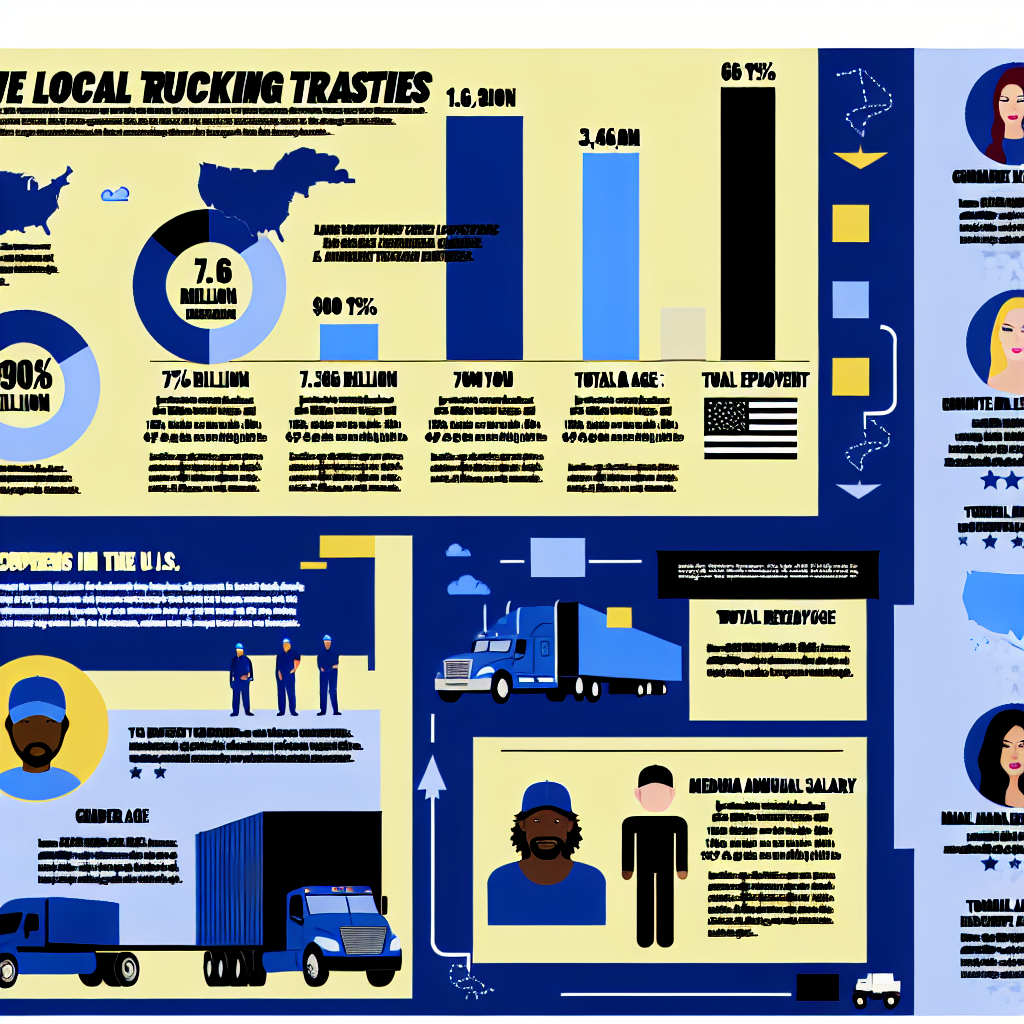
The local trucking business is currently navigating several significant challenges that directly hinder operational efficiency and employee retention.
- Driver Retention: The industry faces an alarming turnover rate that often exceeds 90%. Factors like demanding job conditions and fierce competition for talent contribute to this crisis. To combat these issues, Derrick Wolfe Trucking emphasizes competitive compensation packages and personalized experiences, enhancing driver satisfaction and loyalty.
- Cost Management: Rising operational costs pose another hurdle, with trucking companies now facing an average of $2.27 per mile in expenses. Fuel prices play a significant role in this increase, prompting local trucking businesses to strategize cost mitigation effectively. Derrick Wolfe Trucking leverages fleet management technologies to optimize routes and decrease fuel consumption, ultimately improving budget sustainability.
- Regulatory Compliance: The trucking sector is fraught with stringent regulations that can impact operational viability. Wolfe’s proactive compliance management ensures adherence to federal and state regulations, thus protecting the company from potential penalties and enhancing its reputation.
Community-Centric Growth Strategies
Derrick Wolfe’s model demonstrates how community engagement is integral to overcoming trucking industry challenges. The company actively advocates within local associations, such as the Trucking Association of New York, thereby enhancing its reputation while fostering good community relations. Additionally, Wolfe’s hands-on approach—frequently driving alongside his team—helps him better understand their needs, creating a supportive atmosphere where employees feel valued.
As Derrick Wolfe Trucking continues to align its growth strategies with local business interests, it exemplifies that by engaging with the community and addressing industry-related challenges head-on, success in the trucking business is achievable. This commitment not only benefits the company’s expansion but also strengthens the overall economic fabric of the community it serves.
Benefits of Community Involvement for Local Trucking Businesses
Community involvement provides numerous advantages for local trucking businesses like Derrick Wolfe Trucking, significantly impacting their success and growth. Here are the key benefits that highlight the importance of being engaged within the community:
-
Enhanced Brand Awareness and Trust
Derrick Wolfe Trucking’s active participation in local associations and events cultivates trust and visibility within the community. Building a positive reputation through engagement can enhance customer perceptions and strengthen business relationships.
-
Increased Customer Loyalty
By demonstrating a commitment to the community’s well-being, trucking businesses can foster customer loyalty. Studies show that consumers are more likely to support companies that contribute to local causes, impacting their purchasing decisions favorably.
-
Positive Economic Impact
Local trucking companies support economic traffic by efficiently transporting goods, enabling local businesses to reach broader markets. Their involvement can stimulate job creation and contribute to the economic health of the community.
-
Improved Employee Morale and Retention
Engaging in community activities enhances employee satisfaction and pride in the workplace. When employees feel connected to a socially responsible organization, they are more likely to remain loyal and engaged in their roles, as seen in Derrick Wolfe Trucking, where employee-driven initiatives foster a positive workplace environment.
-
Competitive Advantage
Businesses that are active in their communities are frequently perceived as more relatable and trustworthy. This competitive edge arises from the strong relationships formed by being part of the local fabric and the resulting customer preferences for supporting such businesses.
By adhering to community engagement principles, as exemplified by the practices of Derrick Wolfe Trucking, companies can significantly benefit from a loyal customer base, strong employee ties, and a positive brand reputation. These factors not only drive growth but also contribute to the overall betterment of the communities in which they operate.
Employee-Centric Practices
Derrick Wolfe’s approach to driver satisfaction emphasizes the importance of employee-centric policies within his trucking operation. He understands that a satisfied driver leads to better performance and retention. One of the standout features of his management style is the customization policy for trucks. Every five years or after reaching 500,000 miles, drivers have the opportunity to personalize their trucks. This policy not only allows drivers to make their vehicles feel like their own but also enhances their job satisfaction and sense of ownership.
Wolfe acknowledges this sentiment, stating,
“It’s really simple, but a lot of companies get that part wrong.”
By allowing drivers to choose truck features, he invests in their comfort and pride in their work, fostering a positive work environment.
In addition to truck customization, Wolfe prioritizes competitive compensation structures. Company drivers can earn a percentage of freight rates, starting at 26% and capping at 28%. This structure motivates drivers and aligns their interests with the company’s success. Furthermore, his commitment to employee wellness is evident in his generous benefits offerings, which include multiple health insurance options and 401K matching, ensuring that his drivers are well taken care of.
Derrick Wolfe’s belief in getting to know his drivers personally also plays a significant role in his employee-centric approach. Wolfe states,
“I take the time to know their families, to know their hobbies, what makes them tick, what they like and what they don’t like.”
This personal connection not only builds trust but also creates a supportive workplace where drivers feel valued and understood.
Through these employee-centric practices, Derrick Wolfe Trucking illustrates how focusing on driver satisfaction can lead to a thriving business built on loyalty and commitment.
| Company Name | Health Insurance Benefits | Profit-Sharing/Retirement Plans |
|---|---|---|
| Derrick Wolfe Trucking | Multiple health insurance options and 401K matching. | Percentage of rates for drivers starting at 26%, up to a cap of 28%. |
| Mayer Bros | Offers health insurance, dental insurance, vision coverage, health screenings, life insurance, and disability insurance. Source | Provides a 401(k) plan, paid time off (PTO), guaranteed home time, flexible scheduling, dedicated routes, paid CDL training, ongoing training, deadhead compensation, sign-on bonus, and safety bonus. Source |
| Willow Run Foods, Inc. | Provides health insurance, dental insurance, vision coverage, gym membership, and disability insurance. Source | Offers a 401(k) plan, PTO, guaranteed home time, flexible scheduling, dedicated routes, truck lease-to-purchase program, ongoing training, deadhead compensation, sign-on bonus, and safety bonus. Source |
| Ginsberg’s Institutional Foods | Offers health insurance, dental insurance, vision coverage, health screenings, life insurance, and disability insurance. Source | Provides a 401(k) plan, PTO, guaranteed home time, flexible scheduling, dedicated routes, paid CDL training, ongoing training, deadhead compensation, sign-on bonus, and safety bonus. Source |
This table summarizes the health insurance options and profit-sharing models offered by Derrick Wolfe Trucking compared to some local competitors in New York State. It emphasizes the employee-centric nature of Derrick Wolfe Trucking’s policies, highlighting its commitment to driver welfare and satisfaction. Additionally, it includes insights into the broader industry benefits that competitors in the region typically offer, painting a clear picture of the local trucking landscape.
Significance of Driver Retention in Trucking
Driver retention is a critical factor in the success of trucking companies like Derrick Wolfe Trucking, particularly amid the challenges faced by the broader industry. As the trucking sector grapples with a high turnover rate—around 90%—the importance of retaining qualified drivers cannot be overstated.
Cost Implications of High Turnover
The financial implications of driver turnover are substantial. Replacing a driver can cost anywhere between $2,243 and $20,729 when accounting for recruitment, training, and onboarding processes. This not only strains operational budgets but also disrupts productivity, resulting in potential revenue losses due to reduced capacity. New drivers are also less experienced, leading to higher maintenance costs from mishandling equipment. Furthermore, with new drivers facing significantly higher accident rates, companies risk their safety records and reputations, which are pivotal in securing customer trust and satisfaction.
Challenges Faced by the Industry
The trucking industry faces several challenges that make driver retention even more significant:
- Inadequate pay and unrealistic promises lead to dissatisfaction, urging drivers to leave for better opportunities.
- Limited parking and rest facilities exacerbate driver stress, making it hard to comply with regulations and leading to burnout.
- Insufficient home time affects work-life balance, pushing drivers away from companies that do not accommodate their personal needs at home.
Wolfe stands out in this competitive environment by not only focusing on competitive pay but also implementing strategies such as truck customization every five years, fostering an environment of ownership and satisfaction among drivers. With a pay structure where drivers earn a percentage of freight rates starting at 26%, Wolfe ensures that his drivers feel valued and integral to the company’s success.
Driver-Centric Culture at Derrick Wolfe Trucking
Derrick Wolfe’s commitment to knowing each driver personally—from understanding their family dynamics to engaging with their hobbies—has built a strong sense of loyalty within his team. By offering multiple health insurance options and 401K matching, he reinforces a culture of care that translates into lower turnover rates. This approach not only enhances employee morale but creates a ripple effect through the company, showcasing an efficient operation driven by satisfied drivers.
Conclusion
In sum, driver retention emerges as a significant concern amid the broader challenges confronting the trucking industry. Companies like Derrick Wolfe Trucking exemplify the benefits of prioritizing driver satisfaction—reducing costs, enhancing reputation, and ultimately leading to sustainable growth. In a climate where the demand for skilled drivers outpaces supply, investing in retention strategies will set leading companies apart from their competitors.
Future Prospects
As Derrick Wolfe Trucking looks towards the future, sustaining its remarkable growth will hinge on a few critical strategies that align with industry trends and the needs of local businesses. Derrick Wolfe emphasizes the importance of continuing to foster strong partnerships within the community. “Supporting local businesses is not just good practice; it’s essential for mutual growth,” he believes.
Adaptation to Industry Changes
The trucking industry is rapidly evolving, with predictions of an annual growth rate of 4.8% from 2023 to 2030. This growth is driven by an increase in e-commerce and infrastructure development. To navigate these changes, Derrick Wolfe Trucking plans to expand its service offerings and invest in technology to enhance efficiency. Innovations such as AI and semi-autonomous vehicles could enhance logistical operations, streamline delivery processes, and address driver shortages.
Commitment to Sustainability
With new regulations underway aimed at reducing emissions, the trucking industry must prioritize eco-friendly practices. Wolfe envisions integrating green technologies to meet compliance while also appealing to environmentally-conscious clients. “By prioritizing sustainability, we can reduce our carbon footprint and provide a service that resonates with modern values,” Wolfe states.
Employee Wellness and Retention
The emphasis on employee-centric practices will also remain a cornerstone of Derrick Wolfe Trucking’s strategy. Wolfe continues to advocate for the well-being of his drivers, understanding that a satisfied workforce drives operational success. Preparing for challenges such as high turnover rates in the industry, which currently hovers around 90%, Wolfe is committed to enhancing benefits and promoting a culture that values every team member.
Conclusion
In summary, Derrick Wolfe Trucking is poised to leverage its strong community ties, adapt to technological advancements, and prioritize sustainability and employee well-being. As the trucking industry faces both challenges and opportunities, Wolfe’s forward-thinking approach will be crucial for ensuring the company’s sustained growth and continued support for local businesses.
In conclusion, Derrick Wolfe Trucking stands as a testament to the profound impact that local businesses can have on their communities when they prioritize growth, employee welfare, and community engagement. Through Derrick’s unwavering commitment to understanding and supporting his drivers, as well as his active participation in local initiatives, the company showcases that true success transcends mere profit margins.
It is about cultivating a thriving community where employees feel valued and supported, ultimately leading to sustainable growth. As we look to the future, let Derrick Wolfe Trucking inspire us all to bolster our local businesses, fostering connections and collaboration that can uplift our communities. Together, we can create an environment that nurtures innovation, loyalty, and shared success, reminding us that when local businesses thrive, we all benefit.
Let us rally behind our local champions and be the change-makers in our neighborhoods, ensuring a brighter, more prosperous tomorrow for everyone.
Overview of Trucking Industry Challenges
The trucking industry is currently grappling with a range of challenges that significantly affect local companies, such as Derrick Wolfe Trucking. Key issues include driver retention, cost management, and regulatory compliance.
Driver Retention
One of the foremost challenges faced by the trucking sector is the ongoing shortage of qualified drivers, with estimates suggesting a gap of approximately 60,000 drivers by 2024. High turnover rates, often exceeding 90%, drive up recruitment and training costs, straining operational budgets. Factors contributing to this crisis include an aging workforce, demanding job conditions, and fierce competition from other industries.
Derrick Wolfe Trucking tackles the driver retention issue by offering competitive compensation packages, which include a pay percentage starting at 26%, providing drivers with a vested interest in the company’s success. Coupled with initiatives such as personalized truck selection every five years or upon reaching 500,000 miles, Wolfe fosters a sense of ownership and pride among his team, translating into better retention.
Cost Management
Operational costs have surged to unprecedented levels, with average expenses hitting $2.27 per mile in 2023. Rising fuel prices, accounting for a significant portion of these costs, compound the financial strain on trucking companies. In fact, 96% of fleets have reported needing to reduce costs in other areas to offset these increased expenses.
Derrick Wolfe Trucking mitigates cost through strategic investments in fleet management technologies that enhance efficiency and communication. By utilizing advanced GPS tracking and optimized route planning, the company minimizes fuel consumption, thus controlling operational costs more effectively. This proactive approach not only helps manage expenses but also ensures timely deliveries, contributing to client satisfaction.
Regulatory Compliance
The regulatory landscape for trucking is complex and ever-evolving, with federal and state regulations that encompass safety standards, environmental guidelines, and cross-border operations. Non-compliance can lead to severe penalties and increased insurance costs.
Derrick Wolfe Trucking addresses regulatory challenges through proactive compliance management strategies. The company leverages compliance software that assists in maintaining adherence to regulations, conducting regular audits to prevent costly penalties. By doing so, Wolfe not only protects his company from potential fines but also enhances its reputation for reliability and professionalism in the industry.
Conclusion
In summary, the trucking industry faces considerable challenges that affect local businesses like Derrick Wolfe Trucking. By prioritizing driver retention through competitive pay and personalized experiences, effectively managing operational costs with advanced technologies, and ensuring regulatory compliance through diligent management practices, Derrick Wolfe Trucking exemplifies how local companies can survive and thrive in a tough environment. Emphasizing these strategies showcases not only resilience but also the potential for sustainable growth in an ever-demanding industry.
Relevant Studies and Articles on Employee Retention in Trucking
-
Shared Hardships Strengthen Bonds: Negative Shocks, Embeddedness and Employee Retention
This study analyzed data from 21 trucking companies, revealing that equipment-related challenges can unexpectedly increase employee retention. Such hardships foster stronger bonds between employees and the organization, enhancing commitment.
Source: arXiv, Date: March 29, 2024 -
Examining Health, Safety, and Retention Among Truck Drivers
Research funded by the University of Iowa investigated the interplay between health, safety, and turnover in the trucking sector. Recommendations include integrating health and wellness into training and fostering driver-dispatcher relationships.
Source: Healthier Workforce Center of the Midwest -
Strategies for Retaining Employees in the Trucking Industry
This doctoral study explored improved working conditions, fostering a supportive work environment, and understanding employee sentiments as key themes for enhancing driver retention.
Source: Walden University, Date: 2021 -
Examining Driver Turnover and Retention in the Trucking Industry
This research reviewed the origins and evolution of driver turnover studies, evaluating the nature of turnover and defining problems associated with retention in the trucking industry.
Source: Center for Intermodal Freight Transportation Studies, Date: March 1, 2009 -
The Persistent Driver Retention Problem
This analysis highlights that the trucking industry’s labor challenges are primarily due to retention issues rather than a driver shortage, emphasizing the need for improved working conditions.
Source: ACT Research
Implementing effective employee retention strategies is vital for the trucking industry to combat high turnover rates. Considerations such as safety cultures, apprenticeship programs, recognition of achievements, and competitive compensation can significantly enhance driver satisfaction and loyalty.