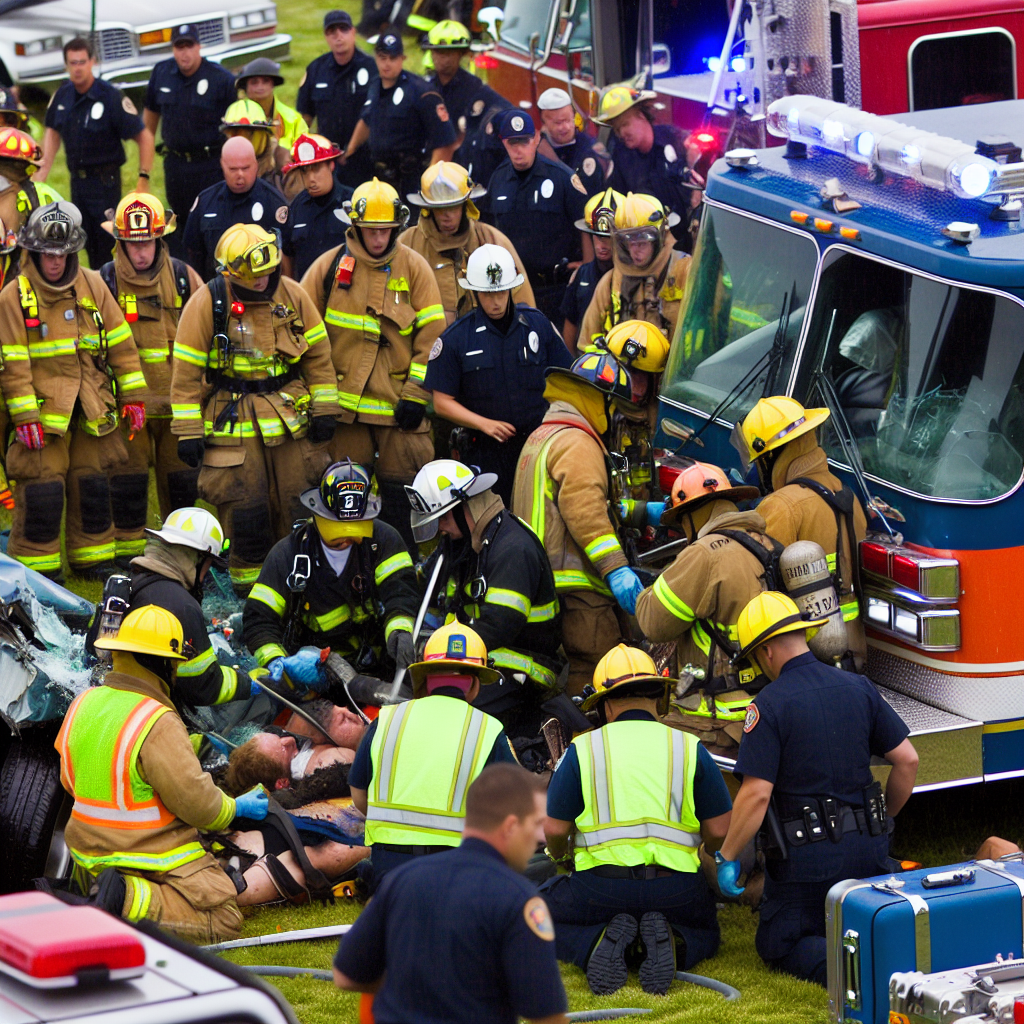
Highway safety is a paramount concern in today’s fast-paced world, where every mile traveled can be fraught with potential hazards. For drivers and fleets alike, understanding accident recovery is not just beneficial, but essential. In an era where the stakes are high, and the implications of accidents extend beyond mere personal injury to encompass significant regulatory and financial repercussions, the importance of reforming commercial driver’s license (CDL) testing and training cannot be overstated.
Comprehensive CDL testing and training reforms are crucial in equipping drivers with the necessary skills and knowledge to navigate our roads safely, thus enhancing commercial trucking safety by reducing accident rates and fostering a culture of safety within the trucking industry. This guide will explore the best practices for accident recovery, underscoring how these reforms can create not only safer highways but also more resilient fleets.
The Significance of CDL Training Reforms
CDL training and testing reforms play a crucial role in accident recovery by addressing the root causes of many accidents resulting from inadequate training. Statistics reveal that approximately 6% of trucking accidents are linked to insufficient driver training, highlighting the vital need for comprehensive education for commercial drivers. Inadequate training can lead to poor decision-making under pressure, ineffective handling of emergency situations, and a lack of understanding of critical regulations like Hours of Service, all of which increase the risk of collisions on our highways.
Moreover, the rise of the ‘Driver Inc.’ scheme, which misclassifies drivers as independent contractors to cut costs, exacerbates this problem. This scheme often leads to reduced oversight and inadequate training compliance, as companies prioritize profits over safety. While specific statistics on the accident rates directly tied to this scheme are not readily available, the risks associated are apparent, as misclassified drivers may lack the essential training necessary for safe operation.
As Chris Spear, the President of the American Trucking Associations, has stated, “Though commercial trucking is among the most heavily regulated industries in the United States, gaps in oversight, enforcement, and qualification requirements … threaten safety on our nation’s highways.”
This stark reminder reinforces the pressing need for reforms that strengthen training and testing protocols for CDL drivers to ensure safer roads and improved accident recovery for all.
The American Trucking Associations (ATA) Recommendations
The American Trucking Associations (ATA) has proposed six key recommendations to Congress aimed at enhancing Commercial Driver’s License (CDL) standards to improve highway safety:
-
Codify the President’s Executive Order on English Language Proficiency (ELP) for Truck Drivers: ATA urges Congress to enshrine the existing executive order into law to ensure consistent enforcement of English language requirements across all states.
Source -
Direct the Federal Motor Carrier Safety Administration (FMCSA) to Initiate an ELP Test as Part of the CDL Issuance Process: ATA recommends that FMCSA develop and implement a standardized English proficiency test for all CDL applicants to ensure drivers can effectively communicate and comprehend road signs and instructions.
Source -
Require Individuals to Hold a Standard Driver’s License for at Least One Year Before Becoming Eligible for a CDL: With limited exceptions for certain workforce training programs, this measure aims to ensure that applicants have sufficient driving experience before operating commercial vehicles.
Source -
Strengthen Federal and State Oversight of CDL Issuance and Testing: ATA calls for enhanced monitoring and auditing of state agencies and third-party testers to ensure that only fully qualified drivers receive CDLs.
Source -
Expedite the Removal of Non-Compliant Training Providers from the FMCSA Training Provider Registry (TPR): ATA emphasizes the need for swift action to eliminate training providers that fail to meet Entry-Level Driver Training (ELDT) standards, thereby preventing unqualified drivers from entering the industry.
Source -
Strengthen Enforcement and Penalties Against Illegal Cabotage: ATA advocates for more rigorous enforcement and increased penalties to deter foreign carriers from illegally conducting domestic freight movements within the United States, a practice that undermines U.S. carriers and poses safety risks.
Source
These recommendations are part of ATA’s broader effort to close critical gaps in driver qualification systems, enhance enforcement of existing standards, and prevent unsafe operators from entering or remaining in the trucking industry.
Source
| Aspect | United States | Canada |
|---|---|---|
| Regulatory Body | Federal Motor Carrier Safety Administration (FMCSA) | Provincial and Territorial Authorities (e.g., CTA) |
| Minimum Training Hours | No federally mandated hours; proficiency based | Mandatory Entry-Level Training (MELT) varies by province (e.g., 103.5 hours in Ontario) |
| Training Components | Theory and behind-the-wheel (BTW) training; must pass assessments | In-class theory, yard training, and BTW training; standardized curriculum |
| Standardization | National curriculum set by ELDT regulations | Harmonization efforts by CTA for MELT programs across provinces |
| Testing Requirements | Competency-based assessments required | Prerequisites vary by province; may include standardized testing |
| Recent Reforms | ELDT established in February 2022; proposed amendments to testing | Continuous push for MELT implementation across all provinces |
| Key Advocacy Groups | American Trucking Associations (ATA) | Canadian Trucking Alliance (CTA) |
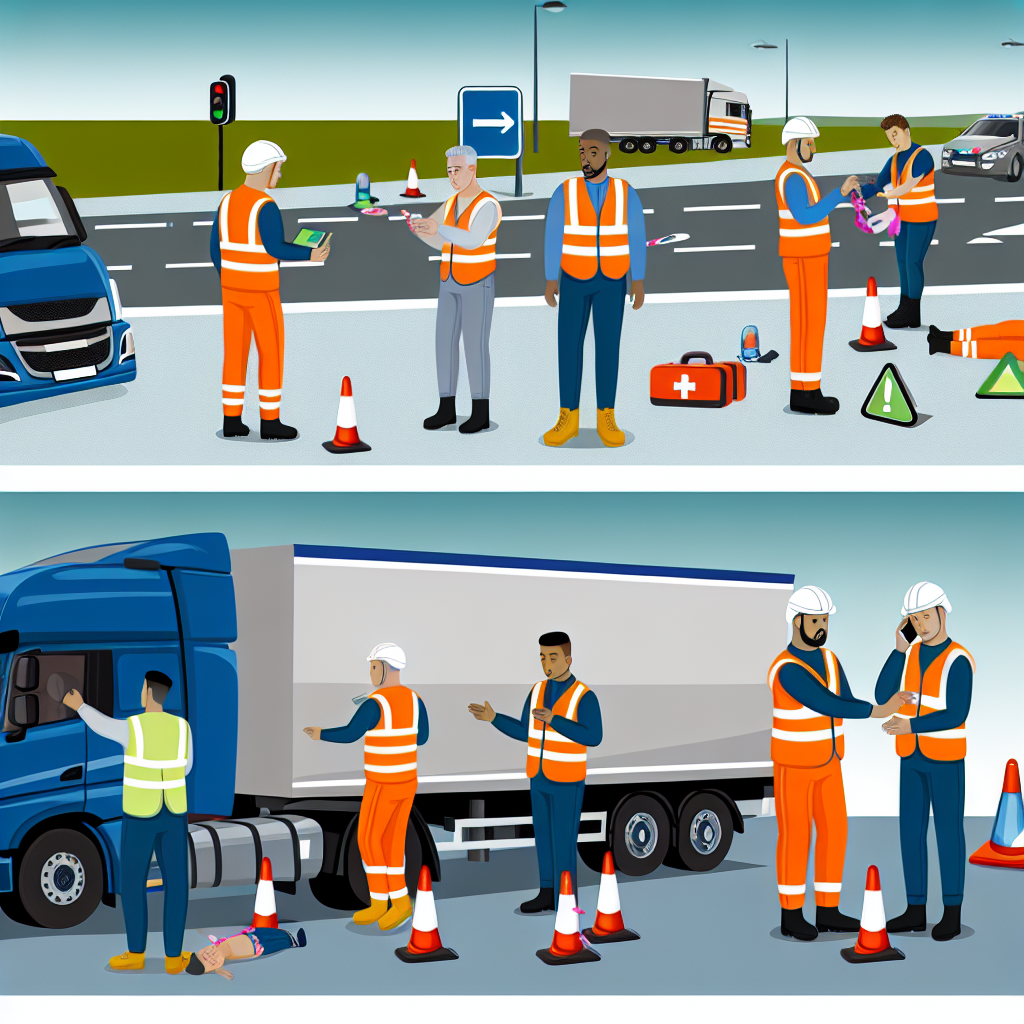
The Role of Training Providers in CDL Reforms and Road Safety
Training providers play a crucial role in implementing Commercial Driver’s License (CDL) reforms. They directly affect the skills and safety standards of new drivers entering the industry. By offering comprehensive educational programs, these providers help drivers gain the necessary knowledge to operate commercial vehicles responsibly. This plays a key role in ensuring road safety.
Effective training is critical for preventing accidents. Studies show that fleets that invest in structured training programs can reduce accident rates by 20 to 40%. Training includes various techniques such as defensive driving, hazard anticipation, and proper vehicle handling. Additionally, drivers who continue their education have reported significantly fewer instances of unsafe driving behaviors, leading to a 52% decrease in safety-related incidents.
Moreover, training providers highlight the importance of understanding federal and state regulations. This helps reduce accidents caused by misunderstandings of compliance requirements. Proper training also reinforces practices like pre-trip inspections and routine maintenance. These practices are vital for identifying potential mechanical failures before they create dangerous situations.
Marco Beghetto has noted that, “Companies that routinely cut corners regarding tax and labor compliance often do the same in other areas.”
This statement emphasizes the crucial link between compliance with training regulations and overall safety in the trucking industry. Training providers must uphold high standards in their curricula and instructional practices. This promotes a culture of safety and accountability.
In summary, training providers are essential for implementing CDL reforms. They deliver necessary training to minimize accidents and promote safe driving practices. Their commitment to thorough and compliant education is vital for preparing drivers to navigate the complexities of the roadway safely. This, in turn, enhances the overall safety of the trucking industry.
Case Study: Amity Cataldo – A Highway Angel
On September 24, 2025, in the vicinity of Amarillo, Texas, Amity Cataldo, a skilled truck driver for Boyle Transportation, witnessed a terrifying scene unfold before her: a truck had overturned directly in front of her on the highway. The chaotic environment of an accident can often lead to confusion and panic, but Cataldo’s instinctual response was nothing short of heroic and compassionate.
Without hesitation, she slowed her vehicle, turned on her hazard lights to warn fellow motorists, and dialed 911 to report the incident. Such quick thinking exemplifies a fundamental principle of accident recovery: ensuring personal safety and alerting emergency services promptly. When she approached the overturned vehicle, she found the driver disoriented and bleeding. Rather than waiting safely at a distance, Cataldo chose to engage directly, prioritizing the well-being of a fellow individual who was hurt and in need.
Amity’s actions reflect the heart of accident recovery principles — staying calm, offering immediate support, and acting in a manner that prioritizes both her safety and that of the injured driver. Cataldo stayed with the driver, offering reassurance and comfort until emergency responders arrived to take over. Her dedication and humanity could be felt as she provided solace during such a traumatic time.
Reflecting on her experience, Cataldo humbly stated, “What I did was what I would hope any other driver would do.” This sentiment encapsulates the essence of empathy and community among truck drivers and the public. It is a reminder that in times of crisis, our response can make all the difference.
Amity Cataldo was subsequently recognized as a Highway Angel by the Truckload Carriers Association (TCA) for her selfless actions. The TCA established the Highway Angel program in 1997 to honor professional truck drivers who demonstrate exemplary kindness, courage, and compassion on the road. Nearly 1,500 drivers have received this honor, highlighting the important role empathy plays in the trucking community.
In summary, Amity Cataldo’s quick actions not only saved a life but also served as a powerful example for other drivers, reinforcing the principles of accident recovery and the impact of compassionate responses in emergency situations.
Summary of Key Statistics on Trucking Accidents Related to Inadequate CDL Training
Inadequate Commercial Driver’s License (CDL) training and regulatory failures substantially contribute to trucking accidents, leading to serious safety implications and financial burdens on society. Key statistics that highlight the impact of inadequate training and the corresponding need for reforms include:
- Accident Statistics: It is estimated that around 27% of truck accidents are attributed to insufficient driver training. In addition, in 2021 alone, 5,634 large trucks were involved in fatal crashes, with driver-related factors, such as speeding and inattention, accounting for nearly one-third of these incidents. Alarmingly, about 4% of truck drivers operate without a valid CDL, which reflects significant lapses in regulation and enforcement.
- Fatalities and Costs: In 2021, crashes involving large trucks resulted in the deaths of 5,887 individuals. The societal costs associated with crashes involving large trucks and buses were estimated at $128 billion. Furthermore, the average cost of a large truck crash that results in a fatality is approximately $3.6 million, while crashes with injuries incur costs close to $200,000 each.
- Impacts on Safety: Poor training can lead to reckless behaviors and diminished decision-making abilities among drivers. This deficiency not only puts drivers at risk but also endangers other road users, amplifying the calls for comprehensive reforms in training and operational regulations.
Suggested Reforms to Improve Training and Regulations
To address these pressing issues and enhance roadway safety, several reforms have been proposed:
- Enhanced Training Programs: Developing comprehensive training that incorporates defensive driving, hazard prediction, and effective vehicle handling is critical. Evidence shows that fleets investing in organized CDL training programs can see accident rates decrease by 20% to 40%.
- Standardized Training Procedures: Establishing uniform training standards and conducting regular audits will help ensure compliance across the board, directly improving the quality of driver education.
- Stricter Licensing and Compliance Enforcement: Closing loopholes in the regulatory framework and enforcing stricter licensing requirements for commercial drivers will prevent unqualified individuals from taking the wheel of large trucks. This shift will ultimately improve overall safety on the roads.
These reforms represent a proactive approach toward improving truck driver training and operational safety, underscoring the importance of legislative and regulatory action to foster a safer trucking environment for everyone on the road.
Conclusion: Advocate for CDL Testing and Training Reforms
As we reflect on the critical discussions surrounding Commercial Driver’s License (CDL) testing and training reforms, it becomes abundantly clear that advocating for enhanced safety measures is essential. Research shows that approximately 27% of trucking accidents stem from insufficient training, indicating a severe gap that not only endangers the lives of truck drivers but also the safety of all road users.
Organizations like the American Trucking Associations (ATA) have laid out vital recommendations aimed at strengthening CDL standards, emphasizing the need for legislative changes that promote accountability and safety within the industry. The calls for standardization in training procedures, enhanced oversight, and the eradication of practices that allow misclassification of drivers reflect a unified effort to elevate the standards of trucking safety.
However, these reforms cannot be achieved in isolation. It is imperative for individuals, communities, and industry stakeholders to rally together in support of these initiatives.
Adding to this urgency, a recent survey indicated that 97% of accidents are preventable, with a staggering 87% attributed to driver error. This statistic solidifies the necessity for comprehensive training. As one industry expert noted, “Investing in training not only protects lives but also saves the industry millions; it’s a moral and financial imperative.”
Now is the time for readers to take action—whether by volunteering with local advocacy groups, contacting legislators to express support for CDL reform measures, or sharing information within their networks about the importance of comprehensive driver training. Together, we can help pave the way for a safer future on our highways, ensuring that training and testing for commercial drivers meet the highest standards for safety and competence. Your voice matters in this advocacy effort—join the call for meaningful change today!
| Statistic | Value |
|---|---|
| Accidents Due to Inadequate Training | Approximately 27% of truck accidents |
| Fatal Truck Crashes in 2021 | 5,634 large trucks involved |
| Driver-Related Factors | Speeding and inattention account for ~33% |
| Estimated Annual Deaths | 5,887 individuals from truck-related crashes |
| Societal Costs of Crashes | Estimated at $128 billion |
| Average Cost per Fatality Crash | Approximately $3.6 million |
| Cost per Injury Incident | Close to $200,000 per crash |
| Percentage of Unlicensed Drivers | About 4% of truck drivers lack a valid CDL |
Call to Action: Get Involved in CDL Reform Initiatives
As we aim to improve CDL testing and training standards, your involvement is crucial. Here are several ways you can take action:
-
Share Your Thoughts: Engage with us on social media by sharing your opinions about CDL reforms. Use the hashtag
#CDLReformto connect with others in the community and amplify the message of safety and accountability. - Contact Your Local Representatives: Reach out to your legislators and express your support for CDL reform initiatives. Make it clear that improving the standards for commercial driver’s licenses can save lives and enhance highway safety.
- Participate in Local Advocacy Groups: Join or volunteer with local organizations that focus on highway safety and trucking regulations. Your participation can help create a stronger collective voice advocating for critical reforms.
- Educate Others: Spread awareness about the importance of comprehensive driver training among your friends, family, and colleagues. Share statistics and facts from this article to highlight the impact of inadequate training on road safety.
- Support Training Providers: Encourage the recognition of reputable training providers that adhere to the highest standards in driver education. Supporting these organizations ensures that new drivers receive quality training.
- Stay Informed: Follow industry news and updates regarding CDL testing and training reforms. Being aware of ongoing discussions and proposed legislation empowers you to contribute meaningfully to the conversation.
Your voice is vital in advocating for essential changes that protect drivers and everyone on our roads. Let’s work together to ensure that CDL training reflects the highest standards of safety and responsibility. Take action today!