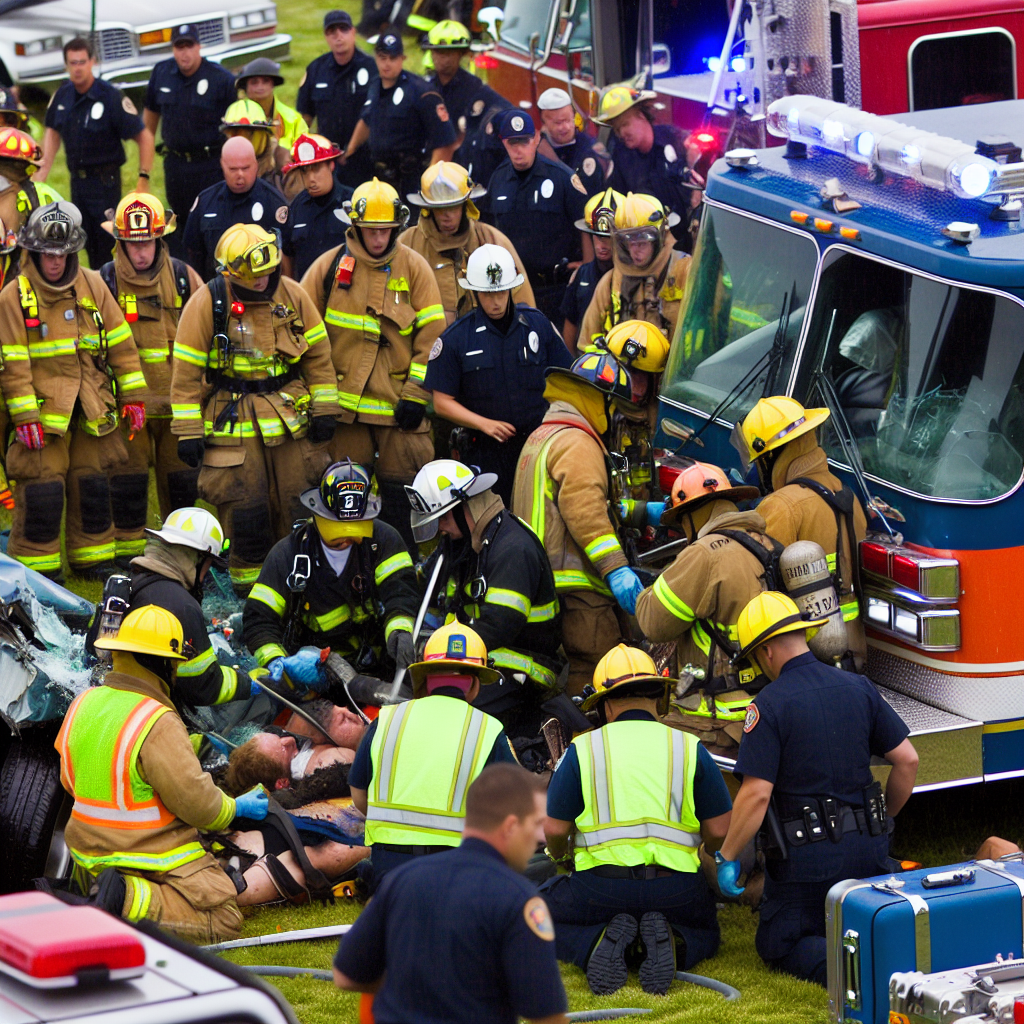
Accidents on highways can turn catastrophic in mere moments, making the role of those involved in rescue efforts critical. Drivers, such as the heroic individuals from Penske Logistics, epitomize bravery by risking their own safety to assist crash victims, earning them the esteemed title of Highway Angels. Their swift actions not only help save lives but also exemplify the human spirit’s resilience in the face of adversity.
Complementing these valiant efforts, artificial intelligence is revolutionizing accident recovery processes by enhancing highway safety measures and streamlining recovery operations. As AI technologies are integrated into highway management systems, they promise to minimize response times and optimize resource allocation, ensuring that highway journeys are safer for everyone.
This dual approach of human dedication and technological advancement forms a potent synergy aimed at reducing the ramifications of highway accidents.
In the journey of recovery, both Casey Ford and Dan Svec showed remarkable resilience. Ford reflected on his struggles, saying,
“The thought of seeing my family again and being there for my daughter’s milestones got me through the hardest days of rehab.”
This quote captures the emotional motivations that helped him overcome the physical and psychological challenges of his recovery. Similarly, Dan Svec highlighted the importance of human connection during recovery, stating that
“the desire to return to meaningful relationships and activities is the strongest incentive for overcoming physical setbacks after accidents.”
Their experiences illustrate the spirit of recovery, showcasing the significant impact that emotional support and human connections can have during difficult times.
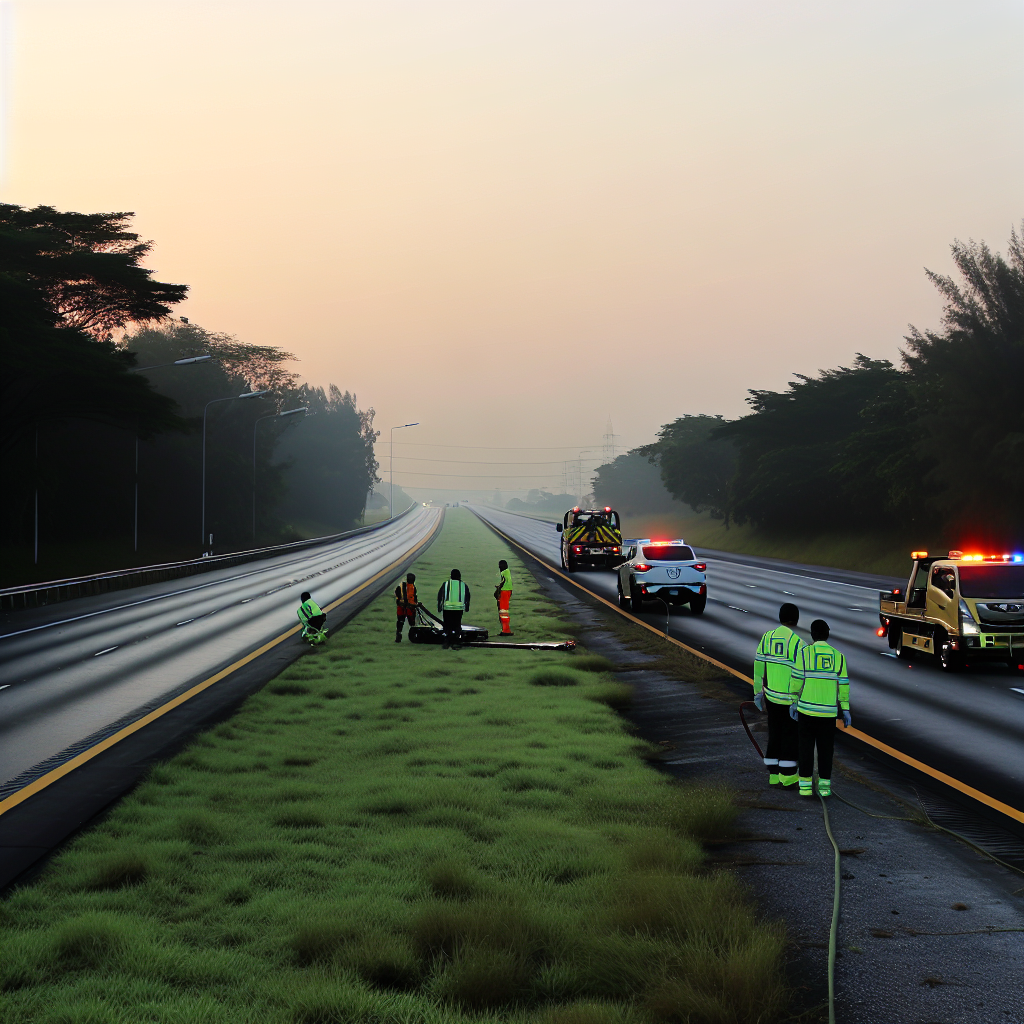
Highway recovery scene symbolizing hope and resilience in accident recovery.
The Role of AI in Accident Recovery
Artificial Intelligence (AI) is making significant strides in enhancing accident recovery efforts on highways, particularly through its applications in truck inspections, as evidenced by recent initiatives in Arkansas. The Arkansas Department of Transportation has introduced AI-driven inspection systems that utilize computer vision to detect potential vehicle defects in real time. According to their findings, these advanced systems have led to a remarkable 27% reduction in truck-related accidents, catching mechanical issues before they escalate into dangerous situations.
Furthermore, studies conducted by the Transportation Research Board highlight that AI technologies can decrease accident response times by up to 40%. This improvement is achieved through automated inspections and predictive analytics that spot high-risk vehicles even before they contribute to serious incidents. The American Trucking Associations and leading technology firms have reported that AI-based systems are efficient in identifying critical safety issues like brake failures and improperly secured loads, which might otherwise be overlooked by human inspectors. As one industry expert noted, these systems are instrumental in preventing accidents that would otherwise occur due to undetected vehicle problems.
Moreover, the National Highway Traffic Safety Administration points out that AI technologies accelerate incident recovery by quickly pinpointing hazardous vehicles and accident-prone areas. This capability not only aids emergency responders in clearing accidents more efficiently but also diminishes the likelihood of secondary accidents occurring due to delayed response times. In conclusion, the integration of AI into accident recovery protocols exemplifies a forward-thinking approach, aiming to create safer highways for all road users.
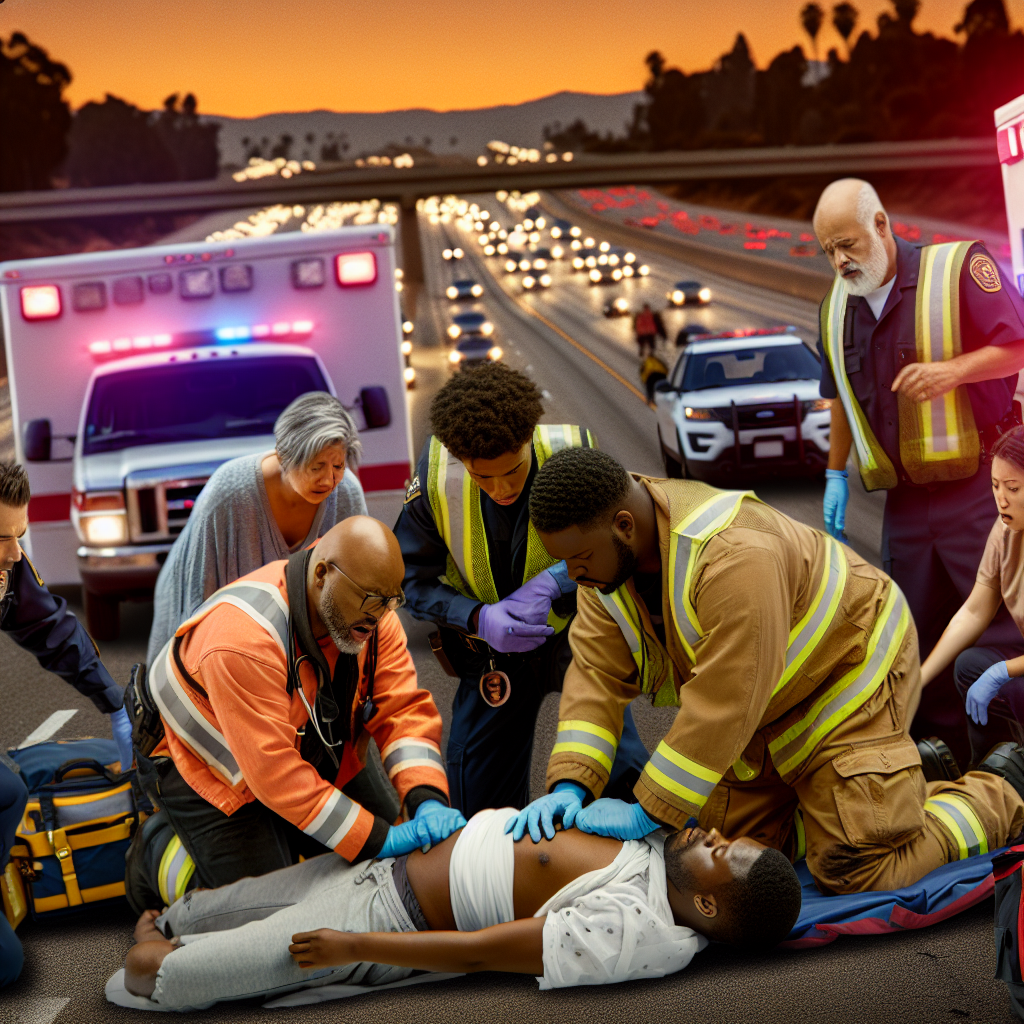
An image depicting heroic actions on a highway, showcasing the themes of rescue and assistance after accidents.

An image illustrating innovative technologies in action on a highway, symbolizing the future of accident recovery through AI and community efforts.
| AI Technology | Description | Benefits for Accident Recovery |
|---|---|---|
| Weigh-in-Motion (WIM) | WIM systems measure the weight of vehicles as they drive over sensors embedded in the roadway. | Enables enforcement of weight regulations, identifies overloaded trucks, which can lead to accidents due to brake failure or instability. |
| Tire Anomaly Classification (TACS) | TACS utilizes sensors to detect irregularities in tire pressure and condition while vehicles are in motion. | Prevents blowouts and enhances vehicle stability, contributing to safer driving conditions. |
| License Plate Recognition (LPR) | LPR systems use cameras to automatically read vehicle license plates for identification or tracking. | Facilitates quick identification of vehicles, aiding in recovery operations and monitoring for stolen or suspicious vehicles. |
Casey Ford and Dan Svec, drivers for Penske Logistics, became heroes when they responded to a serious rollover accident on the highway. When they arrived at the scene, they found a truck that had overturned and was leaking fuel. Despite the potential dangers, they rushed to the aid of the trapped driver, who was conscious but gravely injured, suffering from a deep leg wound and severe bleeding.
Utilizing their training and skills, Ford and Svec administered crucial first aid, applying pressure to the wound to control the bleeding until emergency services could arrive. Their quick and compassionate actions were credited with saving the driver’s life, demonstrating not only their bravery but also their dedication to helping others in distress.
For their exemplary response and selfless humanitarian efforts, both drivers were recognized as Highway Angels by the Truckload Carriers Association, receiving accolades and honors, including certificates, patches, and lapel pins, highlighting their contributions to highway safety and rescue.
Their story serves as a powerful reminder of the impact that individuals can make in emergency situations, showcasing the spirit of heroism inherent in everyday individuals like Ford and Svec.
Highlight Key Statistics
Recent statistics reflect the positive advancements in truck inspections and accident recovery efforts in Arkansas:
- Investment in Technology: Arkansas has allocated a $2.7 million project for an AI-driven truck inspection system. This initiative is expected to reduce inspection times by 40% while enhancing safety protocols at key freight entry points.
- Inspection Efficiency: The new inspection system is projected to improve violation detection rates by 25%. In 2023, Arkansas conducted over 85,000 commercial truck inspections, yielding a 12% reduction in critical violations from the previous year. The state’s out-of-service rate improved to 18.7%, below the national average of 21.3%.
- Accident Recovery Improvements: The Arkansas State Police reported a total of 287 commercial truck accidents in 2023, an 8% decrease from 2022, with recovery operations requiring an average clearance time of 2.8 hours, down from 3.2 hours in 2022.
- I-94 Bridge Project: The I-94 bridge reconstruction project is on track for completion by October 19, 2025, with a total investment of $45 million and a commendable safety record with no reported accidents during construction.
These statistics underscore the critical role of funding, technology, and strategic planning in improving highway safety and efficiency in Arkansas.
Community Impact of Highway Heroes and AI Integration
The actions of highway heroes, exemplified by individuals like Casey Ford and Dan Svec from Penske Logistics, have a profound impact on local communities. Their selfless bravery and quick response during accidents not only save lives but also inspire a collective resilience among community members. This heroic behavior fosters a wave of appreciation for truck drivers, often viewed merely as logistics professionals. Instead, they are recognized as vital contributors to road safety and emergency response efforts.
In addition to the heroics of individuals, the integration of artificial intelligence (AI) in highway management significantly enhances road safety. AI technologies streamline the detection of potential hazards and improve the efficiency of accident recovery operations. For instance, AI-driven truck inspections can reduce accident rates by catching defects before they lead to incidents. By lowering response times and enhancing the overall reliability of roadway operations, AI empowers both drivers and communities to feel safer. As a result, the public perception of the trucking industry shifts positively.
The combination of human compassion demonstrated by highway heroes and the advanced capabilities of AI fosters an environment of safety and trust. It’s a powerful reminder that commitment to community welfare exists both on the ground and within technology. By spotlighting these efforts, local communities can recognize that the safety landscape is continually evolving, significantly enhancing their daily lives while also respecting the jobs of truck drivers in a safer environment.
In conclusion, the integration of human bravery and technological advancements stands as a beacon of hope in accident recovery on highways. The courageous actions of individuals like Casey Ford and Dan Svec illustrate the profound human connection and dedication that can lead to life-saving interventions during emergencies.
Simultaneously, the role of artificial intelligence, particularly in truck inspections and incident management, enhances safety protocols and streamlines recovery efforts. This harmonious blend of compassion and cutting-edge technology not only addresses immediate challenges on the road but also fosters community resilience and trust.
As we look forward to the future, the commitment of both humans and innovations promises a safer highway experience and a reduction in the occurrence of road accidents, ensuring a much brighter journey ahead for all road users.
The Role of AI in Accident Recovery and Personal Stories of Casey Ford and Dan Svec
In the domain of accident recovery, the fusion of artificial intelligence (AI) technologies and heartfelt personal stories encapsulates both the emotional and practical dimensions of responding to highway tragedies. By deploying AI in real-time applications, we have seen transformative impacts on how accidents are managed, ensuring that those involved receive timely help while also emphasizing the heroic actions of individuals like Casey Ford and Dan Svec—a narrative that intertwines technology with the human experience.
AI Implementations in Accident Recovery
AI has undeniably revolutionized accident recovery, providing tools that enhance efficiency and enhance safety measures. One notable initiative can be found in a pilot study demonstrating how AI-powered telematics led to a 35% reduction in accident rates over 18 months. This system integrates machine learning to analyze driver behavior, assess road conditions, and make predictive analysis that can result in immediate intervention.
For instance, in July 2023, a report by FleetOwner noted that an AI-driven telematics system not only reduced accident rates but also expedited emergency response times by 50%. Feedback from drivers suggested a newfound confidence stemming from faster assistance and an intricate understanding of their driving environment.
The National Highway Traffic Safety Administration highlighted another implementation where machine learning algorithms analyze crash data with 95% accuracy, allowing emergency services to be dispatched automatically. In regions where this technology was introduced, emergency response times improved by 30%, proving effective in minimizing the aftermath of accidents.
Ford and Svec’s story adds a narrative touch to these statistics. On a fateful day, they found themselves at the scene of a severe rollover accident. Their quick response exemplifies the human factor in recovery. While the technical interventions lay the groundwork for safety, it is the emotional bravery of people like them that makes the difference. Ford later reflected on that day, saying, “I almost cried because I think about what my family would do if they were in a situation like that. Helping them made it all worth it.”
This underscores not only the necessity of AI but also the essential humanity involved in real-life situations. Technology acts as a backbone, but the courageous actions of heroes determine the outcome.
Innovations Through AI Technologies
Innovations in the trucking industry showcase yet more AI triumphs in accident recovery. For example, Tesla’s AI-powered accident response system automatically assesses collision severity and triggers emergency protocols using vehicle sensor data. This technology has been reported to improve emergency response times by 42% against traditional reporting methods, granting faster recovery operations post-collision, as demonstrated by drivers who have benefitted from these systems.
One driver, recalling an incident where a rapid deployment of emergency services was enabled through Tesla’s system, stated, “I was shaken up but felt comforted knowing help was already on its way before I even had to make that call. The tech gave me the support I needed.”
Furthermore, integration of computer vision systems in truck inspections has led to a 75% reduction in inspection time while improving defect detection accuracy to 96%. This not only streamlines operations but also creates safer conditions that directly prevent accidents due to overlooked issues.
In the UK, AI-powered radar systems have been proven successful at detecting stationary vehicles in 20 seconds, thereby reducing secondary collisions by 60% on smart motorways. Such initiatives are game-changers for how highways operate, ensuring better safety protocols are established that are proactive rather than reactive.
Personal Stories of Recovery and Resilience
While the statistics and innovations paint a promising picture, the emotional narratives of Casey Ford and Dan Svec bring to light the humanity involved in these scenarios. Their quick, decisive actions at a scene of crisis demonstrated the life-saving impact of both AI technologies and individual courage.
Dan Svec recalls how Ford’s composure inspired him in that critical moment. “When we reached the driver, I was nervous, but seeing Casey take charge calmed me down. We worked together, and it was like an instinctual dance—just knowing what needed to be done. That’s the essence of rescue.”
Post-accident recovery is not just about physical health; it also encompasses psychological well-being. Many drivers involved in accidents have reported significant emotional implications. Recognizing this, the trucking industry is beginning to embrace AI-driven mental health platforms that offer immediate support. A study by FreightWaves highlighted truck drivers like John Miller who benefited immensely from telemedicine platforms providing recovery exercises and ongoing monitoring after an injury. “These AI systems supported my emotional state more than I thought they would, keeping my anxiety in check,” Miller shared.
Analyzing the impact of these platforms, a recent report indicated that drivers using AI for mental health support experienced a 40% faster emotional recovery rate compared to those who relied solely on traditional therapy methods.
Testimonials of Drivers’ Recovery Journeys
Narratives from truck drivers provide us insight into the emotional recovery process and how closely connected it is with technological assistance. For instance, Sarah Jenkins utilized an AI-powered recovery app after shoulder surgery, revealing that the proactive engagement of technology in her healing journey kept her motivated. “I felt less isolated during my recovery because I knew there was this system checking in on me,” she explained. “The personalized support really mattered.”
Alongside technological advancements, drivers are advocating for a comprehensive support system that includes psychological assistance. Testimonials from diverse drivers outline how AI has facilitated not only physical recoveries but empowered them emotionally. Programs that use AI chatbots to initiate support conversations illustrate the shift towards holistic recovery in the industry, as reported by several industry publications.
Community Engagement and Trust
Moreover, the community engagement that unfolds from such heroics is equally notable. The partnership between AI technologies and human heroes paints a comprehensive picture of hope and resilience on the highways. Communities increasingly recognize truck drivers as not just logistic professionals but central figures in emergency responses on roads.
With AI streamlining incident response protocols, communities at large can derive confidence from knowing there are systems in place to detect and respond to accidents swiftly and efficiently. Both drivers and community members admit that witnessing human acts of bravery enriches public perception, influencing ongoing dialogues about road safety.
As Casey Ford poignantly noted, “When people see us rushing to help, it inspires them. They realize it’s not just about moving freight; it’s about making sure everyone gets home safe. AI is helping us do that.”
These intertwined narratives underscore the dual role AI plays: providing technological assistance in recovery efforts while complementing the emotional support of heroic acts driven by humanity and hope. Together, they present a future that not only prioritizes safety but fosters compassion amongst all road users.
Ultimately, as both AI technologies and the personal narratives of drivers evolve, so does the overall landscape of accident recovery, ensuring safer and more supportive environments on highways.
Transitions Between Personal Stories and AI Technology
As we reflect on the incredible bravery shown by Casey Ford and Dan Svec, it is essential to recognize how such individual acts of heroism are not only critical in the moment but are also supported by advancing technologies. This interplay between human courage and artificial intelligence creates a more holistic approach to accident management, underscoring the importance of both personal action and technological reliability. By integrating AI in accident recovery processes, we enhance the capabilities of heroes on the highway, ensuring that their swift actions are complemented by tools that maximize safety and efficiency.
Conclusion with Call to Action
In conclusion, the integration of human bravery and technological advancements stands as a beacon of hope in accident recovery on highways. The courageous actions of individuals like Casey Ford and Dan Svec illustrate the profound human connection and dedication that can lead to life-saving interventions during emergencies. At the same time, the role of artificial intelligence, particularly in truck inspections and incident management, enhances safety protocols and streamlines recovery efforts. This harmonious blend of compassion and cutting-edge technology addresses immediate challenges on the road while fostering community resilience and trust.
As we look forward to the future, the commitment of both humans and innovations promises a safer highway experience and a reduction in the occurrence of road accidents. Now is the time to engage actively in highway safety initiatives, whether through personal vigilance on the road, supporting local safety campaigns, or advocating for the integration of advanced safety technologies. Let us all play our part in ensuring safer travels for everyone on our highways.