Renting a tow truck can be a game-changer for local auto repair shops, dealerships, property managers, resort operators, and commercial fleet operators. This guide delves into essential considerations when renting a tow truck, the process involved, and how to effectively compare costs and options. Understanding these factors will help you make informed decisions while adapting to the unique automotive landscape of our island communities, ensuring your operations run smoothly and effectively during emergencies or business needs.
Tow Truck Rentals Demystified: A Thorough Path to Safe, Legal, and Cost-Efficient Towing
When the clock stops on a breakdown or a vehicle in need, the urge to simply rent a tow truck can feel urgent. Yet haste often multiplies risk and cost. The more you know about what to check and how to verify before you sign, the smoother the process becomes. Renting a tow truck is not a one-size-fits-all transaction; it is a careful alignment of your towing needs with the capabilities of a platform, a vehicle, and a set of policies that govern use. In practice, the decision to rent begins with a clear assessment of what you must tow, where you will tow it, and who will be driving. The goal is not only to move a vehicle from point A to point B but to do so safely, legally, and in a way that minimizes surprise charges and delays. The landscape of tow truck rentals has grown more accessible in recent years, to the point where a number of platforms and local providers can connect you with a suitable truck in minutes. This accessibility comes with a responsibility: to read the fine print, to confirm the details of the rig, and to understand what the rental actually covers beyond the sticker price. In a telling sense, renting a tow truck is as much about prudence as it is about speed. It is about striking a balance between capability and constraint, between the vehicle you need to move and the vehicle you are allowed and insured to drive. It is also about recognizing that the towing job is not simply a matter of horsepower or weight rating. It requires a coordinated setup: a compatible hitch, a functioning brake controller if the trailer has electric brakes, the right insurance coverage, and an understanding of any location or permit constraints that could complicate the move. This chapter explores the core considerations that should anchor your decision to rent, and it does so in a way that keeps the emphasis on safety, compliance, and cost-effectiveness. To set the foundation, let us consider capacity—the most fundamental constraint in any tow operation. A tow truck’s towing capacity is a function of its design, its tires, its chassis, and the mechanics inside the drive train and transmission. The critical figures sit in the same family as the numbers you see on many vehicle specifications: the gross vehicle weight rating (GVWR) and the maximum towing capacity. The GVWR reflects the total weight the tow truck is designed to carry safely, including passengers, cargo, fuel, and the weight of the vehicle itself. The maximum towing capacity, sometimes described as the hitch’s limit, indicates how much weight you can legally and safely pull. When you plan a tow, you must ensure that the combination of the tow vehicle and the trailer or towed vehicle does not exceed these ratings. It is common for mid-size tow trucks to offer GVWR ranges from roughly nine thousand to fourteen thousand pounds, with towing capacities that can extend from around five thousand pounds to well over ten thousand pounds, depending on configuration. The weight you intend to move includes both the vehicle and any cargo inside it, plus the hitch and any attached trailers. The safest approach is to verify both the GVWR of the truck you’ll rent and the maximum towing capacity the manufacturer lists for that same model. It is not enough to rely on a vague sense that “it should lift that weight.” You should compute the total weight of your load, including the weight of the towed vehicle plus any trailer and payload, and compare it to the truck’s published limits. If you are unsure, ask for a written specification or a data sheet from the rental provider and, when in doubt, choose a unit with a higher rating. This is particularly important when your load approaches the upper ends of what the truck is prepared to handle. The temptation to push the limits can be strong in an urgent situation, but the risks multiply quickly—steering instability, brake overheating, tire failure, and potential damage to the towed vehicle or to the tow truck itself. A moment’s patience in confirming capacity can save hours of trouble later. Beyond the arithmetic of weight lies a second axis of compatibility: the hardware that actually connects the tow vehicle to the towed load. The hitch is not a single, universal interface. Tow trucks come with various hitch types—ball mounts, Fifth-wheel configurations, and Gooseneck connections, among others. Each type serves different classes of trailers and different towing tasks. The crucial step is to confirm that the hitch on the rental unit matches the trailer or towed vehicle you plan to move. If you are towing a trailer with a standard ball hitch, the ball size, the ball mount height, and the tongue weight all matter. For heavier applications or specialized trailers, you may encounter fifth-wheel or gooseneck arrangements, which require different connections and, more importantly, different safety and control considerations. A mismatch here is not a minor inconvenience; it can render the setup unstable or even dangerous. In addition to the hitch itself, the presence of a brake controller is a detail that should not be overlooked. If your trailer is equipped with electric brakes, the tow truck must either have an integrated brake controller or you must arrange for one to be mounted and tested before you take the wheel. Many rental options provide brake controllers as add-ons or standard features on certain configurations, but not all units do. If you anticipate a load with electric trailer brakes, confirm this capability ahead of time. You want to avoid discovering at the threshold of moving that you cannot brake in the trailer’s interior load path. The third pillar of preparation concerns insurance coverage and liability. Standard rental agreements often exclude certain damages related to towing, or they place liability in ways that can surprise even careful operators. If the policy you hold as a private driver does not extend to towing operations, you should consider supplemental coverage or upgrading to a higher tier of rental arrangement. It is worth requesting explicit language about what is covered when towing and what is excluded, including incidents arising from load shifts, trailer failures, or accidental damage to the towed vehicle. Understanding liability limits can prevent a misunderstanding if something goes wrong. The important point here is not to assume coverage; it is to confirm it and to document it in writing when you rent. This is precisely the kind of detail that once documented can protect both you and the rental company in the event of a dispute or incident. The insurance question cannot be separated from the issue of who is allowed to operate the tow truck. Driver requirements can vary by jurisdiction and by company policy. Some rental offerings may require a CDL or other credentials for operating a tow truck, especially when the vehicle is designed for heavier towing or when it is configured for specialized use. In other cases, non-commercial drivers can operate certain trucks with standard licenses, provided they meet the operator’s policy. The prudent path is to ask for the specific driver requirements tied to the unit you intend to rent and to ensure that any drivers you designate meet those requirements. A responsible rental provider will be transparent about these conditions before you sign, and you should push for explicit confirmation in writing. Moving from the mechanical and regulatory dimensions to the operational realities, you encounter a series of practical questions about how the rental works in practice. Not all tow trucks are created equal when it comes to their intended use. Some units are configured for general towing, others for recovery work, and still others for light-duty vehicle movement. The policies of the rental company will reflect these configurations. You might discover that certain trucks are not authorized for towing at all, or that towing requires a special permit, a higher insurance tier, or additional paperwork. It is essential to have a clear, written understanding of what the rental agreement permits you to do with the truck you select. A surprising source of friction is the return policy and the ancillary fees that can accompany a rental. Hidden charges—mileage beyond a set limit, cross-location drop-off fees, late returns, or penalties for returning the vehicle when the location is closed—are all too common in the sector. A straightforward way to avoid these is to request a detailed, itemized quote before you commit. Compare that quote to other providers so you can gauge the range of possible costs. The best practice is to obtain this quote in writing and to confirm any extra charges that would apply in your specific scenario, such as towing where distance or handling could trigger additional fees. A thoughtful borrower recognizes that the true cost of renting extends beyond the per-day rental rate. If you will deliver the towed vehicle to a different location than the pickup point, confirm that the provider allows it and understand any consequent charges. If you anticipate a complex schedule—moving several vehicles, towing across counties or states, or requiring overnight storage—clarify how the rental agency handles these scenarios and what accommodations or fees might apply. In the same spirit of due diligence, inspect the unit before you drive away. A quick, collaborative walk-around with the rental agent can help catch issues that would otherwise become headaches later. Check the tires for adequate tread and proper pressure, confirm that the lights and reflectors function, verify that the braking system is operational, and make sure the hitch pins, safety chains, and wheel chocks are present and in good condition. If the unit has a brake controller, ensure it is calibrated and that you know how to operate it. A small investment of time before departure can prevent dangerous situations or legal complications down the line. The desire for speed should never eclipse the need for safety. The journey from a phone screen to a loaded chain of events involves more than the ability to sign a rental contract. It requires awareness of your own capabilities and limits as a driver or as a team with a driver. If you are unfamiliar with towing, consider a short preparation period to reacquaint yourself with the operation of a tow rig. Some drivers find it helpful to practice connecting a trailer in a controlled environment, learning to monitor trailer sway, and understanding how travel conditions—wind, hills, and traffic—can influence stability. For those who encounter towing for the first time, it can be especially beneficial to review guidance on safe loading and hitching, along with the handling characteristics of the specific rig you will rent. The aim is not to create fear but to establish competence, confidence, and calm under pressure. In that spirit, it helps to keep a few practical anchors in mind as you navigate the rental landscape. First, define your towing task with numeric clarity: the combined weight of the load, the trailer’s weight, and the anticipated road conditions. With those numbers in hand, you can select a unit whose rating comfortably exceeds the total. Second, verify equipment compatibility early: hitch type, ball size, pin weight, and brake-control compatibility with your trailer. Third, confirm insurance protections in explicit terms and in writing, including liability limits and exclusions. Fourth, obtain a clear, itemized quote that distinguishes base rental fees from mileage, location charges, and any penalties for late returns or early returns. Fifth, perform a thorough pre-trip check with the rental provider present, noting any existing damage and ensuring safety systems are fully functional. The path toward a successful rental is a sequence of informed choices rather than a single, perfect action. There will always be details that require attention—some obvious, some subtle. The more you arm yourself with knowledge and a written plan, the more likely you are to complete the move with safety and efficiency intact. To connect these ideas to practical guidance beyond this narrative, you can explore related discussions on towing readiness and rental choices in broader contexts. For a broader view on practical guidance tied to towing with rented pickup configurations and the nuances of trailer motion, consider resources that distill complex lessons into accessible steps. The Island Tow Truck blog offers perspectives that complement this chapter by presenting practical considerations in a readable format. The Island Tow Truck blog. This reference aligns with the core themes of capacity, compatibility, and coverage discussed here, while expanding the conversation to include real-world scenarios and choices that arise in rental situations. The goal is not to replace formal manufacturer specifications or rental provider instructions, but to offer a cohesive frame for thinking through the decision process and for communicating clearly with rental teams so you can secure the best possible arrangement under your specific circumstances. The dynamic nature of rental markets means that availability and terms can shift quickly. What remains constant is the core principle: your safety and compliance come first. When in doubt, slow down the process, request written confirmations, and ask questions until every major variable is clear. If you are facing a time crunch, you might still follow this structure in a compressed form—prioritize capacity and compatibility, then confirm insurance and return terms, and finally inspect the unit before departure. Even under pressure, the disciplined approach keeps you from overcommitting to a setup that cannot safely manage your load. The end result is a tow that holds steady under stress, a ride that remains controllable in challenging weather or road conditions, and a rental experience that respects both your time and your finances. In that sense, renting a tow truck becomes less about a rushed transaction and more about a considered partnership with a local provider who understands your needs, the legal boundaries of the work, and the practical realities of moving a vehicle or equipment from one place to another. It is a partnership built on clarity, transparency, and the shared objective of moving safely and efficiently. For readers who want to deepen their understanding or explore related topics further, remember that there is a wider conversation about fleet readiness and emergency response that can enrich your approach to tow truck rentals and to the broader field of roadside and recovery operations. The resources mentioned above can help broaden your perspective and provide additional viewpoints that complement the core guidance offered here. In summary, the decision to rent a tow truck should start with a precise assessment of the load and the task, followed by a careful check of capacity, hitch compatibility, brake control, insurance coverage, and return terms. Do not assume; verify. Do not guess; request written confirmations. Do not rush the pre-trip inspection; use it to verify everything is ready for safe operation. In doing so, you will reduce risk, avoid unexpected fees, and arrive at your destination with confidence that the move was completed to the highest possible standard. For a practical, domain-specific extension of these ideas, you may consult broader guides that address pulling trailers and rental considerations more deeply. A useful external resource that covers the practicalities of renting a pickup truck to tow a trailer offers a thorough, methodical approach to the process. See the guide here: https://www.carinterior.com/how-to-rent-a-pickup-truck-to-tow-a-trailer-a-practical-guide/ .
Renting a Tow Truck: A Practical Roadmap from Need to Return
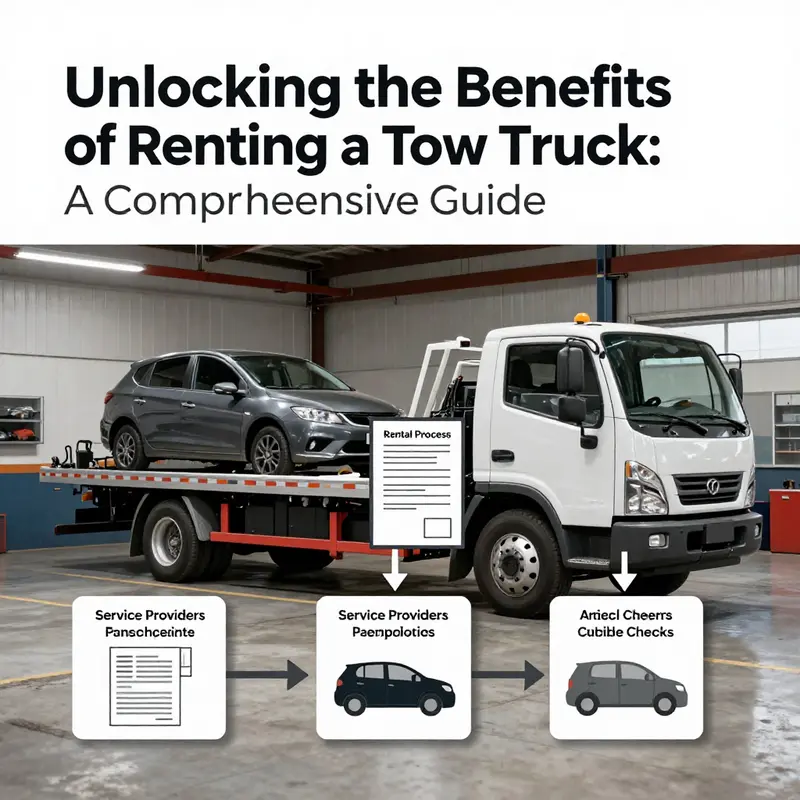
Renting a tow truck starts with a clear picture of the task at hand. Whether you need a single-day recovery, seasonal support for a small fleet, or temporary capacity during a maintenance window, identifying the core requirement shapes every choice that follows. Start by considering the kind of load, the environment where the vehicle will operate, and whether a professional driver is required. This initial assessment narrows the truck types and equipment you should consider, and it reduces the chance of costly surprises once the vehicle is on the road.
Once your needs are clear, assess the technical requirements. Towing capacity is the primary spec, but it is not the only one that matters. Winch capacity, bed length, lift type, and hydraulic system ratings determine whether the truck can safely handle damaged or oversized vehicles. If you will be towing heavy machinery or multiple units in a day, verify continuous-duty ratings and cooling systems. For operations on uneven terrain or in tight spaces, look for features such as four-wheel drive, enhanced suspension, or narrower wheelbases. If the job involves frequent vehicle recoveries rather than flatbed transportation, consider a truck equipped with a robust boom, recovery winch, and stabilizing outriggers.
Next comes the search for a rental provider. Look for companies that specialize in heavy vehicle rentals or vehicle recovery equipment. Many providers maintain searchable online inventories with photos and equipment lists, and some offer mobile booking. Use those resources to compare models, check availability, and request quotes. When you contact a rental company, be specific about dates, expected mileage, typical loads, and any special equipment needs. Clear communication at this stage helps suppliers match you with a truck that fits your mission, rather than one that requires costly modifications or additional attachments.
Documentation and eligibility requirements vary between providers. A valid driver’s license is a baseline. Many companies require a commercial driver’s license or proof of experience for larger tow trucks. Insurance proof is also standard. Confirm whether your existing policy covers rented specialized equipment and towing operations. If it does not, rental firms often offer supplemental insurance options for liability and physical damage. Expect some providers to request a security deposit, a credit check, or references from prior rentals, particularly for long-term agreements or high-value equipment.
Understanding the rental agreement protects you from unexpected fees. Inspect the contract for liability coverage limits, fuel responsibilities, mileage allowances, and late return penalties. Look for clauses that describe damage fees and define normal wear versus chargeable damage. Some agreements include roadside assistance and maintenance support during the rental period. Others require you to handle routine tasks such as topping off fluids or replacing damaged tires. Clarify who is responsible for towing permits or overweight load permits if your operation requires them. If fuel charges are assessed at return, compare whether the provider charges market price or a predetermined rate.
Delivery and pickup options add convenience but also introduce logistical considerations. Decide whether you need the truck delivered to a job site or whether picking the vehicle up from a depot makes sense. Delivery may incur extra charges and requires a clear access plan at the drop point. If the truck will be used at a location with restricted access, communicate gate codes, site rules, and any lifting limitations in advance. When the vehicle is delivered or collected, do a thorough inspection. Photograph and document existing damage, mileage, and fuel level before accepting the keys. A detailed check-in report protects both renter and provider and should be attached to the rental agreement.
Safety and operational briefings are critical, especially if your team is not experienced with that specific model. Ask the provider about on-board systems, emergency shutoffs, and any idiosyncrasies in the equipment. If the provider allows it, request a brief hands-on orientation with a technician or trainer. Confirm whether the truck is equipped with required safety gear such as winch straps, chain binders, reflective signage, and wheel chocks. If you will be operating in urban areas or on highways, verify that the vehicle’s lighting package meets regulations for towed loads and roadside operations.
During the rental, maintenance obligations vary by provider and rental term. Many companies cover major mechanical failures related to normal operation. However, renters are often responsible for routine maintenance and for damage caused by operator error. Keep a log of any service issues and communicate problems promptly. Doing so improves safety and limits your liability. If your job involves heavy daily use, consider adding a clause in the contract that specifies response times for repairs or replacements. Quick replacement options can make the difference between a short interruption and a costly operational delay.
Insurance is one of the areas where confusion creates the most trouble. Confirm whether your commercial auto policy covers rented tow trucks and whether it includes coverage for towed cargo. If your policy excludes certain risks, purchase supplementary coverage from the rental company or from a third-party insurer. Understand the deductible amounts and whether the coverage is primary or excess. Liability, collision, and comprehensive coverage may be offered in combinations. It is wise to compare the cost of rental company coverage against the potential out-of-pocket exposure under your own policy, especially when renting high-value equipment.
Billing and cost management deserve careful attention. Rental rates depend on truck type, rental length, and included services. Hourly, daily, weekly, and monthly rates are common. Ask about mileage limits and overage charges. Many contracts have a base rate that covers a set number of miles or hours. If your operation expects variable usage, negotiate a flexible mileage bundle or a capped daily mileage to avoid surprise costs. Factor in fuel, tolls, permit fees, and any operator costs if you hire a driver from the rental company. Request a clear estimate that itemizes expected charges and potential extras such as cleaning fees or late returns.
When the rental is underway, document usage details. Keep records of hours of operation, loads moved, and any incidents. This documentation supports insurance claims and simplifies final billing. If damage occurs, report it immediately and follow the provider’s incident reporting procedure. Prompt reporting often reduces disputes at return and helps you avoid large damage assessments. If the provider requires that damage repairs be performed only at authorized shops, follow that requirement to avoid voiding coverage or incurring additional penalties.
Return logistics are as important as pick-up. Schedule the return time to allow for a full joint inspection. Reconcile fuel levels, mileage, and any maintenance performed. Photographs of the vehicle at return, paired with the initial inspection images, make final settlements clearer. If you disagree with damage findings, ask for a written explanation and the evidence supporting the assessment. Most providers have a dispute resolution process. If the rental included a deposit, confirm the timeline and conditions for its release.
If your needs are more advanced than single-unit towing, modern rental options include intelligent and automated solutions. Electric tow tractors and automated guided vehicle–compatible units are available for warehouse and campus applications. These machines reduce local emissions and can be integrated into automated workflows. For businesses with fluctuating demands, rental programs let you scale capacity without capital investment. They also let you trial new technologies before committing to purchase. If you are interested in these advanced options, ask rental providers about compatibility with automated systems, charging infrastructure, and service support for electric drivetrains. For specific examples and technical details, providers’ product pages offer useful information: https://www.jungheinrich.com/en/rental/electric-tow-tractors.html
Choosing the right rental partner often reduces friction. Look for firms that understand towing operations, provide clear contracts, and maintain well-serviced fleets. References from other users can be telling. If you operate in a specialized environment, such as island logistics or remote routes, select a provider with local experience. For fleet managers seeking broader preparedness strategies, resources on site-specific planning offer helpful context. For example, guidance focused on islands and isolated operations can clarify the logistics and contingency planning you should consider: Emergency preparedness for island fleets
Finally, plan for contingencies. Have alternate transport arrangements ready in case of mechanical failure. Maintain contact information for rapid roadside assistance and the rental company’s emergency line. Train at least two operators in the truck’s safe use to reduce single-point failure risks. Keep spare consumables, such as straps and chains, and carry a basic tool kit. A simple checklist for pick-up, daily operation, and return reduces risk and keeps costs predictable.
Renting a tow truck is straightforward when you prepare. Define the job, match the truck to the task, verify documentation and insurance, and inspect at both handover and return. Use rental flexibility to scale operations during peak periods, and consider advanced options for integrated facility work. With clear contracts and open communication, rentals deliver the capacity you need without the burden of ownership.
Tow on Demand: Weighing Costs, Options, and Safe Realities When You Need a Tow Truck
When a vehicle breaks down on the side of the road or ends up immobilized after an accident, the urge to act quickly is strong. The question that often follows is practical and urgent: can I rent a tow truck? The short answer is yes, but the longer answer reveals a landscape that is very different from renting a moving van or a personal car trailer. Tow trucks are specialized, and the service surrounding them is built around safety, regulatory compliance, and rapid response. Renting a tow truck is not simply about availability; it is about understanding how the costs are calculated, what type of equipment is needed for your situation, and how to work with a professional operator to get the job done safely and legally. This chapter unpacks those realities in a way that helps you approach a tow with eyes wide open, avoiding surprises while still recognizing the value of timely, professional help when you truly need it.
The first distinction to grasp is that tow services operate on a different model from standard vehicle rental. A typical moving truck rental is a predictable, fixed-period arrangement. You pick up a vehicle, drive it for a set number of days, and return it with a clear mileage tally. Tow truck services, by contrast, are largely on-demand and situational. A tow is not merely a matter of swapping keys for a big pickup and heading to a destination. It is a complex operation that involves weight, balance, vehicle dynamics, local regulations around transportation, and often after-hours or emergency timing. Given these factors, pricing reflects not just time behind the wheel but the entire dispatch and execution process.
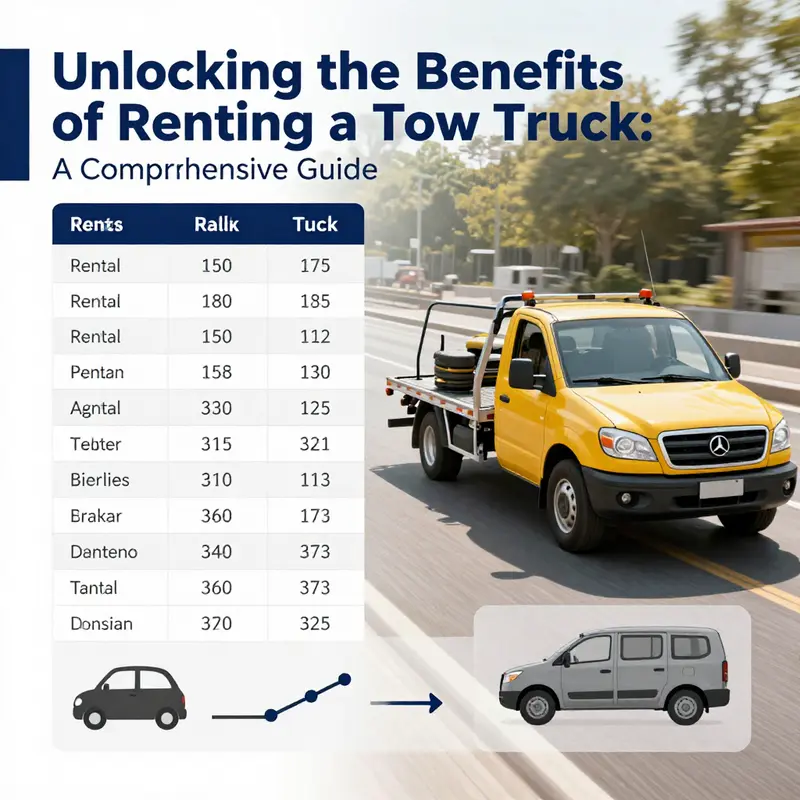
When you review the costs associated with renting or hiring a tow truck, the numbers you’ll encounter are typically presented in a way that emphasizes the service’s urgent nature. A standard hourly range often appears as a starting point: roughly between one hundred and three hundred dollars per hour, depending on several key variables. The vehicle type matters a great deal. A simple wheel-lift or conventional tow truck is priced differently from a heavy-duty wrecker or a flatbed rig, which are equipped to handle larger or more awkward loads. The urgency of the service is another big factor; emergency or after-hours requests typically carry surge charges. If the job requires long-distance towing, multiple pickups, or extended on-site time, the cost climbs further. For those who need a tow for an entire day, the fees can range broadly, from about eight hundred dollars to well over two thousand five hundred dollars, depending on location, distance, and the equipment needed. It is worth noting that these figures represent a framework within which providers operate. Exact pricing can vary widely from one region to another, and even from one company to another within the same city.
It’s also important to understand what you’re not getting when you approach tow truck pricing the same way you price a DIY rental. Unlike moving trucks, which are designed for customers to operate themselves with some supervision and safety guidelines, tow trucks are built to be operated by trained professionals using specialized equipment and sometimes licensed drivers. The service is generally structured around dispatching an experienced operator who can assess the scene and determine how best to move or recover the vehicle safely. In many jurisdictions, operators are required to hold commercial licenses and maintain insurance that covers the operations they perform. Those regulatory factors aren’t just administrative details; they are the basis for pricing and for the level of protection you have during a recovery. The result is a pricing landscape that rewards expertise, compliance, and readiness—qualities that are essential when your vehicle is precariously positioned on the highway, or when a vehicle must be hauled across a long distance without causing additional damage.
The cost composition also reflects the realities of time and resource management in towing work. Distance is not simply a matter of miles; it translates into fuel consumption, travel time, wear on equipment, and the opportunity cost of keeping a fleet ready for the next call. A tow operator may incur charges for driving to the site, securing the vehicle, winching or loading, tying the load, and transporting it to a designated destination such as a repair shop or storage lot. If the vehicle must be recovered from a hazardous or difficult location—think uneven terrain, water, or a cliff edge—the operation may require enhanced equipment and additional personnel, which pushes the price higher. Even the time of day can influence the final bill. Emergency or after-hours deployments are typically more expensive due to the need to staff a crew outside ordinary business hours, provide additional safety measures, and ensure rapid response.
For the person who is not a professional dispatcher, the practical takeaway is straightforward: shop for quotes, and do so with a clear sense of what you expect from the service. It is not enough to ask for a rate; you should ask for a comprehensive description of what the rate covers and what could trigger additional charges. In many cases, operators will provide a breakdown of the anticipated costs, including the base hourly rate, estimated on-site time, distance charges, and any potential surcharges. This approach helps you understand why a quote may change as circumstances unfold and gives you a basis for negotiating fair terms in a high-pressure moment.
A practical path to navigating costs begins with recognizing the factors that most heavily influence price. Distance is the most predictable driver. Long-haul towing involves more fuel, more labor, and more time. Vehicle type matters in another way: large or heavy vehicles such as RVs, commercial trucks, or luxury cars may require specialized equipment and handling that drives up the price. The time of day, as mentioned, often translates into higher charges when a call arrives outside of standard business hours. Insurance and licensing aren’t just compliance matters; they’re part of the cost structure. Operators that carry robust insurance to protect you, themselves, and the vehicle you’re transporting must incorporate that cost into their service fees. In turn, this reinforces the importance of using licensed, insured providers rather than informal or unregulated services that may appear cheaper upfront but carry significant risk for you as the customer.
Some nuance in the service model can be helpful to appreciate. Many tow operations function on an on-demand basis, meaning you pay for the service when it’s delivered rather than renting a tow truck for a fixed period. In this model, the minimum service call fee is a common feature. Even if the job wraps quickly, you will often be charged a minimum amount to cover the operator’s travel and readiness costs. This is a standard practice and one you should expect to be disclosed when you obtain a quote. It is a reminder that the appeal of quick, cheap answers can be tempered by the realities of dispatch, mobilization, and safety protocols that govern the work.
The question of how to find a tow truck rental or a tow service worth considering is not merely an exercise in price comparison. It is a matter of trust and reliability. You want a provider who can confirm real-time availability in your area, provide a transparent quote, and dispatch promptly with the appropriate equipment for your specific situation. In practice, this means contacting licensed local towing companies directly, though many people also rely on reputable online platforms that centralize dispatch and quotes. When you reach out, you should be prepared with essential information: your location, the nature of the vehicle’s problem, whether the car is drivable, the distance to the destination, and any special considerations such as secure storage or overnight parking needs. Clear communication helps prevent misunderstandings and ensures that the operator can bring the right tools and personnel to the site on the first visit.
The broader context of renting a tow truck—whether you are a private motorist dealing with a stranded vehicle or a fleet manager coordinating recoveries—can benefit from a strategic approach to selection and cost containment. For fleet operators, having a plan for emergencies reduces the likelihood of last-minute price spikes and can streamline the process of obtaining rapid, safe service. The idea is not to turn the entire operation into a DIY exercise, but to ensure you have a trusted network of professional providers with whom you can work. If you are part of a business that must respond quickly to incidents, you may find value in developing a standard operating procedure for roadside events: a checklist to confirm service level expectations, insurance coverage, driver qualifications, and the preferred providers you will call first, second, and third in a given region. For businesses, it can also be wise to explore industrial or municipal partnerships that align with your location and the types of incidents you most commonly encounter. A well-executed plan minimizes downtime and can protect your assets from further damage while maintaining safety for your people and the public.
From the customer’s standpoint, the decision to rent a tow or hire a tow service should be guided by a few practical considerations. First, assess your own capacity to handle the situation. If you possess basic knowledge and the necessary equipment to address a simple roadside recovery—something as straightforward as stabilizing a disabled vehicle and preparing it for transport without risking additional harm—you may be tempted to attempt a do-it-yourself approach. However, most recoveries involve risks that are not obvious until the scene is assessed. A failed attempt can multiply damage, raise liability concerns, and complicate insurance claims. The rule of thumb is to treat towing as a professional service whenever there is any uncertainty about the safety or legality of moving the vehicle. The margin of error in these situations is simply too high to justify experimentation, particularly when lives or critical assets could be at stake.
To sum up the practical framework for costs and options, you are looking at a spectrum that includes hourly rates, minimum call fees, distance and load considerations, after-hours surcharges, and the regulatory envelope that governs professional towing. The best course is to contact licensed operators for transparent quotes, ask about what is included in the quote, and confirm any potential add-ons that could affect the final price. It is equally important to communicate clearly about the scope of the job—whether the vehicle must be towed to a nearby repair facility, stored for later evaluation, or taken to a specific destination. By approaching the process with a clear set of expectations and a willingness to compare reliable quotes, you increase your chances of securing a service that is safe, compliant, and properly priced for the scenario at hand.
For readers who manage fleets or who want to explore the broader context of emergency response planning, there is value in connecting the dots between immediate towing needs and long-term readiness. The chapter on essential fleet emergency response strategies offers a framework for how a business can prepare for incidents, coordinate with reliable providers, and minimize downtime when a vehicle breaks down. See the discussion on that topic for a more comprehensive view of how to align towing services with overall risk management and operational continuity. See essential fleet emergency response strategies (https://theislandtowtruck.com/essential-fleet-emergency-response-strategies/).
The practical takeaway for everyday situations is straightforward. If you are facing a stranded vehicle, treat the problem as an operational challenge rather than a purely transactional one. Choose licensed, insured operators who provide clear quotes, and ask questions about the scope of the service to prevent misunderstandings. Expect that the cost will reflect the complexity of the situation, the equipment required, and the level of urgency. While it can be tempting to look for the lowest possible price, the safer, more reliable option often involves paying a fair rate for a professional service that is designed to protect people, property, and the integrity of the vehicle being moved.
In the end, the concept of renting a tow truck is inseparable from the service model that underpins the industry. It is a professional service designed to deliver safety, compliance, and expediency under conditions that are rarely predictable. The price you pay is the price of peace of mind: the knowledge that the vehicle will be recovered, moved, and stored with an emphasis on minimizing risk and preventing further damage. This pricing, while sometimes opaque and variable, becomes understandable when you view it through the lens of professional practice. And as you navigate quotes and options, you’ll find that the right operator is not simply the one who quotes the lowest hourly rate, but the one who provides accurate, transparent information, responds quickly to your needs, and can move with you from the initial dispatch to the final destination with the same level of care that you would expect from any professional service partner.
External reference for broader context on tow truck rental and industry standards can be found at a leading industry resource, which offers up-to-date information on pricing tiers, vehicle types, and regional availability. External link: https://www.ace-towing.com/tow-truck-rental. This resource provides an external perspective on how operators structure pricing, what questions to ask, and how to interpret the terms of service when you are seeking a tow solution. While it is important to compare providers locally, having a broader understanding of the market helps you ask the right questions and evaluate offers with greater confidence.
In sum, renting a tow truck is less about selecting a single device and more about selecting a reliable, compliant, and capable service partner who can execute a complex set of tasks with safety and efficiency. The costs reflect the realities of professional recovery work, not just the mechanical act of moving a vehicle. By understanding the core drivers of price, by requesting transparent quotes, and by engaging with licensed providers who can articulate the scope of work clearly, you position yourself to navigate unexpected roadside events with less stress and more certainty. And when you consider the broader picture, including how fleets prepare for incidents and how local providers integrate into emergency response plans, you can transform a potentially chaotic moment into a manageable situation backed by professional support and clear, accountable pricing.
Final thoughts
Renting a tow truck can significantly support your operational needs, whether it’s for a local auto repair shop, property management, or commercial fleet. By understanding the rental considerations, mastering the rental process, and comparing costs effectively, businesses can ensure they select the best solutions tailored to their unique requirements. Arm yourself with knowledge to navigate your purchase decisions and improve your service efficiency—because every moment counts in the vehicle recovery and maintenance sector.