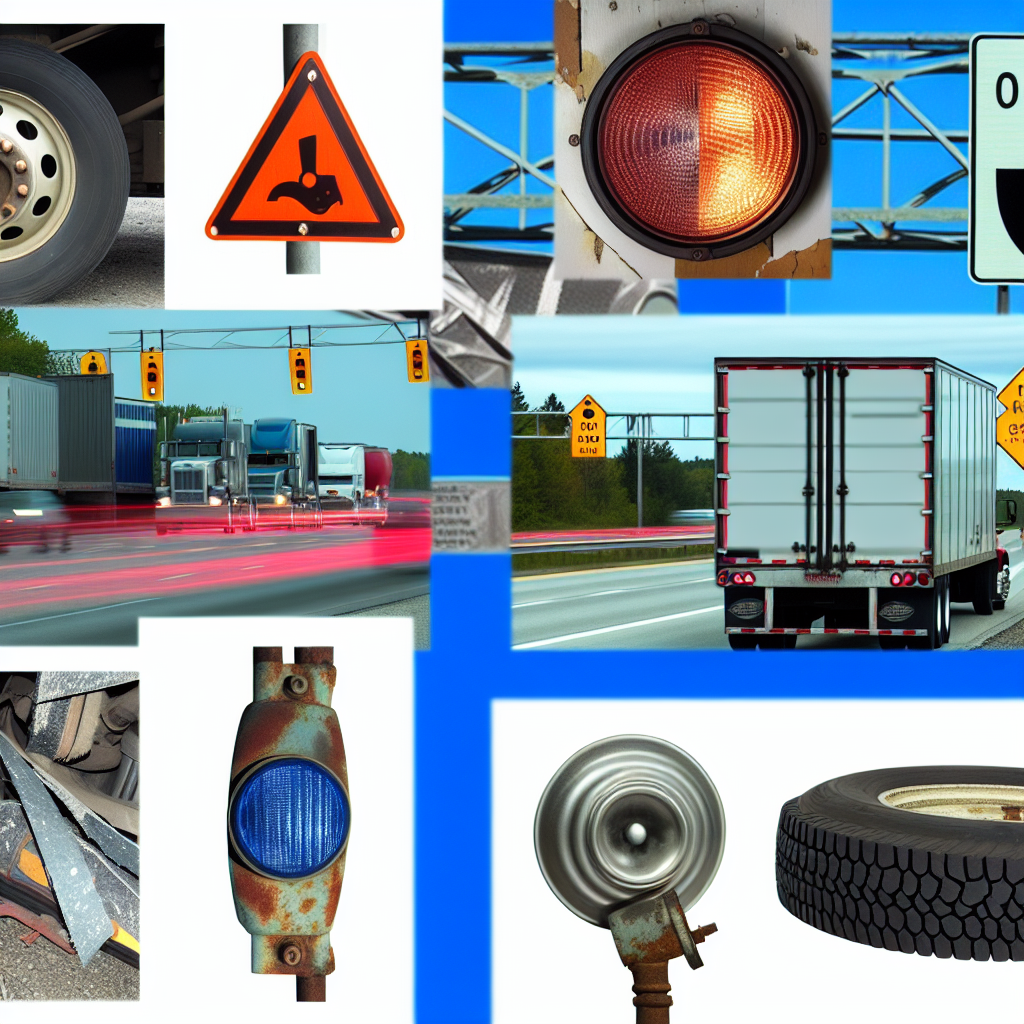
In Ontario, a worrying trend is emerging around the safety of equipment used on the road, raising significant alarms among industry professionals and regulators alike. Reports have surfaced indicating that unsafe trucks and trailers may be operating under fraudulent safety inspection decals, posing a serious risk to road safety.
An investigation into these practices has revealed that some operators may be acquiring annual safety inspection stickers without undergoing the necessary thorough inspections, compromising not only adherence to safety standards but also the wellbeing of everyone who shares the road. With the cost of an annual safety inspection ranging from $500 to $1,000, the financial incentives for circumventing proper checks are substantial, particularly in an industry already grappling with high operational costs.
As professionals call for reforms, the looming question remains: how pervasive is this fraudulent activity, and what measures can be implemented to restore integrity to the inspection process? Addressing these concerns is crucial, not just for compliance with regulations but for ensuring that Ontario’s highways are safe for all users.
Insights on Safety Inspection Fraud in Ontario
Safety inspection fraud in Ontario represents a significant threat to public safety, highlighted by recent investigations and alarming anecdotal evidence. The fraudulent acquisition of safety inspection decals has led to unsafe vehicles remaining on the roads, raising concerns from both operators and drivers alike.
Ongoing Investigations:
In March 2023, authorities charged an individual, Jay Lawrence Harding, with 352 offenses for impersonating an engineer and performing unauthorized inspections on cranes in Kitchener-Waterloo. Similarly, a 2018 investigation revealed that a vendor had submitted falsified inspection reports for unperformed work in city-owned buildings, showcasing the potential for widespread corruption in safety certifications.
Risks to Operators and Drivers:
Despite initiatives like Ontario’s DriveON vehicle inspection program aimed at curtailing fraudulent activities, many shop owners have reported ongoing issues. For instance, vehicles have been receiving inspection stickers despite having critical defects, such as malfunctioning brakes. Operators fear that inadequate funding and staffing within the Ministry of Labour’s inspectorate complicate proper oversight, allowing fraudulent practices to persist.
Anecdotal Evidence:
Reports indicate that safety inspection stickers can be obtained for as little as $250 through social media platforms, bypassing necessary inspections entirely. Furthermore, the Ontario NDP has highlighted concerning patterns of untrained drivers acquiring commercial vehicle licenses fraudulently, raising alarm in light of severe accidents associated with unsafe rig operations in northern communities.
These alarming instances illustrate a dire need for enhanced oversight and reform in the inspection process, as these safety lapses threaten not just regulatory compliance but the safety of all road users. Operators and drivers are advocating for more stringent measures to eliminate these fraudulent practices and ensure a safer transportation landscape in Ontario.
Safety Inspection Statistics and Unethical Practices
Recent investigations into safety inspection practices in Ontario have revealed disturbing trends that jeopardize public safety on the roads. The issue of unethical safety inspections has become increasingly pressing, highlighted by various complaints and notable incidents:
- Safety inspection stickers have reportedly been sold illegally for as low as $250, enabling vehicle owners to avoid crucial inspections altogether.
- Complaints have arisen from licensed inspection shop owners, who have witnessed trucks receiving passing inspection stickers, despite the vehicles needing significant repairs—one reported that a truck requiring approximately $30,000 in repairs had just passed inspection.
- Mobile inspections, which are prohibited by regulations calling for inspections to occur only within registered facilities, have also been discovered, reflecting a blatant disregard for safety protocols.
On a larger scale, enforcement agencies are grappling with cases of auto repair fraud, culminating in substantial fines for unscrupulous businesses that deceive consumers by billing for unperformed work. In one notable case, the Financial Services Regulatory Authority of Ontario fined a repair shop $75,000 for fraudulent activities, further illustrating the epidemic of dishonesty within the industry.
James Menzies, a respected voice in the trucking community, stated,
“I recently wrote a deep-reaching investigative piece about a scheme in Ontario and Illinois that saw FMCSA safety inspection decals attached to visibly unsafe Ontario-based trucks and trailers that were clearly unfit for the road.”
This quote underscores the gravity of the situation, reaffirming the need for timely intervention and systemic reform to restore trust.
As these alarming practices continue to threaten the integrity of vehicle inspections in Ontario, there is an urgent call from industry stakeholders for strengthened regulations and oversight to ensure that all vehicles on the road meet safety standards, safeguarding all users of the road.
Vehicle Out-of-Service Rates in Ontario and Comparative Analysis
In recent years, Ontario has seen troubling statistics regarding vehicle out-of-service (OOS) rates during inspections. In 2025, various enforcement blitzes revealed OOS rates ranging from 30% to 48%, indicating that a significant portion of inspected commercial vehicles failed to meet necessary mechanical and regulatory standards. For instance, a two-day campaign in Milton recorded an OOS rate of approximately 31%, showing that nearly one-third of the trucks inspected were deemed unfit for operation. In a separate four-day enforcement drive, 48% of the inspected vehicles needed to be taken out of service, which raises serious concerns regarding overall compliance and safety standards within the province. (nextgencompliance.ca)
Approximately 28% of Vista Trans Holding’s vehicles were reported as out-of-service, which exceeds the national average of 22%, indicating compliance challenges that are echoed throughout the region. While specific national averages for 2025 are sparse, the concerning trend in Ontario highlights a critical need for enhanced vehicle maintenance and stricter enforcement of safety regulations.
In Canada, vehicle safety inspections are governed by the National Safety Code (NSC), which establishes standards to ensure the safe operation of vehicles. NSC Standard 11 is particularly focused on maintenance and periodic inspections of commercial vehicles, although Ontario has implemented the DriveON digital inspection system to streamline processes. However, despite these advancements, the lack of specific compliance data for individual companies like Vista Trans Holding continues to obscure the challenges faced by operators in maintaining vehicle safety and adhering to regulations (ccmta.ca).
The high OOS rates observed in Ontario spotlight the importance of robust vehicle maintenance practices and a well-monitored inspection framework. As the industry grapples with these challenges, stakeholders continue to advocate for more stringent measures to ensure that all vehicles on the road meet safety standards, ensuring not just compliance but the safety of all road users.
Conclusion: A Call for Regulatory Advocacy
In light of the disturbing revelations surrounding safety inspection fraud in Ontario, it is imperative for all stakeholders—industry professionals, regulatory bodies, and the public—to unite and demand stricter regulations regarding safety certifications. Current practices not only jeopardize the integrity of vehicle inspections but also endanger the lives of motorists and passengers on Ontario’s roads.
The alarming statistics revealing high out-of-service rates and documented cases of unethical inspection practices illustrate the urgent need for reform. We cannot afford to maintain the status quo when the consequences of inadequate oversight can result in fatal accidents. It is essential that we advocate for enhanced scrutiny of inspection processes, ensuring that all vehicles operating on our roads meet the highest safety standards.
Additionally, the voices of professionals within the trucking industry must be amplified. Leaders must collaborate with regulatory authorities to implement robust monitoring mechanisms and penalty structures for non-compliance, thereby deterring fraudulent activities. By fostering a culture of accountability and transparency, we can work towards ensuring that our highways are safe for everyone.
As concerned citizens, let us rally together to put pressure on our lawmakers and regulatory agencies to prioritize safety. We must emphasize the vital nature of rigorous safety inspections as a fundamental element of road safety in Ontario. Advocacy for these changes is not just a request; it is a necessity for a safer future.
| Vehicle Type | Annual Inspection Cost |
|---|---|
| Tractor | $800 – $1,000 |
| Trailer | $500 – $650 |

Companies Involved in Inspections and Their Implications in Safety Inspection Fraud
In Ontario’s trucking industry, several key companies and regulatory bodies play crucial roles in ensuring vehicle safety through inspections. However, their involvement also raises significant concerns regarding safety inspection fraud, undermining public trust and safety. Below is an overview of these organizations, their expected roles, connections to observed fraud, and implications on safety standards.
- Licensed Inspection Stations
Licensed inspection stations are pivotal in conducting mandated vehicle safety inspections. These stations are responsible for issuing Safety Standards Certificates (SSCs) which are necessary for vehicle registration and transfer of ownership.- Fraud Implications: Instances have arisen where vehicles have received passing stickers despite clearly needing repairs. Reports from Pickering indicate that a truck needing approximately $30,000 worth of repairs passed inspection in about an hour.
- Ontario Ministry of Transportation (MTO)
The MTO oversees the regulatory framework within which vehicle safety inspections are conducted. It administers programs like DriveON to enhance compliance and safety monitoring.- Fraudulent Activities: Although DriveON aims to reduce fraudulent inspections, reports of inspection stickers being issued improperly, circumventing due process, have surfaced, suggesting that the system is still vulnerable to manipulation.
- Ontario Motor Vehicle Industry Council (OMVIC)
OMVIC regulates motor vehicle sales in Ontario, contributing to consumer protection and adherence to industry standards.- Responsibility for Fraud Prevention: OMVIC has identified unlicensed dealers known as curbsiders, who may falsely sell vehicles with fraudulent safety inspection certificates, compromising vehicle integrity.
- Technical Standards and Safety Authority (TSSA)
Although primarily focused on technical standards across varied sectors, TSSA enforces safety standards within vehicle inspections.- Fraud Prevention Measures: TSSA emphasizes verifying credentials of service professionals to mitigate fraudulent activities and ensure consumer safety.
- CARFAX Canada
CARFAX Canada provides essential vehicle history reports, which include data on previous inspections and any accidents.- Counteracting Fraud: The launch of the VIN Fraud Check tool by CARFAX aids in identifying vehicles with fraudulent records, thereby providing consumers with more reliable purchasing information.
- Private Inspection Services
Companies like CarInspect offer pre-purchase vehicle inspections, functioning separately from standardized inspections.- Consumer Complaints: Concerns have been raised regarding the misrepresentation of their services, leading consumers to mistakenly believe they fulfill legal inspection requirements.
- Automotive Repair Shops
Various auto repair shops also perform inspections and maintenance. However, some may participate in fraudulent practices, which compromise the industry’s integrity.- Examples of Fraud: An incident in October 2023 resulted in a repair shop being penalized $75,000 for claiming reimbursement for repairs not performed, exemplifying the deceitful practices occurring within the industry.
Conclusion
The interconnected roles of these companies and regulatory bodies in vehicle safety inspections are critical; however, the ongoing fraudulent practices present significant threats to public safety. Regulatory compliance must be reinforced, and comprehensive monitoring mechanisms implemented to address the weaknesses in the system and restore public confidence. Stakeholders, including consumers and industry professionals, must remain vigilant and advocate for stringent oversight to foster a robust safety framework in Ontario’s transportation sector.
Sources and Articles on Safety Certification Fraud and Industry Standards
In light of recent investigations into safety certification fraud within the trucking industry in Ontario, various sources have examined the implications and ongoing challenges relating to safety inspections.
-
Truck News Investigation
An in-depth investigation reported by Truck News in October 2023 highlights the illicit practices surrounding safety inspection decals issued to trucks without proper inspections. The article raises alarm over unsafe vehicles operating under the guise of compliance, exploiting loopholes in regulations. This investigation underscores the urgency of proper oversight and enforcement to mitigate these risks.
[source] -
Operation Deterrence Inspections
The Ontario Trucking Association (OTA) conducted inspections as part of Operation Deterrence, revealing that 48% of trucks inspected were found to have compliance issues. This alarming statistic indicates the need for ongoing scrutiny and reform in safety inspection processes.
[source] -
Regulatory Coalition Proposal
In response to high non-compliance rates, various trucking industry associations have called for enhanced enforcement measures from the Ontario government. Suggested actions include expanding truck inspections and addressing vulnerabilities in driver training schools. This advocacy highlights the industry’s push for systemic changes to uphold road safety.
[source] -
Information Sharing Arrangement
The Canada Revenue Agency (CRA) and the Labour Program at Employment and Social Development Canada signed an Information Sharing Arrangement aimed at reinforcing compliance within the trucking sector. This initiative reflects governmental efforts to combat worker misclassification and uphold labor standards, showcasing the interconnectedness of compliance and safety within the industry.
[source] -
Surge in Fake Training Certificates
Additional revelations include reports of fraudulent occupational health and safety training certificates in Ontario, posing threats to workplace safety and indicating a broader issue of certification fraud that transcends vehicle inspections.
[source]
The emerging patterns reveal a critical need for rigorous enforcement and reform to ensure vehicle safety and integrity. Industry stakeholders are advocating for comprehensive measures that not only address the current lapses but also restore public trust in safety inspection processes.
Overview of the Regulatory Framework for Safety Inspections in Ontario
In Ontario, Canada, the regulatory framework governing vehicle safety inspections is primarily overseen by the Ontario Ministry of Transportation (MTO). The MTO is responsible for ensuring compliance with the Highway Traffic Act, which mandates safety inspections for commercial motor vehicles. Key components of this framework include:
- Safety Standards Certificate (SSC): This certificate confirms that vehicles conform to the province’s safety standards upon inspection. SSCs are essential when transferring ownership of used vehicles or registering unregistered vehicles.
- DriveON Program: A digital-based inspection initiative launched in March 2025, replacing the previous Motor Vehicle Inspection Station system. Inspections are now performed using government-issued digital tablets at licensed Vehicle Inspection Centres, enhancing compliance monitoring and record-keeping.
- Periodic Inspections: Ontario mandates annual inspections for commercial vehicles such as trucks and trailers, and semi-annual inspections for buses. These must be conducted by licensed technicians, following the guidelines set by the National Safety Code Standard 11B.
On the other hand, the Federal Motor Carrier Safety Administration (FMCSA) operates in the U.S. and sets strict safety standards for commercial motor vehicles. Their requirements include systematic inspections, repairs, and maintenance of vehicles, as well as enforced daily written post-trip inspection reports by drivers. While the FMCSA’s jurisdiction is distinct from Ontario’s regulations, it recognizes the province’s safety inspection programs as meeting or exceeding its safety standards, which facilitates cross-border operations between the U.S. and Canada.
In summary, the regulatory landscape for safety inspections in Ontario, driven by the Ministry of Transportation and reinforced by national standards, underscores the commitment to ensuring the safety and integrity of vehicles on the road. Collaboration between provincial regulations and FMCSA guidelines helps maintain high safety standards and protects public safety.
In Ontario, a concerning trend has recently emerged regarding road safety
Specifically, reports indicate that unsafe trucks and trailers may be operating with fraudulent safety inspection decals. This situation raises alarms not only among industry professionals but also regulators. Investigations have shown that some operators might be acquiring annual safety inspection stickers without undergoing thorough inspections. By doing so, they jeopardize safety standards and threaten the well-being of everyone on the road. With an annual safety inspection costing between $500 and $1,000, the financial incentives for bypassing proper checks are high, particularly in an industry facing significant operational costs.
As calls for reform grow, an important question arises: how widespread is this fraudulent behavior, and what can be done to restore integrity to the inspection process? Addressing these issues is essential—not just for compliance with regulations but for ensuring safety on Ontario’s highways.
Understanding the Risk of Safety Inspection Fraud in Ontario
Safety inspection fraud poses a significant threat to public safety in Ontario. Recent investigations and alarming anecdotes highlight the severity of this issue, as unsafe vehicles may remain on the road due to fraudulent safety inspection decals.
Current Investigations:
In March 2023, authorities charged Jay Lawrence Harding with 352 offenses for impersonating an engineer and conducting unauthorized inspections on cranes in Kitchener-Waterloo. Similarly, a 2018 investigation uncovered a vendor submitting false inspection reports for unperformed work in municipal buildings. These findings suggest pervasive corruption in safety certifications.
Challenges for Operators and Drivers:
Despite ongoing efforts such as the DriveON vehicle inspection program aimed at combating fraud, shop owners continue to report persistent issues. For instance, vehicles are still receiving inspection stickers despite critical defects, such as faulty brakes. Operators express concerns that insufficient funding and staffing in the Ministry of Labour complicate proper oversight, thereby enabling fraudulent practices to continue.
Anecdotal Evidence:
Reports indicate that safety inspection stickers are available for as little as $250 on social media, thereby circumventing necessary inspections. Additionally, the Ontario NDP reports that untrained drivers have fraudulently obtained commercial vehicle licenses, which has been linked to serious accidents involving unsafe rigs in northern communities.
These examples underscore the urgent need for better oversight and reform in inspection processes to safeguard public safety and ensure vehicle compliance. Industry stakeholders are pushing for stricter measures to eliminate fraud and create a safer transportation environment in Ontario.
Key Statistics on Safety Inspections
Recent investigations into vehicle safety inspections in Ontario have uncovered troubling trends that endanger public safety. Unethical safety inspection practices have become increasingly common, illustrated by various complaints and notable incidents:
- Safety inspection stickers have reportedly been illegally sold for as low as $250, allowing vehicle owners to evade essential inspections.
- Licensed inspection shop owners have witnessed dangerous trucks receiving passing stickers, despite serious needed repairs. For instance, one shop reported that a truck requiring roughly $30,000 in repairs managed to pass inspection.
- Mobile inspections, prohibited and required to occur only within registered facilities, have also been reported, reflecting a blatant disregard for safety laws.
Enforcement agencies are facing issues with auto repair fraud, leading to significant fines for dishonest businesses billing for unperformed work. Notably, a repair shop was fined $75,000 for fraudulent activities, underscoring the dishonesty present within the industry.
Regulatory Framework for Safety Inspections
In Ontario, the regulatory framework governing vehicle safety inspections is overseen by the Ontario Ministry of Transportation (MTO). Key components include:
- Safety Standards Certificate (SSC): This certificate confirms that vehicles meet provincial safety standards upon inspection and is essential for vehicle registration and ownership transfer.
- DriveON Program: Launched in March 2025, this digital system enhances compliance monitoring and documents inspections using government-issued tablets.
- Periodic Inspections: Commercial vehicles are mandated to undergo annual inspections, while buses require semi-annual checks, conducted by licensed technicians per National Safety Code Standard 11B.
Although Ontario’s regulations differ from those of the Federal Motor Carrier Safety Administration (FMCSA) in the U.S., the MTO’s inspection programs are acknowledged for meeting or surpassing safety standards, facilitating cross-border operations. Maintaining accurate vehicle safety compliance is crucial for public safety.
Conclusion
The ongoing prevalence of safety inspection fraud in Ontario underscores the urgent need for tighter regulations and significant reforms. Stakeholders—from industry professionals to the public—must actively advocate for stricter oversight in safety inspections to protect road users. By ensuring that all vehicles comply with established safety standards, we can enhance public safety and restore trust in the inspection process. The time for decisive action is now.